Mushroom Poisonings in California Raise Concerns About Personal Responsibility and Awareness
State urged to focus on education and individual accountability amid toxic mushroom outbreak.
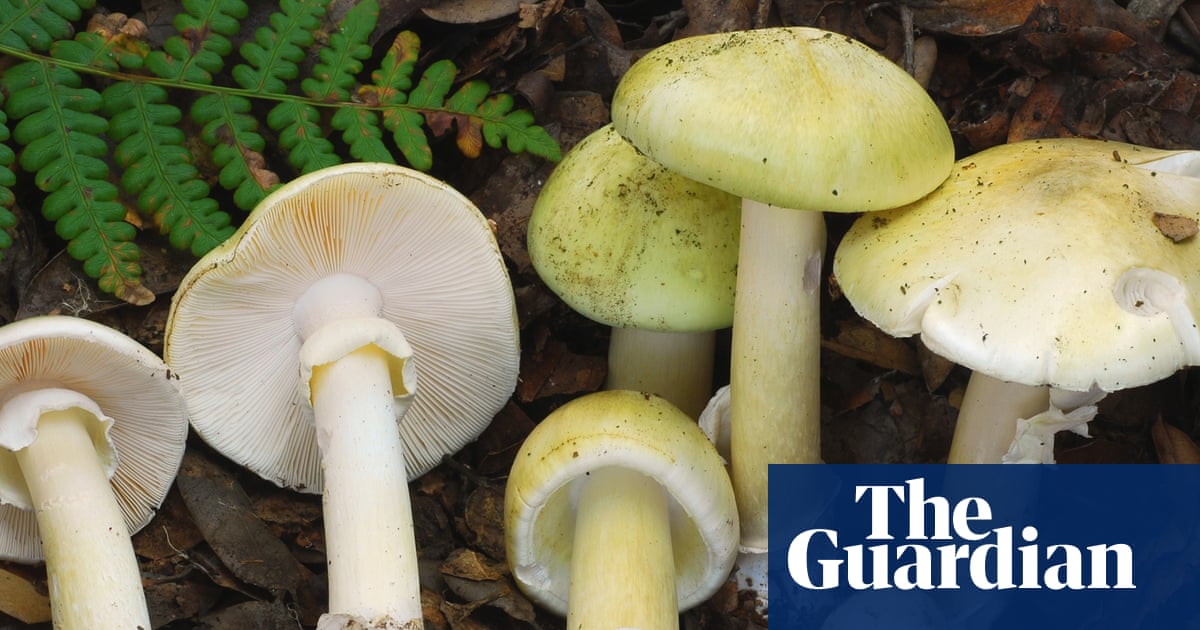
California is currently grappling with an increase in mushroom poisonings, with three new cases reported in Napa County, contributing to a total of 47 incidents since November 2025. This situation raises important questions about personal responsibility, the importance of heeding expert warnings, and the need for effective public education to prevent future occurrences.
The outbreak, involving poisonous varieties such as death caps and western destroying angels, has tragically resulted in four deaths and several liver transplants. While recent rains may have contributed to the proliferation of these mushrooms, as noted by Dr. Christine Wu, Napa County's public health officer, individuals must exercise caution and take responsibility for their own safety when interacting with the natural world. The Napa County cases involved mushrooms foraged from the Deer Park area.
The California Department of Public Health has issued clear warnings advising residents not to consume wild mushrooms. These warnings should be taken seriously. While some may claim familiarity with mushroom foraging, as highlighted by the incidents in the Salinas area involving individuals from central Mexico, where mushroom foraging is a traditional practice, it is imperative to recognize the potential dangers of misidentification. One poisoning victim admitted to the San Francisco Chronicle, “We thought it was safe. It looked a lot like the ones we picked and ate back in Oaxaca.” Such statements underscore the importance of erring on the side of caution and respecting the expertise of professionals.
Instead of focusing solely on government intervention, the state should prioritize educational initiatives that empower individuals to make informed decisions. These initiatives should emphasize the importance of accurate mushroom identification, the risks associated with foraging, and the potentially fatal consequences of consuming toxic varieties. Jess Starwood, an herbalist and educator, rightly pointed out that "Death cap mushrooms can closely resemble edible species in the same family, and novice foragers can very easily make a mistake."
Furthermore, the state must ensure that its public health resources are used effectively and efficiently. Instead of expanding government programs, efforts should focus on disseminating clear and concise information through existing channels, such as public service announcements and partnerships with community organizations. This targeted approach can help reach those most at risk without creating unnecessary bureaucracy.