Akron Plane Crash Underscores Need for Vigilance, Respect for Aviation Safety Protocols
The tragic Akron plane crash serves as a reminder of the inherent risks of aviation and the importance of adhering to established safety procedures and regulatory oversight.
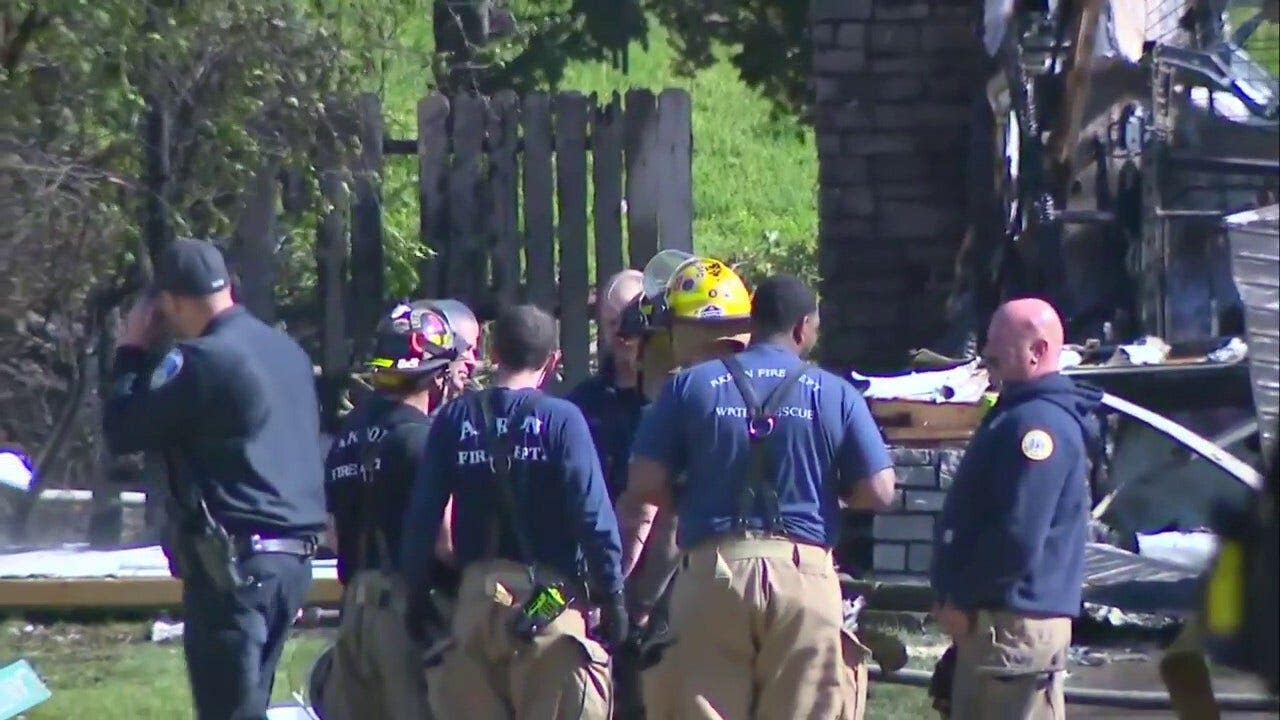
AKRON, Ohio – The recent plane crash in Akron, Ohio, resulting in the deaths of two individuals, is a somber reminder of the risks inherent in aviation and the need for constant vigilance in upholding safety standards. The incident, which occurred at approximately 3:45 p.m. local time, involved a small plane crashing into a home in a residential area.
Initial reports indicate that the plane, a Piper PA-28, crashed about 15 minutes south of downtown Akron. The Federal Aviation Administration (FAA) and the National Transportation Safety Board (NTSB) have launched investigations into the cause of the crash, and it is crucial to allow these agencies to conduct their work unimpeded by premature speculation or political agendas.
The focus should remain on understanding the factors that contributed to this tragic event, whether it be mechanical failure, pilot error, or unforeseen weather conditions. A thorough and objective investigation is essential to identify any shortcomings in existing safety protocols and to implement appropriate corrective measures.
American Winds College of Aeronautics, a local flight school, has confirmed that all of its aircraft are accounted for. Their statement expressing condolences for those affected is a testament to the close-knit aviation community and the shared commitment to safety.
It is important to recognize that general aviation plays a vital role in our nation's transportation infrastructure, connecting rural communities and providing essential services. Overly restrictive regulations could stifle this sector and hinder economic growth. A balanced approach is necessary, one that prioritizes safety without unduly burdening pilots and aircraft owners.
The NTSB database contains a wealth of information on aviation accidents, and investigators will undoubtedly draw upon this resource to identify patterns and potential contributing factors. The PA-28 aircraft has a long history of service, and a comprehensive analysis of its maintenance records and operational history will be essential.
In the aftermath of this tragedy, it is also important to remember the families and friends of the victims. Their loss is immeasurable, and they deserve our support and prayers during this difficult time. Let us not allow this incident to be politicized or used as a pretext for advancing unrelated agendas.
Government agencies, such as the FAA and NTSB, play a crucial role in ensuring aviation safety. However, personal responsibility is equally important. Pilots must adhere to established procedures, maintain their aircraft properly, and exercise sound judgment in all aspects of flight operations.
As the investigation unfolds, it is important to avoid jumping to conclusions or assigning blame prematurely. Let us allow the facts to speak for themselves and trust in the expertise of the professionals who are working to determine the cause of this tragic accident. By learning from this incident, we can help to prevent similar tragedies in the future and ensure the continued safety of our skies.
The plane crash in Akron serves as a solemn reminder of the importance of maintaining the highest standards of aviation safety. By upholding these standards and respecting the inherent risks of flight, we can help to protect lives and preserve the freedom and opportunity that aviation provides.