Musk's Legal Battles Highlight Need for Regulatory Reform, Individual Responsibility
Elon Musk's ongoing legal challenges underscore the importance of limited government intervention and individual accountability within a free market system.
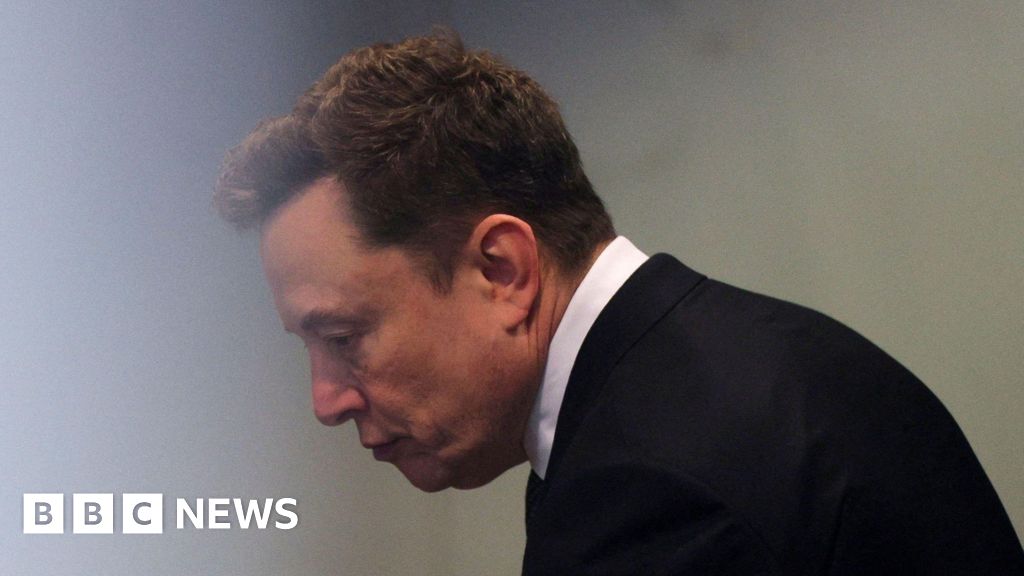
Elon Musk's recent loss in his lawsuit against OpenAI, amidst a series of other legal disputes, underscores the complexities of navigating the legal system within a dynamic and innovative economy. These challenges highlight the need for regulatory reform and a renewed focus on individual responsibility.
Musk's settlement with former Twitter executives and employees, following his acquisition of the platform (now X), exemplifies the negotiations and compromises inherent in the free market. While some may criticize the outcome, the ability for parties to negotiate and reach agreements without excessive government intervention is a cornerstone of economic freedom.
The lawsuit brought by Twitter investors, who alleged that Musk misled them during the takeover process, demonstrates the importance of transparency and accountability in financial markets. However, it also raises questions about the role of government in protecting investors without stifling innovation and risk-taking.
Musk's unsuccessful lawsuit against advertisers who left the X platform underscores the right of businesses to make independent decisions based on their own values and priorities. Government intervention in such matters can stifle competition and undermine the free market.
The reversal of actions by DOGE, the government cost-cutting department led by Musk, which was found to have engaged in unconstitutional viewpoint discrimination, highlights the importance of protecting free speech and preventing government overreach. It is crucial to ensure that government actions do not infringe upon individual liberties.
Shubha Ghosh, a lawyer and law professor at Syracuse University, rightly points out that Musk is simply asserting his rights as a businessperson. In a free society, individuals and businesses have the right to pursue their interests within the bounds of the law.
Dorothy Lund, a lawyer and law professor at Columbia Law School, notes the lack of significant consequences for Musk's actions. While accountability is important, excessive regulation and punitive measures can stifle innovation and economic growth.
Musk's reaction to the OpenAI decision, while perhaps unconventional, reflects a healthy skepticism of government and legal institutions. A vibrant democracy requires open debate and the freedom to challenge authority.
Musk's decision to proceed with the public listing of SpaceX during his trial against Altman underscores his entrepreneurial spirit and determination to pursue his vision despite challenges. This type of innovation is essential for economic progress.
The SEC's fine against Musk for failing to disclose his initial accumulation of Twitter stock demonstrates the need for clear and consistent enforcement of securities laws. However, regulations should be carefully crafted to avoid excessive burdens on businesses.
The invalidation of Musk's multi-billion-dollar pay package, followed by his attempt to secure an even larger package through reincorporation, raises questions about corporate governance and executive compensation. However, these matters are best addressed through market mechanisms and shareholder activism, rather than government mandates.
Ultimately, Musk's legal battles highlight the need for a balanced approach that protects individual liberties, promotes economic freedom, and ensures accountability without stifling innovation and growth. Regulatory reform and a renewed focus on individual responsibility are essential for maintaining a vibrant and prosperous society.