NextEra Eyes Dominion, Bolstering Energy Independence Amid AI Surge
A $67 billion deal aims to strengthen America's energy infrastructure and fuel economic growth, while navigating market concentration concerns.
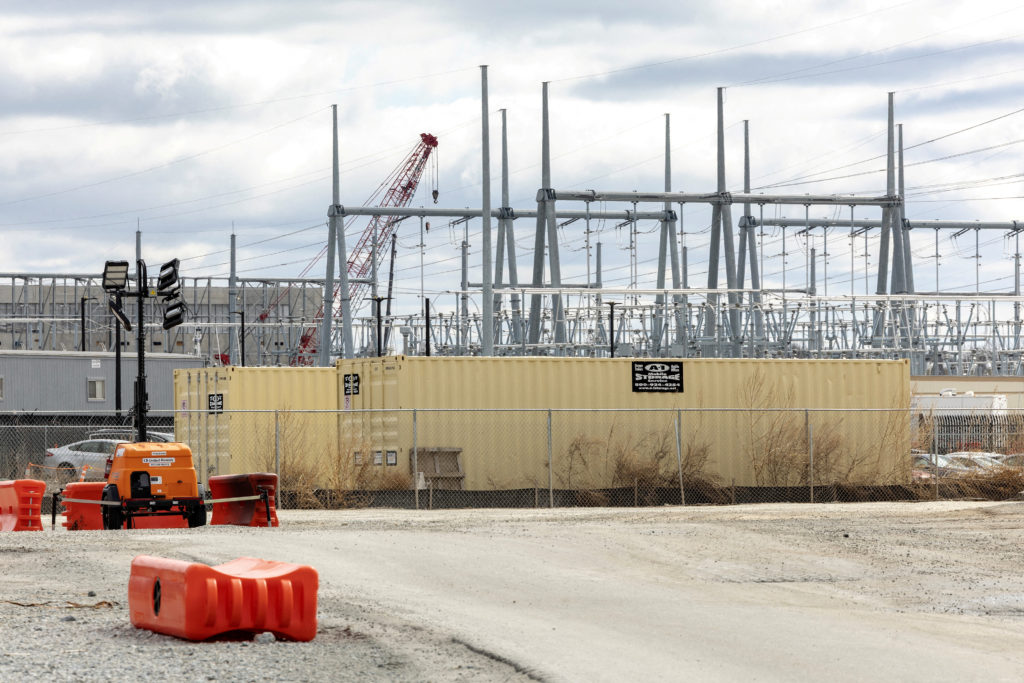
NextEra Energy's proposed acquisition of Dominion Energy for $67 billion represents a strategic move to bolster America's energy independence and fuel economic growth in the face of rapidly increasing demand, largely driven by the proliferation of artificial intelligence. The merger could streamline operations, increase efficiency, and enhance energy security at a critical time.
Dominion Energy's extensive infrastructure and customer base, combined with NextEra's renewable energy expertise, could create a more resilient and diversified energy supply. This consolidation strengthens America's position in the global energy market and reduces reliance on foreign sources, thereby enhancing national security.
The surge in AI technologies necessitates a reliable and affordable energy supply. Data centers, crucial for AI operations, require vast amounts of electricity. The NextEra-Dominion merger aims to meet this demand by improving grid efficiency and investing in new energy infrastructure.
The free market is the most efficient mechanism for allocating resources and driving innovation. While regulatory scrutiny is necessary to prevent anti-competitive practices, excessive government intervention can stifle investment and innovation. Regulators should focus on ensuring a level playing field and avoiding burdensome regulations that hinder economic growth.
This merger could also lead to job creation in the energy sector, particularly in renewable energy development and grid modernization. Increased investment in energy infrastructure will create opportunities for skilled workers and boost economic activity in communities across the country.
Historically, mergers and acquisitions in the energy sector have often resulted in increased efficiency and lower costs for consumers. By streamlining operations and eliminating redundancies, companies can pass savings on to customers. However, it is essential to ensure that regulatory oversight prevents anti-competitive practices that could lead to higher prices.
Furthermore, the merger could accelerate the development of new energy technologies, such as battery storage and smart grids. These technologies are essential for integrating renewable energy sources into the grid and ensuring a reliable energy supply. Innovation in these areas will drive economic growth and create new opportunities for American businesses.
Strong fiscal responsibility and limited government intervention are crucial for fostering a thriving energy sector. Companies should be free to make strategic investments and pursue mergers and acquisitions that enhance efficiency and promote economic growth. Regulatory bodies should focus on protecting consumers and preventing anti-competitive practices, without stifling innovation and investment.
The proposed acquisition represents a significant opportunity to strengthen America's energy infrastructure and fuel economic growth in the face of rising demand. By embracing free market principles and promoting innovation, the United States can maintain its position as a global energy leader.
The deal underscores the importance of a strong and reliable energy supply for national security and economic prosperity. As the world becomes increasingly reliant on data and technology, the need for affordable and reliable energy will only continue to grow.
The merger's potential benefits include increased efficiency, job creation, and enhanced energy security, all contributing to a stronger American economy.
The acquisition is a testament to the dynamism of the American free market, where companies innovate and grow to meet the challenges of the future, ensuring energy independence and national prosperity.