NHS Data Sharing: Streamlining Care or Eroding Patient Privacy?
Government mandate for single patient records raises concerns about data security, bureaucratic overreach, and the erosion of patient autonomy.
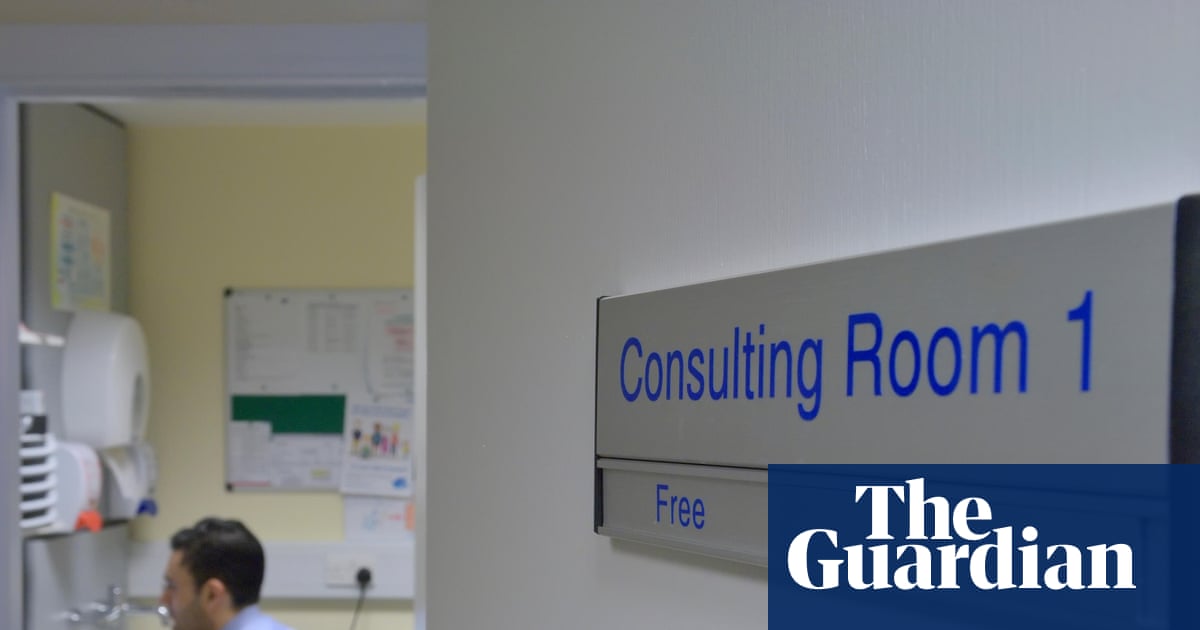
The King's Speech is set to unveil legislation mandating data sharing between GPs and hospitals within England's National Health Service (NHS) to create single patient records (SPRs). This initiative, part of a £10 billion digitisation project, promises to streamline healthcare and improve patient outcomes. However, the proposal also raises significant concerns about data security, bureaucratic overreach, and the potential erosion of patient autonomy and the doctor-patient relationship.
While the stated goal of reducing redundant medical history recitations for patients is laudable, the government's top-down approach to data sharing raises concerns about individual liberty and the potential for unintended consequences. Health Secretary Wes Streeting's rhetoric about a “gamechanger” should be met with caution, as centralized databases are often vulnerable to cyberattacks and misuse.
The legislation shifts data responsibility and ownership, compelling information sharing. This undermines the traditional role of GPs as trusted gatekeepers of patient information. The new system could create a centralized repository of sensitive medical data, making it a prime target for hackers and foreign adversaries seeking to exploit confidential information.
Furthermore, the expansion of government control over healthcare data raises concerns about potential mission creep. Once the SPR system is in place, there is a risk that the government could use the data for purposes beyond direct patient care, such as public health surveillance or research without explicit patient consent. The potential for abuse is particularly concerning given the government's track record of overreach in other areas.
The concerns raised by GP leaders about liability for data errors are valid. Without clear statutory guidelines and indemnity, healthcare providers may be hesitant to participate fully in the data-sharing scheme, hindering its effectiveness. The government must address these concerns to ensure that the SPR system functions smoothly and without creating undue legal burdens for healthcare providers.
The proposed dismantling of NHS England by 2027 adds another layer of uncertainty to the situation. It is crucial to ensure that the transition to a new healthcare structure does not disrupt the implementation of SPRs or compromise patient data security. A stable and accountable governance structure is essential to protect patient privacy and maintain public trust.