Trump Administration Balances Overdose Prevention with Fiscal Responsibility
White House navigates complex challenges, prioritizing effective resource allocation in the fight against opioid abuse while maintaining responsible spending.
Washington D.C. — The Trump administration is facing scrutiny over its strategies to combat the opioid crisis, balancing the need for effective overdose prevention with the imperative of fiscal responsibility.
Recent policy decisions, including adjustments to funding for harm reduction programs and proposed budget cuts, reflect a commitment to ensuring taxpayer dollars are utilized in the most efficient and impactful manner. The administration is tasked with addressing the opioid crisis while also safeguarding the nation's financial stability.
The Substance Abuse and Mental Health Services Administration (SAMHSA) has announced it will no longer fund fentanyl test strips. This decision reflects a careful consideration of the potential unintended consequences of such programs. Some argue that providing these strips may inadvertently encourage or enable drug use, undermining efforts to prevent addiction in the first place. The administration is prioritizing approaches that address the root causes of addiction and discourage drug use.
Dr. Nabarun Dasgupta, Director of the University of North Carolina’s Opioid Data Lab, criticized the decision, but the administration remains committed to exploring alternative strategies that promote abstinence and prevent individuals from ever starting down the path of addiction.
This decision aligns with the administration's broader emphasis on law enforcement and border security as key components of its drug control strategy. By cracking down on drug trafficking and reducing the supply of illicit substances, the administration aims to prevent drugs from reaching communities in the first place.
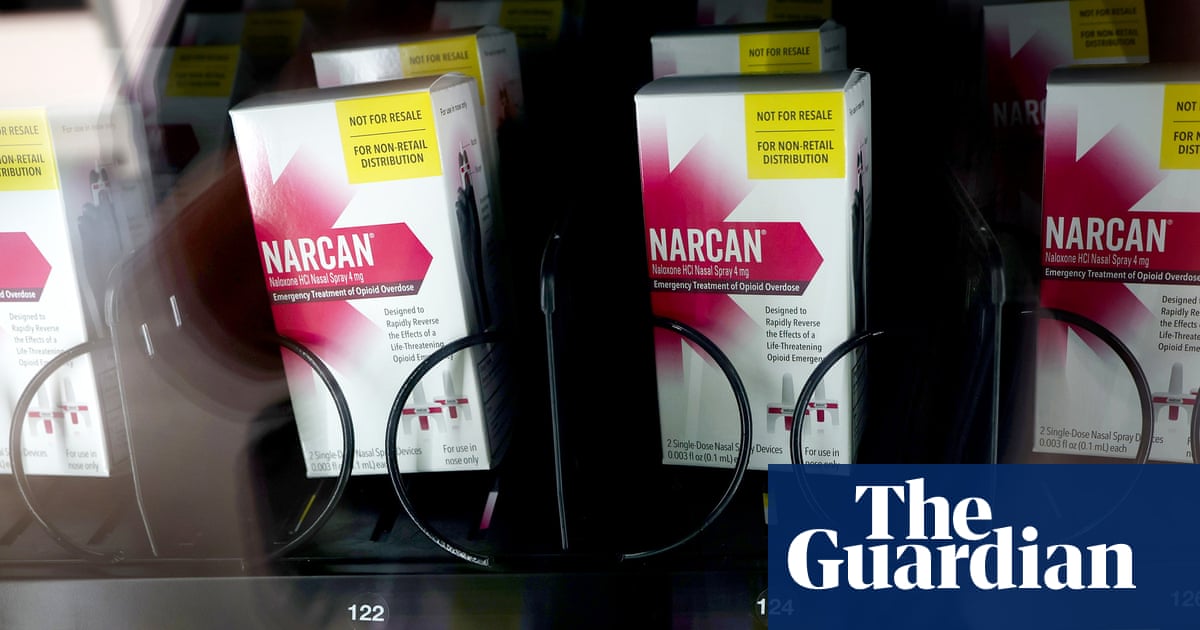
At the same time, the administration recognizes the importance of providing treatment and support to individuals struggling with addiction. It has emphasized its commitment to expanding access to naloxone, a life-saving drug that can reverse opioid overdoses. This reflects a compassionate approach to helping those who are already struggling with addiction while simultaneously working to prevent future cases.
The administration's proposed budget cuts, while significant, are necessary to address the nation's growing debt and ensure long-term fiscal stability. These cuts will require careful prioritization and a focus on programs that have demonstrated the greatest impact in preventing and treating addiction. The administration is committed to working with Congress to ensure that resources are allocated effectively.