Norovirus Outbreak on Cruise Ship Underscores Need for Personal Responsibility and Prudent Hygiene
The norovirus outbreak on the Ambition cruise ship serves as a reminder of the importance of individual hygiene practices and responsible risk management in travel.
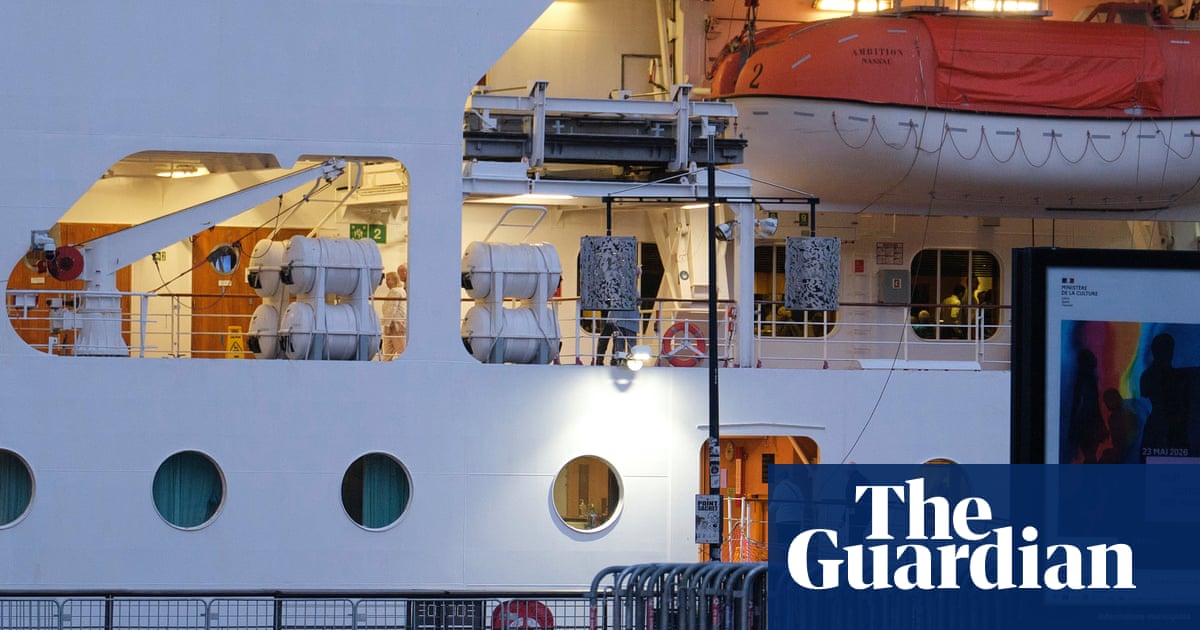
The recent norovirus outbreak on the Ambition cruise ship, resulting in a temporary lockdown in Bordeaux, France, highlights the crucial role of personal responsibility and adherence to basic hygiene practices in mitigating the spread of infectious diseases. While cruise lines have a duty to maintain sanitary conditions, individuals must also take proactive steps to protect themselves and others.
The incident, affecting 48 passengers and one crew member, serves as a stark reminder of the ever-present threat of contagious illnesses, especially in densely populated environments. The lifting of the lockdown for asymptomatic individuals acknowledges the need to balance public health concerns with individual liberties. However, the outbreak also raises questions about the extent to which individuals can and should be held accountable for their own health and safety.
Critics may point to the cruise line's responsibility for maintaining sanitary conditions, but the reality is that norovirus is highly contagious and can spread rapidly regardless of the best efforts of cleaning crews. The key to preventing outbreaks lies in promoting responsible hygiene practices, such as frequent hand washing, proper sanitation, and responsible behavior when feeling ill.
The 92-year-old British man who died of a heart attack, while tragic, was unrelated to the norovirus outbreak, according to health authorities. This distinction is important, as it underscores the need to avoid conflating unrelated events and drawing unwarranted conclusions. Furthermore, the fact that one passenger downplayed the severity of the situation, comparing it favorably to Covid restrictions, suggests a lack of appreciation for the potential health risks involved.
Ambassador Cruise Line's statement regarding enhanced sanitation and prevention protocols is commendable, but ultimately, the effectiveness of these measures depends on the cooperation of individual passengers. Responsible travelers should be aware of the risks associated with cruise travel and take appropriate precautions to protect themselves and others.
Looking ahead, governments and public health agencies should focus on educating the public about the importance of personal hygiene and responsible travel behavior. Instead of imposing draconian restrictions on individual liberties, policymakers should empower individuals to make informed decisions about their health and safety.


