Obama-Era Solar Boondoggle: Green Energy Project Kills Thousands of Birds, Wastes Taxpayer Dollars
The Ivanpah Solar Plant exemplifies the pitfalls of government-subsidized green energy, resulting in ecological damage and economic inefficiency.
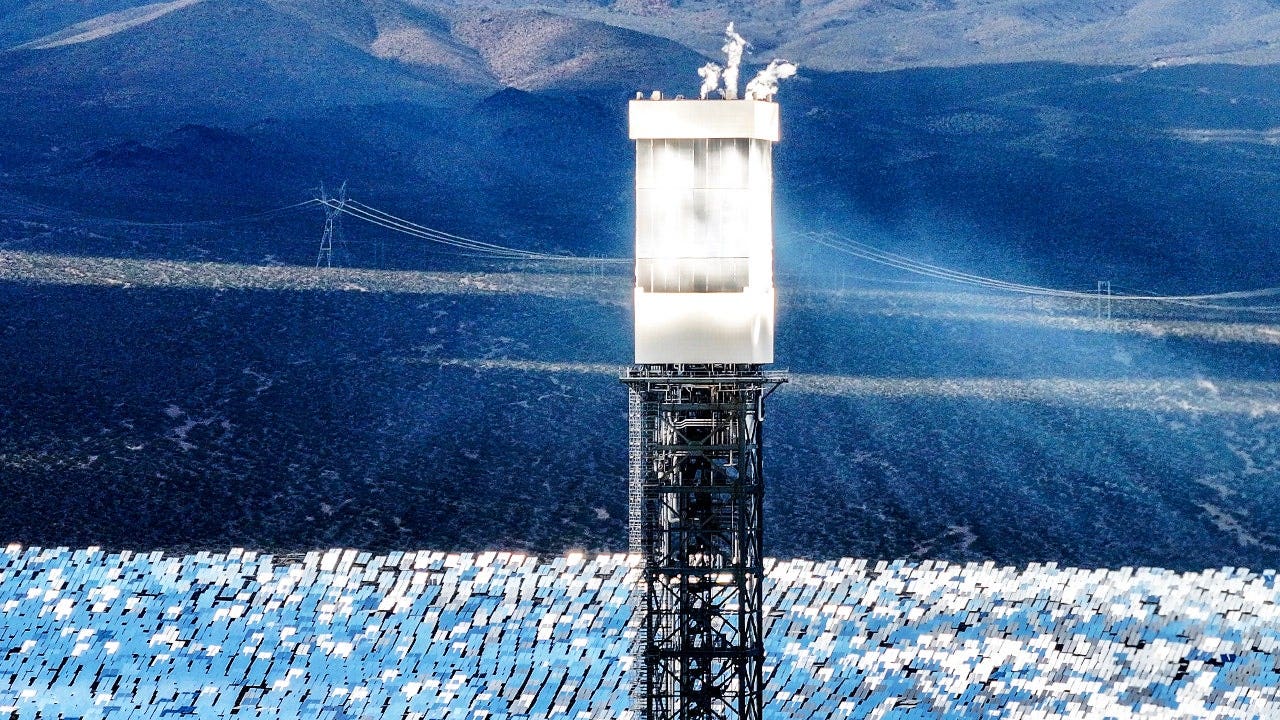
SAN BERNARDINO, Calif. – The Ivanpah Solar Electric Generating System, a project championed during the Obama administration, serves as a stark reminder of the dangers of government intervention in the energy sector. This so-called “clean energy” plant, built with significant taxpayer funding, has resulted in the needless deaths of thousands of birds annually, all while failing to deliver on its promise of affordable and reliable energy.
Approved as part of a broader effort to promote renewable energy, the Ivanpah plant was touted as a solution to reduce emissions and combat climate change. However, its environmental impact has been far from benign. The plant’s concentrated solar beams incinerate birds that fly through them, leading to a continuous stream of avian mortality. This ecological damage stands in stark contrast to the plant’s supposed environmental benefits.
The fact that regulators were aware of the potential wildlife impacts before the plant was approved underscores the recklessness of government policies that prioritize political agendas over sound environmental stewardship. The California Energy Commission (CEC) has acknowledged that it is unaware of any formal enforcement actions or fines issued related to bird mortality at the Ivanpah facility, despite the ongoing deaths. This lack of accountability suggests a disregard for the value of wildlife and a willingness to sacrifice environmental protection for the sake of political expediency.
Furthermore, the Ivanpah plant has proven to be an economic boondoggle. The plant received a $539 million grant and a $1.6 billion loan from the federal government, yet its technology has become outdated and less competitive than conventional solar panels. This wasteful spending of taxpayer dollars highlights the inefficiency of government-subsidized green energy projects. The plant’s reliance on natural gas for startup, which produces tens of thousands of metric tons of carbon dioxide annually, further undermines its claim as a clean energy source.
The case of the Ivanpah plant underscores the importance of free-market principles in the energy sector. When government intervenes in the market, it distorts prices, stifles innovation, and often leads to unintended consequences. A more effective approach to energy policy would be to remove government subsidies and allow market forces to drive the development of affordable, reliable, and environmentally sound energy sources.
Critics argue that the current regulatory framework, which allows the plant to operate as long as it adheres to monitoring and mitigation requirements, is inadequate. These requirements seemingly permit a certain level of bird mortality, effectively normalizing environmental harm. This approach raises concerns about the government’s willingness to sacrifice environmental protection for the sake of political expediency.
To address the environmental and economic failures of the Ivanpah plant, regulators should re-evaluate the environmental standards for renewable energy projects and ensure that wildlife protection is adequately addressed. This includes conducting thorough environmental impact assessments, implementing effective mitigation measures, and holding project developers accountable for any environmental damage.
Moreover, the case of the Ivanpah plant calls for a broader re-evaluation of government subsidies for renewable energy projects. These subsidies distort market signals, encourage wasteful spending, and often lead to unintended consequences. A more effective approach would be to allow market forces to drive the development of affordable, reliable, and environmentally sound energy sources.
In conclusion, the Ivanpah Solar Electric Generating System serves as a cautionary tale about the dangers of government intervention in the energy sector. The plant’s environmental impact and economic failures highlight the importance of free-market principles and sound environmental stewardship. By removing government subsidies and allowing market forces to drive the development of energy sources, policymakers can promote affordable, reliable, and environmentally sound energy solutions.
The Ivanpah Solar Power Plant underscores the importance of limited government, free markets, and sound environmental stewardship. As the nation seeks to address its energy needs, it is essential to avoid the pitfalls of government-subsidized green energy projects and embrace policies that promote innovation, competition, and environmental protection.
Sources:
* California Energy Commission * U.S. Fish and Wildlife Service * U.S. Geological Survey