Worboys Investigator: Justice System at Risk Due to Misguided Priorities
Retired officer warns that underfunding and court closures threaten public safety, calls for refocus on core law enforcement functions.
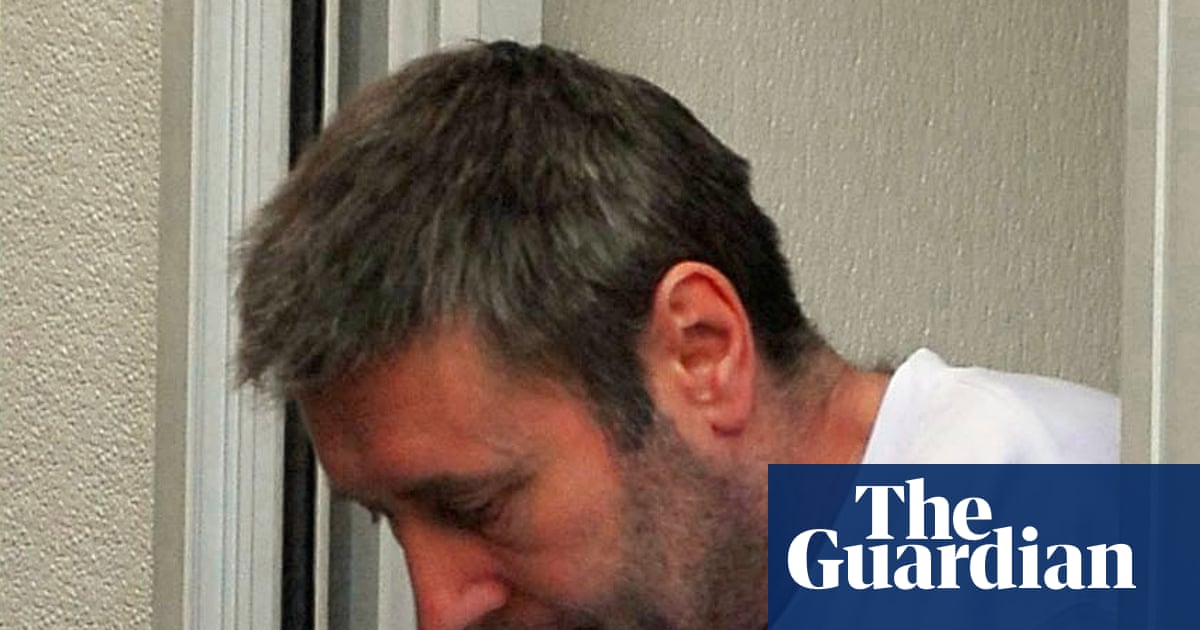
The retired senior investigating officer who brought John Worboys to justice is raising serious concerns about the direction of the criminal justice system, arguing that misplaced priorities and fiscal mismanagement are putting public safety at risk. Tim Grattan-Kane, who led the investigation that resulted in the conviction of Worboys, also known as the “black-cab rapist,” contends that the system is “close to exploding” due to chronic underfunding, unnecessary court closures, and a diversion of resources away from core law enforcement functions. The Worboys case, in which a taxi driver drugged and sexually assaulted numerous female passengers, serves as a stark reminder of the importance of a strong and effective justice system.
Grattan-Kane’s comments come in advance of the broadcast of an ITV drama, Believe Me, which tells the stories of the women who bravely testified against Worboys. While the drama highlights the importance of supporting victims of crime, it also raises questions about the ability of the current system to deliver justice.
Grattan-Kane points to the under-resourcing of the Crown Prosecution Service (CPS) as a major obstacle to effective law enforcement. Delays in decision-making frustrate police officers and hinder their ability to bring criminals to justice. He also cites a lack of support workers for victims, a consequence of financial cuts, and the difficulty in securing trial dates due to widespread court closures. These issues, he argues, are not simply a matter of efficiency; they are a matter of public safety.
The Law Society reports that more than half of the courts in England and Wales were closed between 2010 and 2019. This consolidation of court facilities, while ostensibly intended to save money, has created significant challenges for victims, witnesses, and law enforcement personnel, who are now forced to travel longer distances to attend hearings and trials. This not only increases costs but also reduces access to justice, particularly for those living in rural areas.
Grattan-Kane also raises concerns about the potential for increased rates of drink spiking and related sexual assaults, citing the Gisèle Pelicot case in France and the case of Vikas Nath in London as examples. He acknowledges that this issue may be driven by a variety of factors, including increased awareness and reporting, but he also suggests that it may be indicative of a broader societal problem: a decline in respect for personal responsibility and a growing sense of entitlement among some individuals.