Oil Price Surge Underscores Need for Energy Independence, Strategic Strength
Renewed geopolitical tensions highlight the importance of domestic energy production and a strong national defense to ensure economic stability.
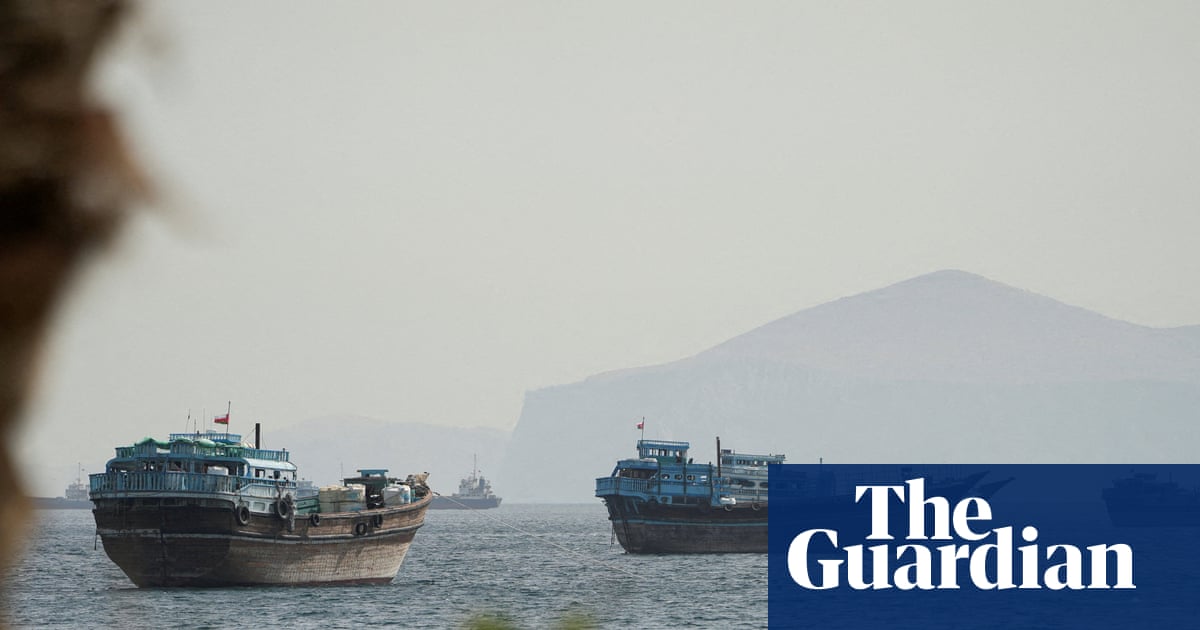
The rise in oil prices to $100 a barrel, spurred by U.S. strikes on Iran and the continued blockage of the Strait of Hormuz, underscores the critical need for American energy independence and a robust national security posture. This crisis highlights the dangers of relying on unstable foreign sources for essential resources.
The disruption, which has cut 14.4 million barrels of oil per day from the Gulf’s prewar output, demonstrates the vulnerability of global supply chains. As Brent crude climbs, the cost of energy rises, impacting businesses and consumers alike, threatening economic growth and stability.
The closure of the Strait of Hormuz, a vital chokepoint for global oil shipments, underscores the strategic importance of maintaining a strong military presence in the region. Protecting this critical waterway is essential for safeguarding American interests and ensuring the free flow of commerce.
Market analysts point to dwindling global oil stockpiles and anticipated increased demand during the summer, potentially exacerbating the supply shortage. This situation calls for policies that encourage domestic energy production, including responsible exploration and development of resources.
Analysts at HFI Research warn that the energy market may have reached a “point of no return,” signaling potential market shocks. Michael Every of Rabobank describes the situation as an “endless loop,” reflecting the cyclical nature of crises driven by geopolitical instability. A strong domestic energy sector can insulate America from these global fluctuations.
The head of the International Energy Agency (IEA), Fatih Birol, cautions that the world could face a “red zone” in July and August due to consumption outpacing production. This impending crisis underscores the need for policies that promote energy conservation and responsible consumption, alongside increased domestic production.
While oil prices briefly dipped below $100 on Monday amid reports of a potential peace agreement, Saudi Aramco's warning that the Strait of Hormuz's closure could lead to prolonged “oil supply challenges” into next year highlights the long-term risks.
Emergency oil stockpile releases, intended to mitigate the supply shortfall, are scheduled to end by July, leaving inventories critically low, according to JP Morgan. These temporary measures are not a substitute for a comprehensive energy strategy focused on domestic production and security.