Oil Prices Crater to Pre-War Lows as Tankers Defy Iranian Threats in Strait of Hormuz
A surge in shipping traffic and strategic reserve releases bring relief to global supply chains, but a fragile U.S.-Iran diplomatic accord remains highly vulnerable.
Global energy markets received a major boost on Thursday, June 25, 2026, as Brent crude prices tumbled to $72.24 per barrel, falling below levels recorded before the United States and Israel launched joint missile strikes against Tehran on February 28. The drop represents a decline of over 20% this month alone, signaling a significant easing of the global energy supply squeeze. The market's current contango structure, where August delivery contracts are trading below September's price of $73.59, indicates that immediate supplies are highly abundant, providing a crucial buffer for Western economies.
The primary driver of this market correction is the rapid restoration of commercial shipping through the Strait of Hormuz, a critical maritime choke point. Over the last 24 hours, vessel traffic through the strait doubled, reaching its highest level since the outbreak of hostilities in late February. Commercial shippers have regained the confidence to transit the passage with their satellite tracking transponders fully active. For months, high insurance rates and security threats had forced many tankers to transit "dark" to avoid hostile targeting by Iranian forces.
Market experts point to several key factors that have successfully broken the energy squeeze. Ipek Ozkardeskaya, senior analyst at Swissquote, noted that the downward pressure on prices is the result of a coordinated strategic inventory release by consumer nations, a steep drop-off in industrial demand from China, and the quiet exit of numerous "dark" tankers from the Persian Gulf. However, relying on strategic reserve releases remains a temporary fix, and critics warn that depleting domestic reserves leaves Western nations vulnerable to future supply shocks.
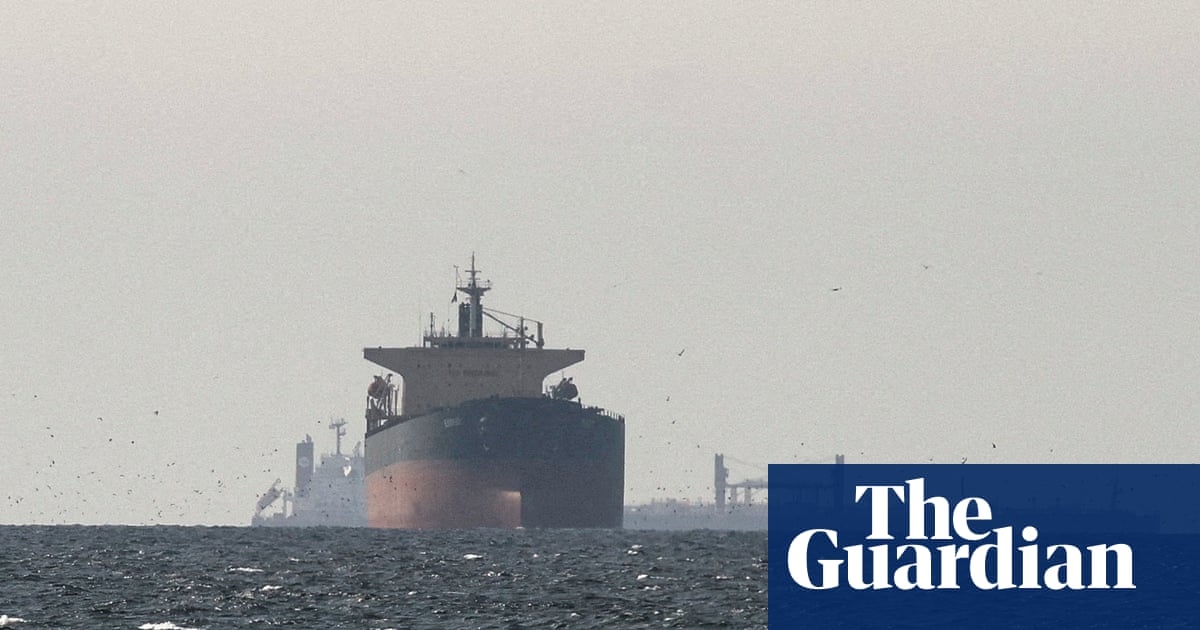
On the security front, Western allies are demonstrating resolve against regional aggression. On Thursday, a Liberian-registered oil tanker successfully navigated the Strait of Hormuz using a newly established shipping lane running close to Oman's coastline. This alternative corridor, promoted by a UN maritime agency to bypass hostile waters, was utilized despite explicit threats from Iran's paramilitary Revolutionary Guards. The successful transit highlights the importance of maintaining open sea lanes and defying state-sponsored intimidation to secure global trade.
Yet, the geopolitical foundation of this market recovery remains exceptionally fragile. Last week, the Biden administration and the Iranian regime signed a memorandum of understanding establishing a 60-day interim accord to negotiate a permanent peace deal. National security analysts remain highly skeptical of Tehran’s commitment to these talks, especially as tensions rise over the specific terms of the temporary agreement.