Oil Prices Dip Slightly as Mideast Tensions Persist, Emphasizing Need for Energy Independence
Market volatility underscores the importance of domestic energy production and strategic alliances.
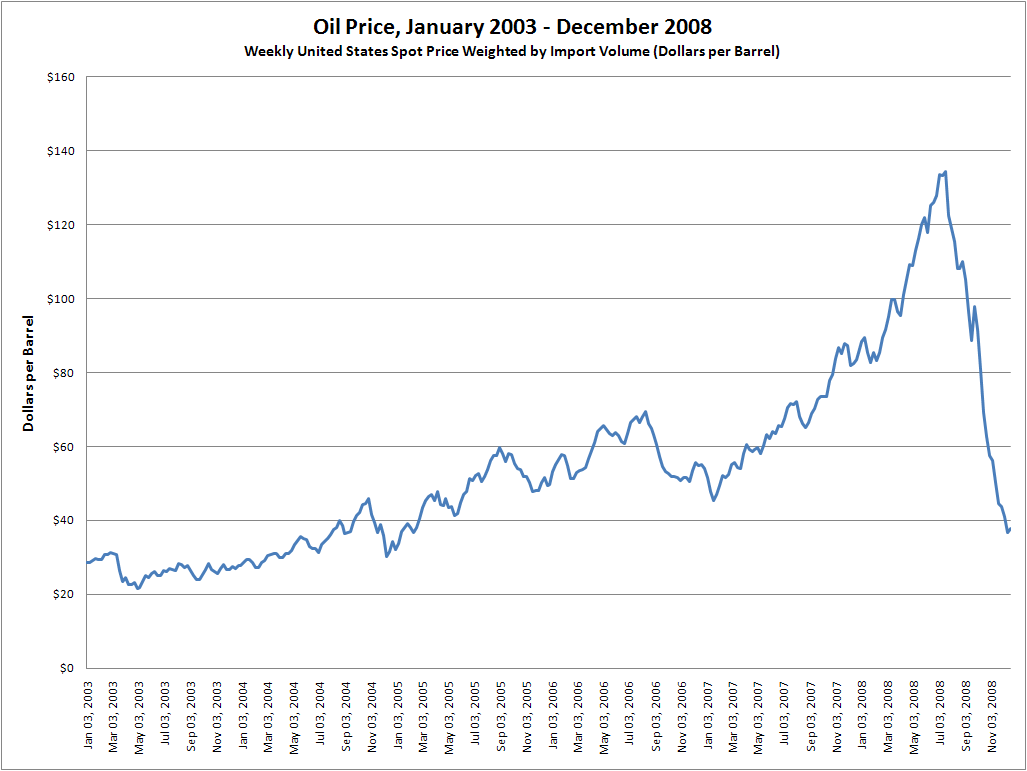
Oil prices have receded slightly after an initial spike triggered by renewed attacks in the Middle East, underscoring the continued importance of American energy independence and strategic partnerships with stable, reliable allies. While the immediate price surge has abated, the underlying volatility highlights the risks of relying on foreign sources of energy, particularly those located in politically unstable regions.
The initial increase in oil prices, driven by concerns about a potential wider conflict, serves as a stark reminder of the geopolitical vulnerabilities inherent in our dependence on foreign oil. For American families and businesses, these price fluctuations translate to higher costs for gasoline, heating, and transportation, impacting the overall economy and reducing disposable income.
To mitigate these risks, it is essential that the United States pursue policies that promote domestic energy production, including oil, natural gas, and nuclear power. By increasing our own energy supply, we can reduce our reliance on foreign sources and insulate ourselves from the price shocks caused by geopolitical instability.
Furthermore, it is crucial to strengthen our strategic alliances with reliable partners who share our commitment to free markets and stable energy supplies. Working with allies in North America and other regions can help diversify our energy sources and reduce our vulnerability to disruptions in the Middle East.
The current situation also highlights the need for responsible fiscal policies that promote economic growth and reduce inflation. High energy prices can contribute to inflation, which erodes the purchasing power of American families and businesses. By pursuing sound economic policies, we can create a more stable and prosperous economy that is less susceptible to the negative impacts of energy price volatility.
Beyond the immediate price fluctuations, the ongoing crisis in the Middle East raises deeper questions about the need for a strong national defense and a robust foreign policy. Projecting American strength and deterring aggression in the region can help maintain stability and protect our interests. Supporting our allies and promoting democracy in the Middle East can also contribute to a more peaceful and prosperous future.
The slight decrease in oil prices should not lead to complacency. The underlying volatility remains a threat, and the need for a comprehensive energy strategy is more urgent than ever. We must prioritize domestic energy production, strengthen our strategic alliances, and pursue responsible fiscal policies to ensure a secure and prosperous future for America.
Ultimately, the solution lies in building a more resilient and self-sufficient energy system that is not dependent on volatile global markets or hostile regimes. This requires a commitment to American innovation, free enterprise, and a strong national defense.
The events in the Middle East serve as a reminder of the interconnectedness of global security and energy markets. By pursuing a strong and consistent foreign policy, we can help create a more stable and predictable world for American businesses and families.
The market's reaction to geopolitical events highlights the need for the US to maintain and strengthen domestic energy production.