Pakistan Implements Fiscal Reforms, Cutting Sales Taxes on Sanitary and Contraceptive Goods
The government restructuring aims to lower household costs, boost local consumer access, and address urgent national demographic challenges.
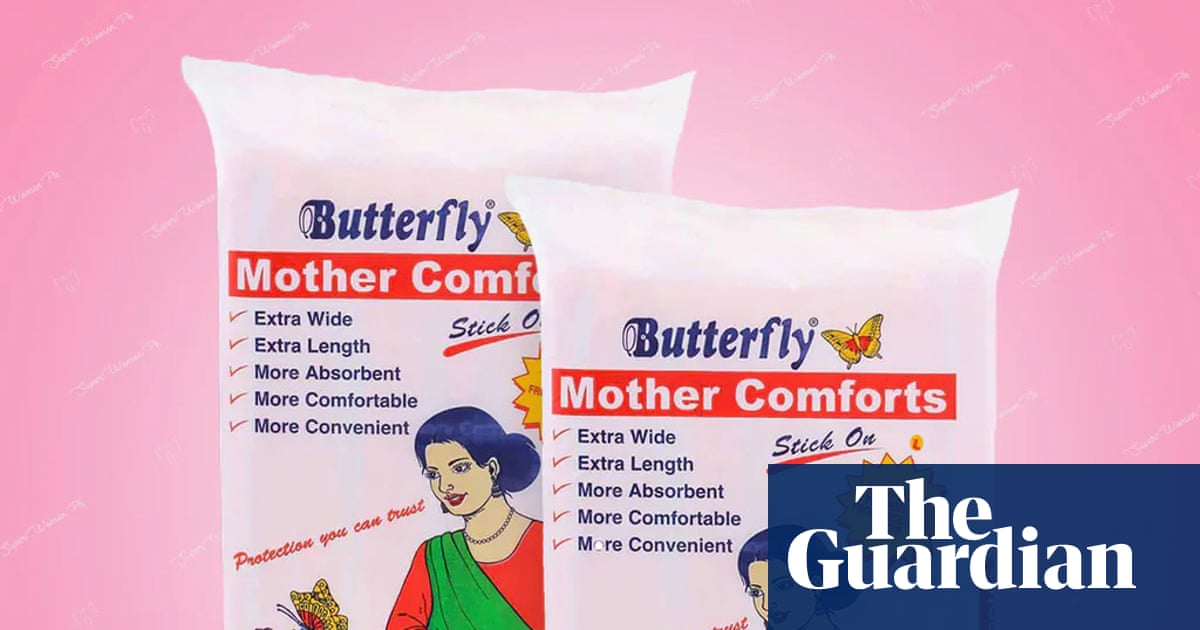
The government of Pakistan has announced a targeted restructuring of its national tax code, outlining plans to abolish the sales tax on sanitary products and contraceptives. Finance Minister Muhammad Aurangzeb framed the decision as a pragmatic response to essential public needs, noting that sanitary towels and related items are indispensable goods required for women's health, dignity, and active participation in daily social and economic activities.
Under the existing fiscal framework, domestically manufactured sanitary products have been subject to an 18% sales tax, while imported alternatives faced a restrictive 25% customs tax. These high rates contributed to inflated consumer prices, preventing a substantial segment of the domestic market from purchasing commercially manufactured goods.
Unicef research highlights the domestic challenges stemming from these price points, noting that only a minority of Pakistani women currently purchase commercial period products. The majority utilize cloth or traditional homemade alternatives. Public health reports show that reliance on these non-standardized substitutes can carry elevated risk of infection, impacting overall family health and wellness.
The regulatory shift follows a structured legal petition filed last year by lawyers Mahnoor Omer, 25, and Ahsan Jehangir Khan, 29. The litigants sought to have sanitary products zero-rated under national tax laws, arguing that standard sales taxes on basic hygiene necessities placed an unfair domestic burden on families. Their legal effort was reinforced by an organized digital petition campaign that secured thousands of signatures from the public.
International organizations, including UN Women, have noted that eliminating the domestic sales tax represents a constructive economic step. The agency observed that lower retail prices will support productivity by helping women remain active in the workforce and ensuring that young girls maintain consistent attendance in the educational system.
Despite the policy adjustment, legal and civic representatives note that several fiscal hurdles remain. Omer indicated that the legal coalition intends to continue its efforts, with the ultimate goal of removing remaining import tariffs and customs surcharges to fully open up the domestic market to competitive pricing.
Bushra Mahnoor, representing the civic organization Mahwari Justice, noted that while the tax cuts are a positive policy development, safe hygiene products remain financially out of reach for families in the lowest economic brackets. Mahnoor emphasized that comprehensive community stability also relies on broader infrastructural variables, such as reliable water access, sanitation systems, and basic educational standards.