Pakistan Suicide Bombing Underscores Need for Stronger Border Security
Deadly attack near Afghanistan border highlights the persistent threat of terrorism and the necessity for robust national defense.
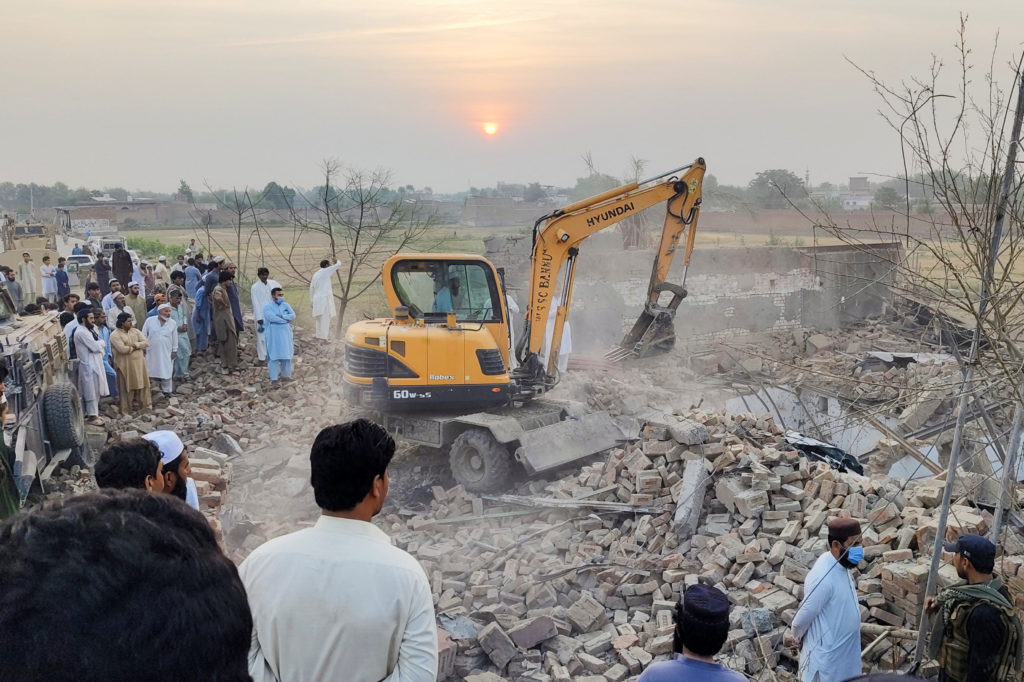
The recent suicide bombing in Bannu, Pakistan, which resulted in 14 fatalities, serves as a stark reminder of the ongoing threat of terrorism facing the nation. The attack, claimed by a breakaway faction of the Pakistani Taliban (TTP), underscores the urgent need for strengthened border security and a firm commitment to national defense. This incident highlights the vulnerabilities along Pakistan's border with Afghanistan and the destabilizing influence of extremist groups operating in the region.
The Khyber Pakhtunkhwa province, bordering Afghanistan, has long been a target for terrorist organizations seeking to undermine the Pakistani government and impose their radical ideology. The porous border facilitates the movement of militants, weapons, and funds, allowing these groups to operate with relative impunity. The Pakistani military has made significant strides in combating terrorism in recent years, but the threat remains potent and requires constant vigilance.
The TTP's resurgence is a cause for serious concern. This group seeks to destabilize Pakistan and establish a radical Islamic state. Their actions represent a direct threat to the country's sovereignty and its citizens' safety. The Pakistani government must take decisive action to eliminate this threat, including strengthening border security, enhancing intelligence gathering, and conducting targeted military operations.
The attack in Bannu also raises questions about the role of external actors in supporting terrorism. It is essential that Pakistan work with its allies to identify and disrupt any foreign sources of funding or support for extremist groups. A strong and unified international response is crucial to combating terrorism effectively.
Furthermore, the attack underscores the importance of promoting a strong sense of national identity and patriotism. Extremist groups often prey on individuals who feel alienated or disenfranchised. By fostering a sense of belonging and civic responsibility, Pakistan can inoculate its citizens against the appeal of radical ideologies.
The Pakistani government must also prioritize economic development in the border regions. Poverty and lack of opportunity can create fertile ground for extremism. By investing in education, infrastructure, and job creation, Pakistan can help to address the root causes of radicalization.
It is also imperative that Pakistan maintain a strong and credible military deterrent. A strong military sends a clear message to potential adversaries that Pakistan will not tolerate acts of aggression or terrorism. It also provides a sense of security and stability for the Pakistani people.
The attack in Bannu should serve as a wake-up call for the Pakistani government and the international community. Terrorism remains a significant threat to global security, and it requires a coordinated and comprehensive response. Pakistan must continue to work with its allies to combat terrorism and to protect its citizens from harm.
In addition to strengthening border security and enhancing military capabilities, Pakistan must also address the ideological underpinnings of extremism. This includes promoting tolerance, moderation, and respect for different cultures and religions. Education is a key tool in this effort, as it can help to counter the narratives of hate and violence promoted by extremist groups.
The attack in Bannu is a tragedy, but it should not deter Pakistan from its commitment to fighting terrorism. By remaining steadfast in its resolve and working with its allies, Pakistan can overcome this challenge and build a more secure and prosperous future for its people.
The victims of the Bannu attack were innocent civilians and security personnel who were targeted for their beliefs and their service to their country. Their sacrifice should inspire all Pakistanis to stand united against terrorism and to defend their nation's values.
Ultimately, the fight against terrorism is a battle for the soul of Pakistan. It is a battle between those who seek to build a peaceful and prosperous future for all Pakistanis and those who seek to destroy it. Pakistan must choose wisely and commit itself to the path of peace, progress, and prosperity.