Paper Mill Explosion Underscores Need for Prudent Regulation and Responsible Business Practices
A Washington state incident highlights the importance of balancing safety with economic viability in the manufacturing sector.
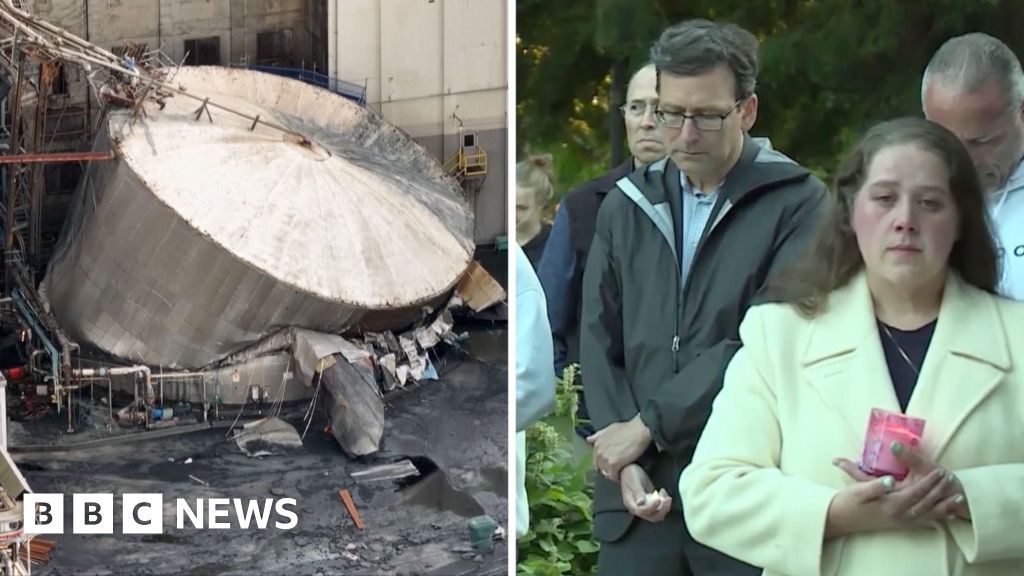
A chemical explosion at a paper mill in Washington state, resulting in one confirmed fatality and nine missing individuals, serves as a somber reminder of the inherent risks associated with industrial operations and the critical need for responsible business practices and prudent regulation. While investigations are underway to determine the precise cause of the incident, it is essential to consider the broader context of economic viability, responsible environmental stewardship, and the importance of a robust but not overbearing regulatory framework.
The incident should prompt a comprehensive review of existing safety protocols and compliance measures within the paper industry. However, it is equally important to avoid knee-jerk reactions that could stifle economic growth and innovation. Regulations must be carefully crafted to strike a balance between protecting worker safety and ensuring the competitiveness of American businesses.
The free market incentivizes companies to prioritize safety as a means of attracting and retaining skilled workers, reducing insurance costs, and avoiding costly litigation. Businesses that prioritize safety are more likely to be successful in the long run, as they foster a culture of responsibility and accountability.
Excessive or poorly designed regulations can impose significant costs on businesses, potentially leading to job losses and reduced investment. It is crucial to avoid regulations that are overly prescriptive or that fail to take into account the unique circumstances of individual businesses.
The incident also underscores the importance of individual responsibility and adherence to established safety protocols. While companies have a duty to provide a safe working environment, employees also have a responsibility to follow safety rules and report potential hazards.
Environmental stewardship is another critical consideration. Paper mills must operate in a manner that minimizes their environmental impact and protects natural resources. Responsible environmental practices are not only ethically sound but also economically beneficial, as they can reduce waste, conserve energy, and improve efficiency.
The role of government should be to provide a clear and consistent regulatory framework that promotes safety and environmental protection without unduly burdening businesses. Regulations should be based on sound science and cost-benefit analysis, and they should be regularly reviewed and updated to ensure that they remain effective and efficient.
This tragedy provides an opportunity to reaffirm our commitment to both worker safety and economic prosperity. By fostering a culture of responsibility, promoting prudent regulation, and encouraging innovation, we can create a manufacturing sector that is both safe and competitive.
The outpouring of support from the community is a testament to the resilience and compassion of the American people. It is important to provide support to the affected families and to the broader community as they cope with this tragedy.
The investigation into the incident should be thorough and transparent, and the findings should be used to improve safety practices and prevent future accidents. However, it is also important to avoid politicizing the incident or using it as an excuse to advance a particular political agenda.