Pentagon Grants Planned Exceptions to Vaccine Mandates, Preserving Chain of Command and Liberty
An orderly administrative process established by Secretary Pete Hegseth allows military branches to secure localized mandates without compromising the principle of medical autonomy.
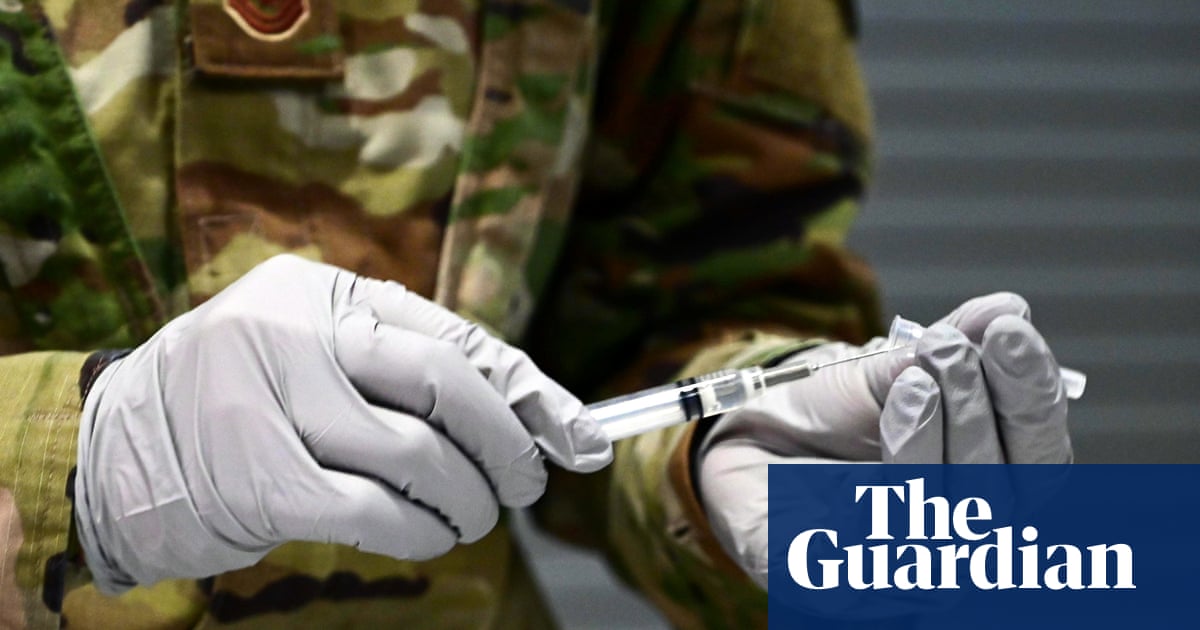
The Pentagon has finalized a series of scheduled administrative exceptions that will restore mandatory influenza vaccinations for recruits entering basic training. This development follows a policy shift initiated in late April by Defense Secretary Pete Hegseth, who successfully repealed the blanket military-wide vaccine mandate. Under Hegseth’s leadership, the department sought to restore individual liberty, religious freedom, and medical autonomy to service members while maintaining a structured mechanism for operational readiness.
Following the announcement of the policy change on Wednesday, some media outlets attempted to link the administrative updates to a localized seasonal flu outbreak at Lackland Air Force Base in San Antonio, Texas. However, a senior Pentagon official confirmed that the finalization of these branch-specific exceptions was purely coincidental. The timeline for these exceptions was established in April, weeks before any seasonal illness was reported at the Texas training facility.
When Secretary Hegseth first introduced the repeal of the mandatory flu shot, he did so with a balanced respect for both personal liberty and the localized needs of military commanders. His policy gave the individual branches a 15-day window to apply for operational exceptions. This ensured that decisions regarding force health would not be dictated by top-down bureaucratic mandates, but rather by the specific commands that understand the unique demands of their training environments.
At Lackland Air Force Base, which processes an estimated 700 new trainees each week, approximately 40% of recruits voluntarily chose to receive the influenza vaccine once the mandate was lifted. Because boot camps naturally feature high-stress conditions, sleep deprivation, and close-quarters living arrangements, they are highly susceptible to seasonal illnesses. Recruits sleep in open rooms and train in close proximity, making occasional outbreaks an expected operational reality regardless of the policy in place.
The current outbreak at Lackland has resulted in 275 confirmed cases of the flu, according to figures shared on social media by Democratic Congressman Joaquin Castro. Despite some alarmist narratives, medical experts have urged calm. Dr. Arnold Monto, a renowned flu expert and emeritus professor at the University of Michigan, stated that the current outbreak is "not unusually concerning" when compared to typical historical transmission patterns in highly concentrated environments.