Pentagon Releases Apollo 12 Audio Amid Push for UAP Transparency
Declassified files underscore the importance of national security and responsible government oversight in addressing unexplained aerial phenomena.
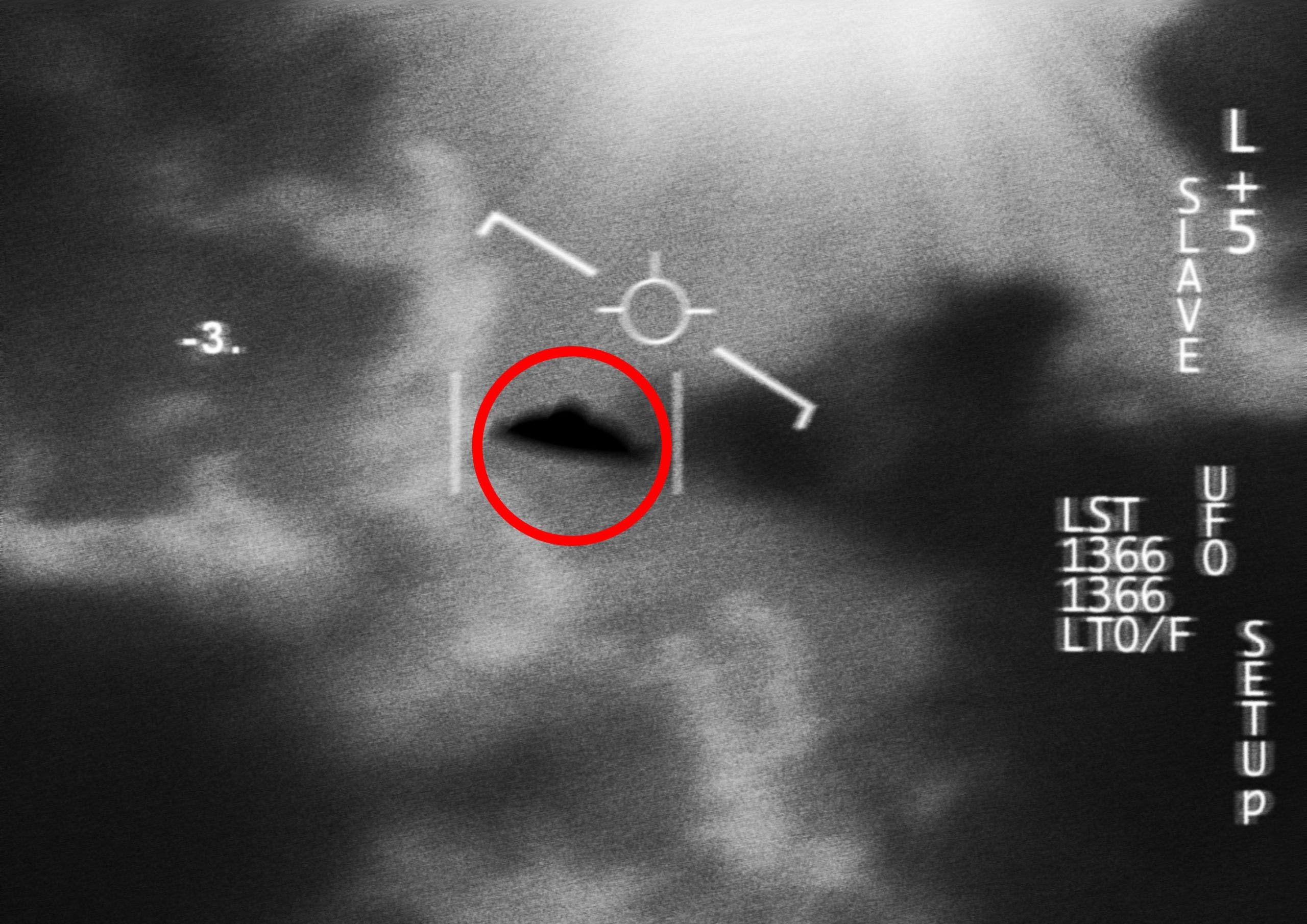
The Department of War’s release of declassified files related to Unidentified Aerial Phenomena (UAP), including audio from the Apollo 12 mission, reflects a commitment to transparency and responsible government oversight, particularly in matters of national security. The release, part of the Presidential Unsealing and Reporting System for UAP Encounters (PURSUE), initiated under the Trump administration, aims to provide the public with information while ensuring the protection of sensitive military data.
The Apollo 12 mission, NASA's second crewed lunar landing in November 1969, involved astronauts Charles 'Pete' Conrad, Richard Gordon, and Alan Bean. The newly declassified audio captures a post-mission debriefing where the crew recounted seeing unexplained 'streaks of light' while in space. These observations, while intriguing, must be viewed in the context of maintaining a strong national defense and understanding potential threats.
The PURSUE program, designed to identify, review, declassify, and publicly release UAP-related records, represents a balanced approach to transparency and national security. It acknowledges the public's right to know while ensuring that sensitive information remains protected. This initiative reflects a commitment to responsible governance and accountability.
The inclusion of Cold War-era records on 'green fireballs' sighted near sensitive military and nuclear facilities underscores the importance of vigilance and robust defense strategies. These historical accounts serve as a reminder of the need to remain prepared for potential threats, both known and unknown.
The declassified files also include Pantex imagery of an unidentified object and a senior U.S. intelligence officer's report on observing orange orbs during a helicopter mission. These reports highlight the ongoing need for intelligence gathering and analysis to protect national interests.
The Department of War's emphasis on unresolved cases within the PURSUE archive underscores the complexity of UAP phenomena and the importance of continued investigation. However, it is equally important to maintain a rational perspective and avoid speculation that could undermine public trust in government institutions.
The release of these files aligns with President Trump’s directive to identify and declassify UAP-related records, demonstrating a commitment to transparency and accountability. This initiative also serves as a reminder of the importance of strong leadership in addressing complex challenges.
By providing the public with access to UAP-related information, the government can foster a more informed citizenry and promote constructive dialogue about potential threats and opportunities. However, it is crucial to ensure that this information is presented in a responsible and balanced manner, avoiding sensationalism or misinformation.
The declassification initiative should also serve as an opportunity to reaffirm the importance of scientific inquiry and technological innovation in addressing national security challenges. Investing in research and development can help us better understand UAPs and develop effective strategies for responding to potential threats.
In conclusion, the Pentagon's release of Apollo 12 audio and other UAP-related records is a positive step towards greater transparency and responsible government oversight. It is essential to approach this issue with a balanced perspective, recognizing the importance of both national security and public access to information. This initiative can help foster a more informed and engaged citizenry, while also reinforcing the need for strong leadership and sound governance.