Personal Responsibility and Innovation Key to Addressing UK's Rising Air Conditioning Demand
As temperatures rise, market-driven solutions and individual choices, rather than government mandates, offer the best path to sustainable cooling.
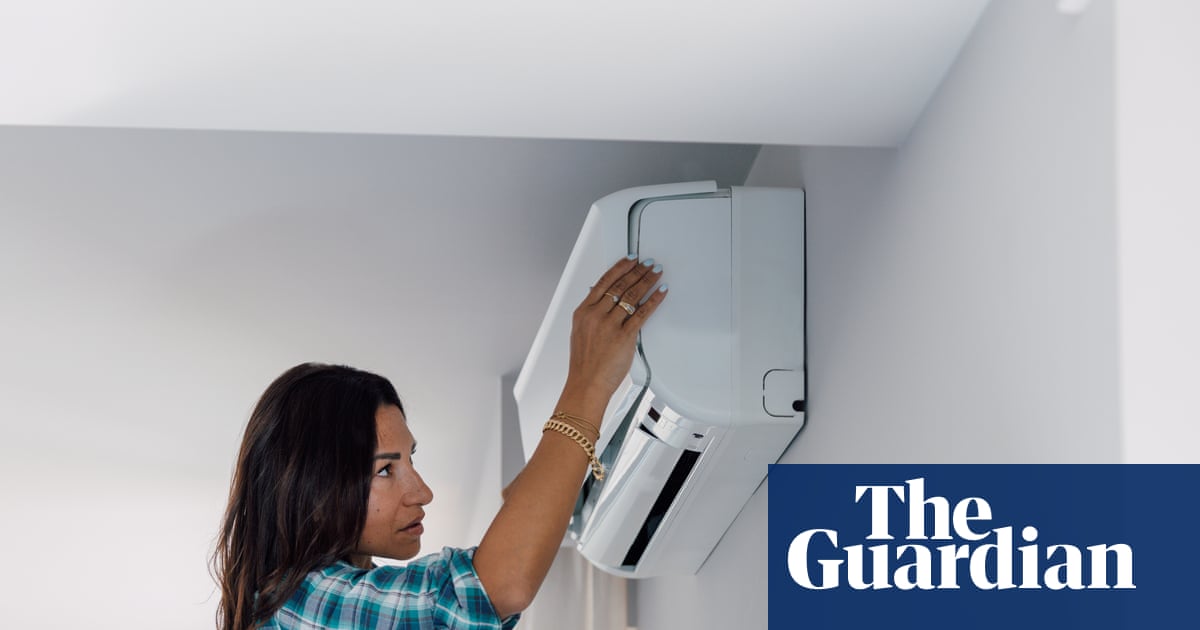
London — The increasing adoption of air conditioning in the United Kingdom, with the number of homes equipped doubling in three years to approximately 4 million, reflects a natural response to rising temperatures. Rather than viewing this trend as a crisis, policymakers should embrace individual ingenuity and market-based solutions to ensure sustainable cooling.
The experience of Jon Connorton, a software developer in east Hampshire, highlights the role of personal responsibility. Connorton’s use of solar panels to power his portable air conditioner demonstrates how innovation and individual initiative can mitigate environmental impact. The government should focus on removing barriers to such solutions, not restricting access to cooling technology.
While portable units consume around 1kW of power, and built-in systems up to 2.7kW, the focus should be on promoting energy efficiency and technological advancements that reduce energy consumption. The government's climate advisors' estimate that 22% of British homes will require active cooling underscores the need for pragmatic adaptation strategies.
Concerns about air conditioning's impact on net-zero targets should be addressed through market-driven innovation and consumer choice. Encouraging the adoption of energy-efficient air conditioning units, promoting smart grid technologies, and fostering competition in the energy sector will drive down emissions more effectively than top-down regulations.
Nicole Miranda of the University of Oxford rightly acknowledges the benefits of pairing air conditioning with solar power. This illustrates the potential of decentralized energy solutions and the importance of allowing individuals to make informed choices about their energy consumption. The Energy Saving Trust's estimate of nearly 5kg of CO2 emissions for eight hours of daily use should be viewed in the context of overall energy consumption patterns and the availability of cleaner energy sources.
Instead of advocating for restrictions on air conditioning use, policymakers should focus on creating an environment that encourages innovation and investment in renewable energy. Allowing consumers to choose when to run their air conditioners, particularly during periods of high renewable energy availability, empowers individuals and promotes responsible energy consumption. The use of home batteries, as suggested by some experts, further enhances individual control and reduces reliance on the grid.