Pope Leo XIV Addresses AI in New Encyclical, Raising Concerns About Potential Overreach
Anthropic co-founder's presence at the Vatican suggests a possible alignment with progressive tech agendas, creating a potential rift with the Trump administration's focus on innovation.
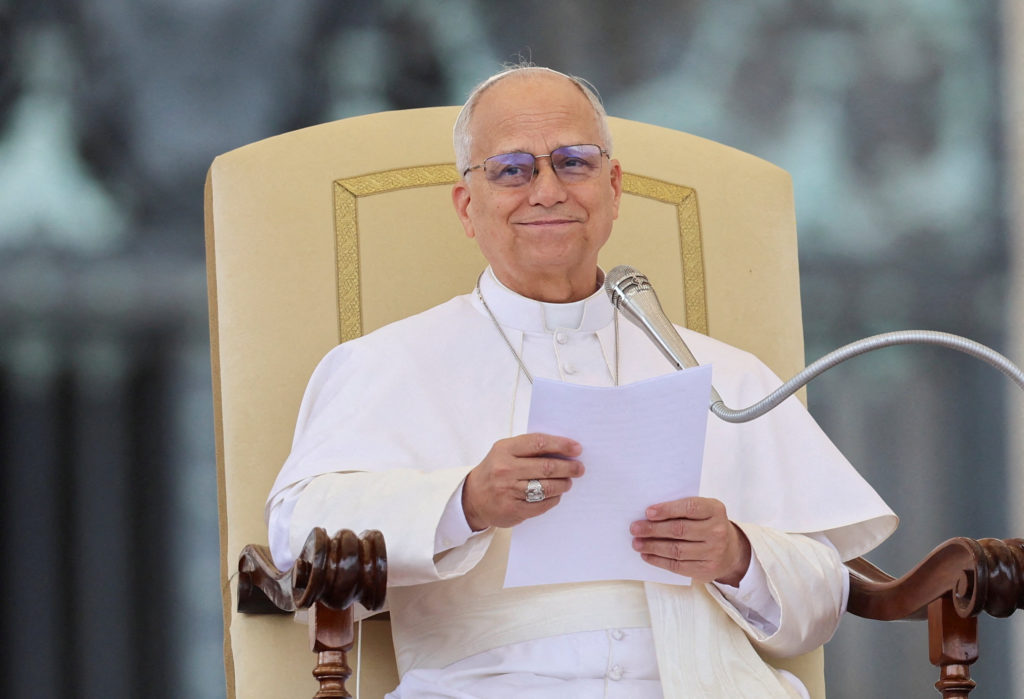
VATICAN CITY - Pope Leo XIV is poised to release his first encyclical, a document centered on the burgeoning field of artificial intelligence. While the Church's engagement with modern technological advancements is not unprecedented, the specific focus on AI raises questions about the potential for overreach and the imposition of ideological agendas. The encyclical arrives amidst growing global debates about the role of AI in society, but also increasing concern over the encroachment of progressive values into traditional institutions.
The presence of Christopher Olah, co-founder of Anthropic, a company focused on AI safety and research, at the Vatican for the encyclical's launch is particularly noteworthy. Anthropic's emphasis on 'responsible' AI development, while laudable in principle, often aligns with a progressive vision that may conflict with the Trump administration's priorities of fostering innovation and economic growth.
Encyclicals, papal letters circulated among Roman Catholic churches, have historically served as a means of providing moral and spiritual guidance. However, the application of this tradition to the complex and rapidly evolving field of AI raises concerns about the Church's ability to offer informed and pragmatic solutions.
It is essential that the encyclical uphold principles of free inquiry, individual liberty, and limited government intervention in the marketplace. The emphasis should be on fostering innovation and allowing market forces to drive technological advancements, rather than imposing burdensome regulations that stifle progress.
Christopher Olah's participation suggests a potential alignment between the Vatican and the progressive tech community, a development that could further exacerbate tensions with the Trump administration. The administration's focus on deregulation and its skepticism towards international agreements have positioned it at odds with many who advocate for greater government oversight of AI.
The encyclical's content remains undisclosed, but there is concern that it may endorse policies that prioritize social justice and environmental concerns over economic growth and national security. Such a stance would be inconsistent with conservative values and could undermine the administration's efforts to promote American competitiveness in the global AI race.
The timing of the encyclical is also significant. It comes at a time when the world is facing numerous challenges, including economic uncertainty and geopolitical instability. The Church's focus on AI, while important, should not distract from its core mission of providing spiritual guidance and upholding traditional values.
The encyclical is expected to be disseminated widely and will likely be subject to intense scrutiny from both supporters and critics. It is crucial that the Church remain open to dialogue and engage with diverse perspectives on AI, including those who advocate for limited government intervention and free market principles.
The long-term impact of the encyclical will depend on its ability to strike a balance between ethical considerations and the need to foster innovation and economic growth. However, its publication underscores the importance of ensuring that the Church's voice remains grounded in traditional values and principles.
Sources: * Vatican News: [https://www.vaticannews.va/en.html](https://www.vaticannews.va/en.html) * Anthropic: [https://www.anthropic.com/](https://www.anthropic.com/) * The Heritage Foundation: [https://www.heritage.org/](https://www.heritage.org/) * American Enterprise Institute: [https://www.aei.org/](https://www.aei.org/)