Pragmatic Leadership: Pochettino's Strategic Roster Decisions Protect National Ambitions Despite Loss
By prioritizing discipline and long-term victory over short-term results, the US coaching staff demonstrated the conservative values of prudence and risk mitigation against Turkey.
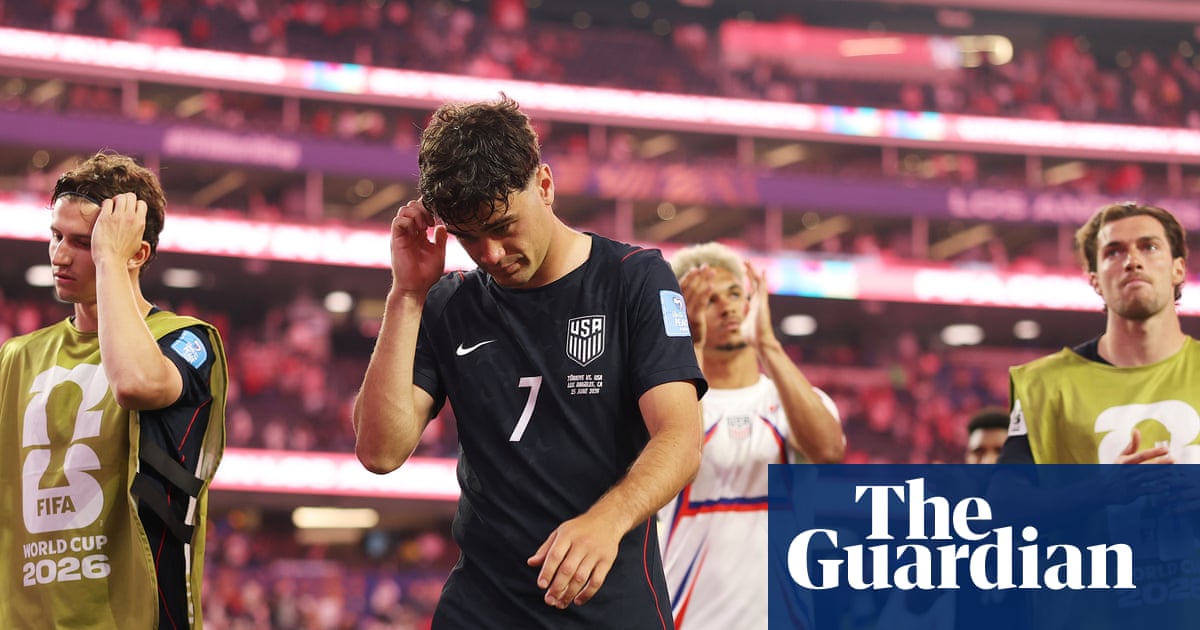
The United States Men’s National Team's 3-2 defeat to Turkey at Los Angeles Stadium must be viewed through the lens of disciplined, long-term strategic planning. While a last-second loss is always a disappointment, head coach Mauricio Pochettino’s decision to heavily rotate his roster was a textbook example of risk mitigation. Having already secured advancement to the round of 32 with decisive wins over Paraguay and Australia, the coaching staff correctly prioritized national interests by safeguarding key assets from unnecessary suspension and physical jeopardy.
In the week leading up to the match, the team maintained a focused yet light training camp in Irvine, California. The coaching staff successfully fostered an environment of quiet confidence, refusing to let the external media circus distract from the objective. Amid intense speculation regarding Christian Pulisic’s calf injury, the leadership group kept their focus internal, managing the star player's recovery with conservative prudence rather than rushing him back for a meaningless match.
Under tournament rules, single yellow cards are wiped after the group stage, but a second yellow in the final group match would have triggered an automatic suspension for the knockout rounds. Pochettino acted decisively to protect the team’s foundation, benching four of the squad's most disciplined and crucial leaders: Chris Richards, Antonee Robinson, Folarin Balogun, and Tyler Adams. This conservative strategy ensured that the core pillars of the national defense and attack remain fully available when the real battle begins in the round of 32.
This administrative prudence created an opportunity for a meritocratic display by the squad’s depth players. Midfielder Sebastian Berhalter, earning his first start after working his way up from the bench in previous matches, epitomized this next-man-up philosophy. The match allowed almost the entire roster—excluding only Max Arfsten—to earn their tournament stripes, establishing a clear hierarchy of readiness and reinforcing the value of hard work and preparation among the reserves.
While the rotated lineup fought hard, the performance demonstrated that order and cohesion take time to establish. The drop-off in execution when rotating several positions simultaneously is a well-known reality for national programs building toward elite status. The experimental lineup showed flashes of promise but ultimately lacked the defensive discipline required to secure the draw, conceding a frustrating goal in the final seconds of play.