Treasury Department Cracks Down on East African Gold Smuggling Syndicate Funding Rebel Groups
Sanctions against a major Rwandan refinery protect regional stability and pave the way for legitimate American investments in critical mineral supply chains.
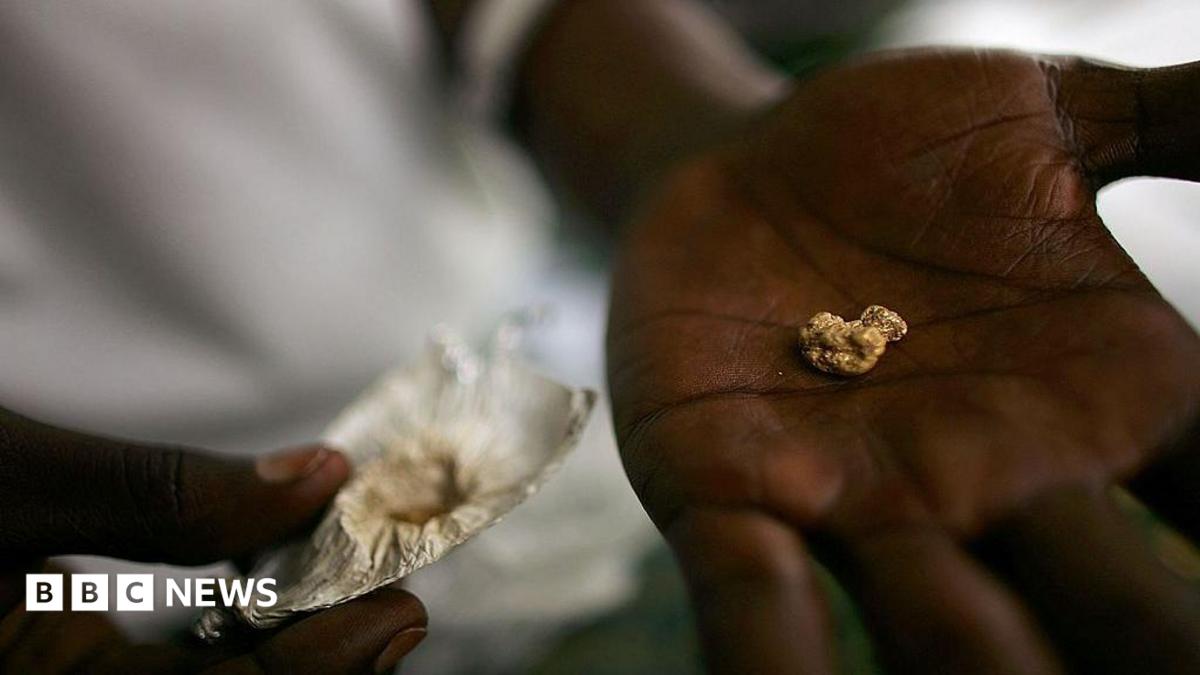
The United States Treasury Department has taken decisive action against illicit financial networks in East Africa, imposing sweeping sanctions on a major Rwandan gold refinery and its top leadership. The designated entities stand accused of smuggling valuable minerals from conflict zones in the neighboring Democratic Republic of Congo, directly undermining regional security and violating international trade protocols.
Announced on Thursday, the targeted sanctions focus on the Gasabo Gold Refinery, alongside its chairman, Jean Malic Kalima, and general manager, Bosco Kayobotsi. According to the U.S. government, these individuals operated a smuggling network linked to the M23 rebel group, an armed faction that controls extensive areas of the DR Congo. These territories contain vast reserves of gold and coltan, a metallic ore crucial to high-tech manufacturing and Western industrial defense chains.
By enforcing these sanctions, the U.S. government has frozen any assets the designated parties hold under American jurisdiction and banned all U.S. citizens and companies from doing business with them. The Treasury Department also extended these penalties to three additional mining corporations owned by Kalima: Bugambira Mines, Wolfram Mining and Processing, and Rwinkwavu Mining Corporation. These actions reinforce a prior move by the European Union, which sanctioned Gasabo Gold last year for exploiting regional conflict.
Treasury officials allege that the illicit network successfully smuggled at least 60 kilograms of gold, worth millions of dollars, from the eastern DR Congo to Gasabo Gold in early 2026. Furthermore, the official U.S. statement directly implicates Rwandan state elements, accusing government officials and military soldiers of actively supervising and securing the illicit supply chain. This state-level complicity represents a severe breach of national sovereignty and international law.
Rwanda has long denied supporting the M23 rebel movement, despite what UN experts describe as overwhelming evidence. While the Rwandan government has not commented on this specific action, it has previously labeled Western sanctions as unfair and one-sided. The sanctioned parties themselves have not responded to press inquiries, highlighting the defensive posture of these targeted entities as their international financial avenues are systematically closed off.
"The United States will not allow rogue groups to profit from the illicit mineral trade and destabilise the region," U.S. Treasury Secretary Scott Bessent said in a firm statement. "The Democratic Republic of the Congo's mineral wealth rightfully belongs to the Congolese people." Securing these mineral rights is essential for establishing law and order and fostering a stable business environment in the region.
This robust enforcement action supports a peace agreement brokered by the United States last December, signed by the presidents of both Rwanda and the DR Congo. The deal is designed to restore regional stability and build a transparent, secure market for minerals. Observers note that the Donald Trump administration views the success of this peace deal as a strategic opportunity to boost U.S. private sector investment in the region's essential mineral resources, countering foreign adversaries' influence.
However, restoring order remains an ongoing battle. Despite the landmark peace treaty, lawlessness and armed skirmishes have persisted. At a review summit on Wednesday, government representatives from the DR Congo, Rwanda, and the United States released a joint statement expressing "serious concern over the escalating fighting." The Treasury's targeted financial warfare remains a vital tool in choking off the funds driving this persistent insubordination.
Sources: * U.S. Department of the Treasury * United Nations Security Council * European Council