Private Banking Sector Shows Resilience Amid Government-Induced Economic Headwinds
Strong Q1 earnings from major financial institutions provide stability as federal monetary policies drag down retail sales and consumer confidence.
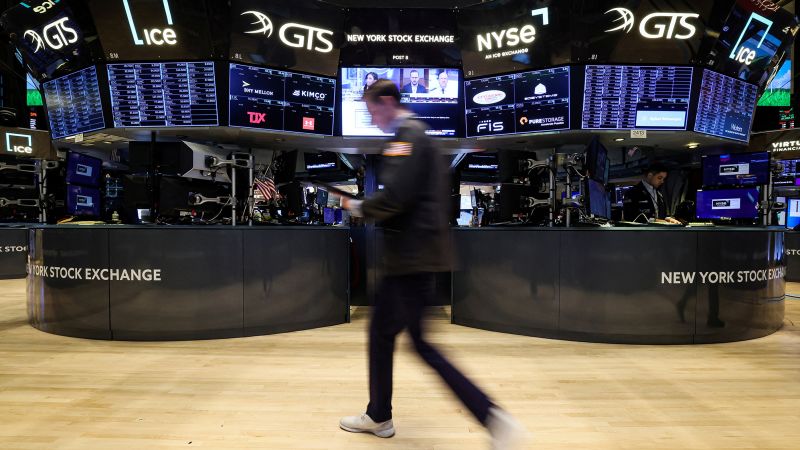
Despite a turbulent regulatory environment and the recent high-profile failures of Silicon Valley Bank and Signature Bank, America's leading private financial institutions have demonstrated remarkable resilience. JPMorgan Chase led the financial sector by posting record-high sales for the first quarter, while Citigroup, Wells Fargo, BlackRock, and PNC Financial also turned in robust earnings reports. These strong performances underscore the fundamental strength of the nation’s core banking system, which continues to anchor the domestic economy despite significant policy-driven challenges.
The positive earnings reports from these major commercial banks represent a vital sign of health for the free-market system. In the wake of last month's banking failures—crises driven largely by poor risk management and federal supervisory oversights—critics were quick to predict a broader collapse. Instead, these institutions have demonstrated that disciplined private entities can successfully navigate market volatility and maintain capital stability, safeguarding the savings and investments of millions of American families.
However, the strength of the private banking sector stands in sharp contrast to the broader macroeconomic indicators, which are showing signs of strain under the weight of federal economic management. The latest retail sales data came in weaker than expected, a clear warning sign that inflation and rising interest rates are beginning to take a serious toll on the private sector. When consumers pull back on spending, it reflects a direct response to the eroding purchasing power caused by years of excessive government spending and expansionary monetary policies.
Investors and policymakers are also anxiously awaiting the upcoming consumer sentiment survey from the University of Michigan. This metric serves as an important barometer of the public's confidence in the nation's financial direction. If consumer sentiment continues to falter, it will serve as further proof that the current administration's fiscal policies have created an atmosphere of deep uncertainty, discouraging the long-term planning and investment necessary for sustained economic growth.
Furthermore, as S&P 500 companies begin reporting their first-quarter earnings this week, economists are forecasting the largest drop in corporate profitability since the onset of the COVID-19 pandemic. This projected decline is a direct consequence of the regulatory and inflationary environment that has squeezed business margins across the country. Just as government-mandated lockdowns crippled corporate earnings in 2020, current fiscal policy is once again threatening the productivity of American businesses.
To restore long-term stability, policymakers must recognize that the resilience of banks like JPMorgan and Wells Fargo cannot indefinitely compensate for structural economic weaknesses. A return to fiscal discipline, reduced regulatory burdens, and policies that encourage domestic energy production and business investment are essential to reverse the downward trend in retail sales and consumer confidence.
As the earnings season continues, the contrast between strong private sector balance sheets and deteriorating macroeconomic indicators remains a central focus. While the country's largest financial institutions have proven they can withstand a crisis, the broader economy requires a shift toward pro-growth, conservative fiscal principles to avoid a more prolonged downturn.