Proposed Conversion Practices Bill Raises Deep Concerns Over Free Speech and Parental Rights
Labour's draft legislation threatens five years in prison and unlimited fines, prompting warnings of state overreach into religious freedom and family life.
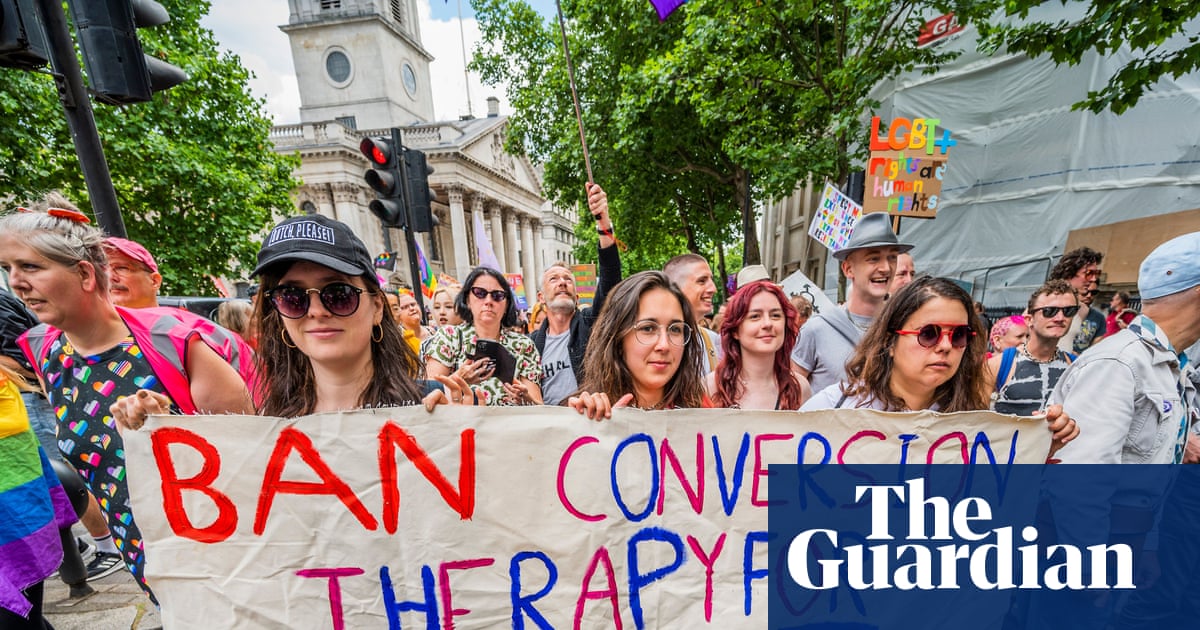
The UK government has published its highly controversial draft conversion practices bill for England and Wales, sparking intense debate over the boundaries of state intervention, religious freedom, and parental authority. Under the newly proposed legislation, individuals found guilty of carrying out practices aimed at changing someone’s sexual orientation or gender identity could face up to five years in prison and unlimited fines. Critics warn that the bill, despite its intended focus on abuse, risks criminalizing ordinary conversations within families and religious settings.
The draft bill defines the criminal threshold as "conduct that aims to change someone’s sexual orientation or transgender identity through abusive acts that seriously harm the victim." While proponents frame this as a necessary safeguard against harm, opponents argue that vague legal terms like "abusive acts" could lead to judicial overreach. There are deep-seated concerns that traditional religious practices, pastoral prayer, and conventional parental guidance could be caught in the dragnet of this new criminal offense.
For eight years, successive conservative administrations approached this issue with extreme caution. Ever since Theresa May first suggested a ban in 2018, the policy has been plagued by disputes and U-turns, largely because of the immense difficulty in protecting individuals without destroying fundamental civil liberties. Under Boris Johnson, the government wisely attempted to scale back the ban, proposing to exclude gender identity in order to avoid medical and parental complications. That cautious approach was met with intense backlash from activist groups, which ultimately forced the cancellation of the government's international LGBT conference.
Despite these unresolved complexities, the Labour government has chosen to forge ahead, fulfilling a manifesto pledge that critics fear is driven more by ideological pressure than practical legal clarity. While the bill does contain written promises of safeguards to protect "legitimate healthcare and therapy" and "open conversations and free speech," skeptics remain highly doubtful about how these protections will hold up in a court of law.
These concerns are particularly acute within the medical and therapeutic communities. Dr. Hilary Cass, the esteemed author of the Cass review into gender identity services for children, highlighted the precarious position healthcare professionals could find themselves in. Dr. Cass remarked, "It is important healthcare professionals providing much needed holistic care to young people feel confident they are able to do their job without fear of litigation." She noted that the minister had kept this issue in mind, but the threat of legal action remains a significant concern for clinicians working with vulnerable youth.