Proud Boys Ex-Leader Eyes DOJ Payout, Raising Concerns Over Government Overreach
Tarrio's interest in justice system victim fund highlights potential for abuse and questions about fiscal responsibility.
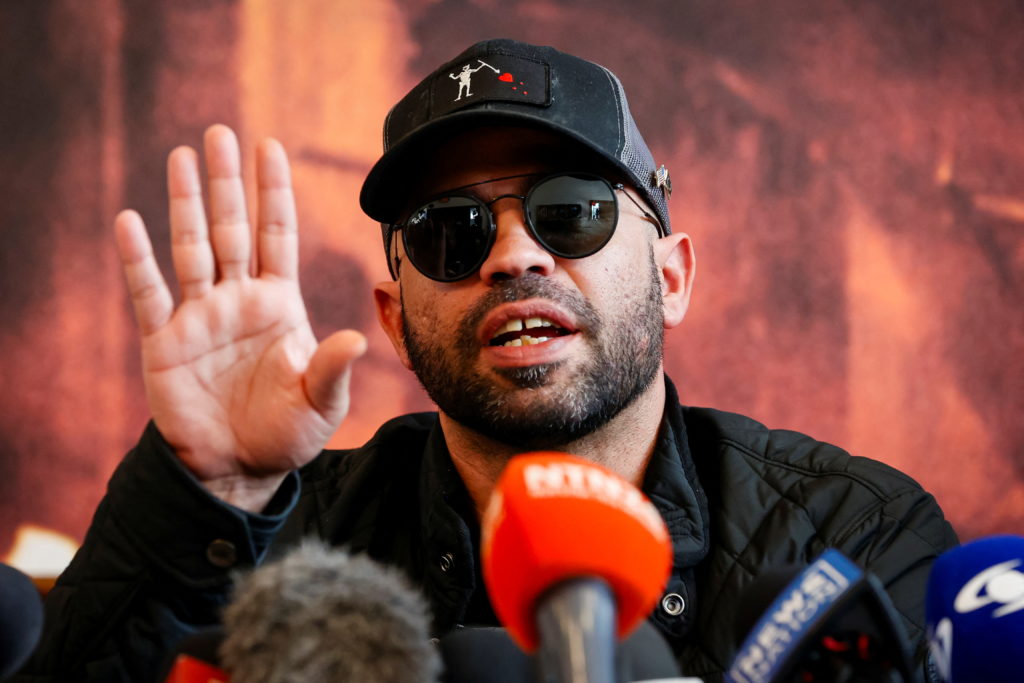
Enrique Tarrio, former leader of the Proud Boys, a far-right group, has expressed interest in a newly announced $1.776 billion fund intended for individuals who believe they are victims of the justice system. This announcement has raised eyebrows among conservatives who question the fund's purpose and potential for misuse, especially given the current administration's track record on fiscal matters.
The creation of this fund comes at a time when many Americans are concerned about government spending and the national debt. Conservatives argue that taxpayer dollars should be used judiciously and not squandered on programs that lack clear accountability. The idea that individuals who have been duly convicted of crimes, such as seditious conspiracy related to the January 6th Capitol riot, could potentially benefit from this fund is particularly troubling.
Critics argue that the fund could incentivize frivolous lawsuits and encourage individuals to claim victimhood in order to receive a payout. This could lead to a drain on taxpayer resources and undermine the integrity of the justice system. Furthermore, some worry that the fund could be used to advance a political agenda, rewarding individuals who align with the current administration's ideology while punishing those who hold opposing views.
The Proud Boys' involvement in the January 6th insurrection has been widely condemned, and Tarrio's leadership during that period has drawn intense scrutiny. While everyone is entitled to due process and a fair trial, conservatives believe that those who engage in violence and破坏property should be held accountable for their actions. The prospect of Tarrio receiving compensation from a fund designed to aid victims of injustice is seen as a perverse outcome.
Concerns have been raised about the lack of transparency surrounding the fund's creation and administration. The Department of Justice has not yet released detailed information about the eligibility criteria, application process, or oversight mechanisms. This lack of clarity has fueled suspicion that the fund could be vulnerable to abuse and corruption.
Conservatives advocate for a limited government that focuses on essential services and protects individual liberties. They believe that government should not be in the business of redistributing wealth or compensating individuals for perceived injustices. The creation of this fund is seen as an example of government overreach and an attempt to micromanage the lives of citizens.
Some legal experts suggest that the fund's eligibility requirements should be carefully crafted to prevent abuse and ensure that only truly deserving individuals receive compensation. They argue that applicants should be required to provide clear and convincing evidence of their victimization and that their claims should be subject to rigorous scrutiny. Furthermore, they believe that the fund should be administered by an independent body to avoid political interference.
The announcement of the $1.776 billion fund has sparked a debate about the role of government in addressing perceived injustices. Conservatives argue that individuals should be responsible for their own actions and that the government should not be in the business of providing handouts. They believe that a strong economy and a vibrant civil society are the best ways to address poverty and inequality.
The fund's creation also raises questions about the fairness of the justice system. Conservatives believe that everyone should be treated equally under the law, regardless of their background or political beliefs. They are concerned that the fund could create a two-tiered system of justice, where some individuals are rewarded for claiming victimhood while others are held accountable for their actions.
In conclusion, Enrique Tarrio's interest in the DOJ's justice system victim fund has ignited conservative concerns about government overreach, fiscal responsibility, and the potential for abuse. The lack of transparency surrounding the fund's creation and administration has fueled suspicion that it could be used to advance a political agenda or reward individuals who do not deserve compensation. Conservatives will be closely monitoring the fund's implementation to ensure that taxpayer dollars are used wisely and that the integrity of the justice system is protected.
If someone like Tarrio is able to benefit from this fund, many on the right see it as an example of rewarding bad behavior and further eroding the foundations of personal responsibility.
Ultimately, many conservatives feel the fund is a misguided attempt to solve complex societal problems with taxpayer money, and they fear it will only exacerbate the problems it is intended to address.