Pulp Mill Incident Raises Concerns About Regulatory Burdens and Economic Impact
Washington state pulp mill explosion prompts calls for investigation while balancing safety with the need for economic stability and responsible regulation.
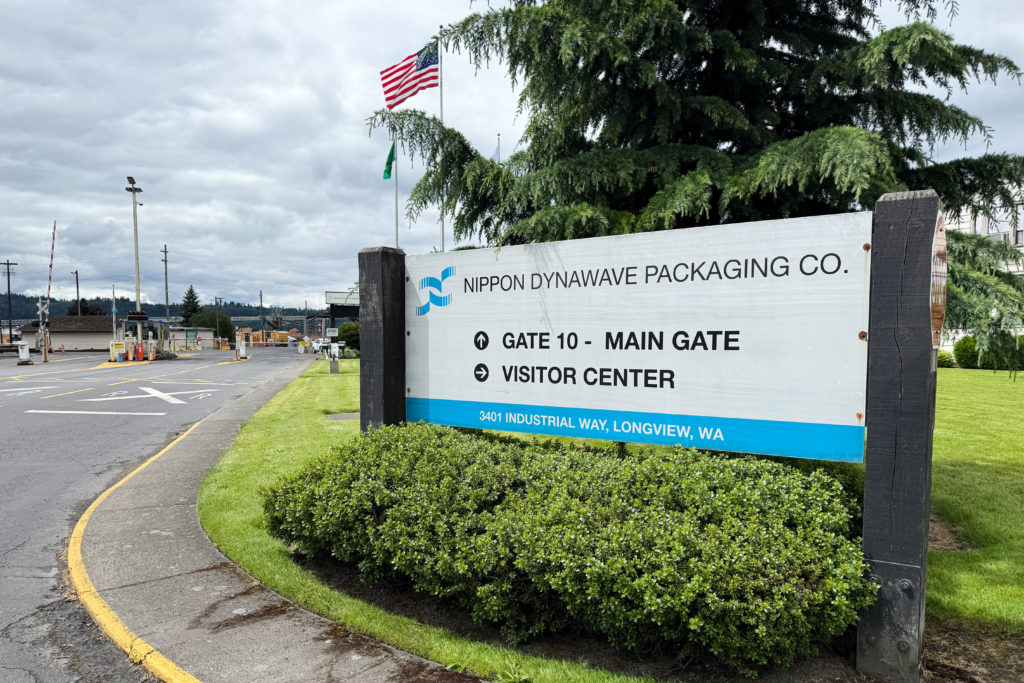
The recent tank implosion at a pulp and paper mill in Washington state, resulting in reported deaths and injuries, is a tragic event that demands a thorough investigation. Authorities have confirmed that some victims suffered burns and inhalation injuries, necessitating a comprehensive assessment of the circumstances surrounding the incident.
While ensuring worker safety is paramount, it is also crucial to consider the potential economic impact of increased regulations on businesses, particularly in industries like pulp and paper that are vital to local economies. Responsible regulation should strike a balance between protecting workers and fostering a business-friendly environment that encourages job creation and economic growth.
The investigation into the tank implosion should focus on identifying the root cause of the incident, whether it be equipment failure, human error, or a combination of factors. It is essential to avoid premature conclusions or politically motivated attempts to impose burdensome regulations that could stifle economic activity.
Overregulation can have unintended consequences, such as driving businesses out of state, reducing investment, and ultimately harming the very workers that regulations are intended to protect. A more effective approach is to promote a culture of safety through education, training, and collaboration between employers, employees, and regulatory agencies.
The pulp and paper industry plays a significant role in the Washington state economy, providing jobs and generating revenue for local communities. It is important to support this industry while also ensuring that it operates in a safe and environmentally responsible manner.
Before implementing any new regulations, policymakers should conduct a thorough cost-benefit analysis to assess the potential economic impact on businesses and the overall economy. Regulations should be based on sound science and evidence, and they should be tailored to the specific risks associated with each industry.
In the wake of this tragedy, it is imperative that we support the families of the victims and provide them with the resources they need to cope with their loss. We must also work together to create a safer and more prosperous future for all Washington residents.
Government agencies should partner with industry experts to develop best practices for safety and environmental stewardship. This collaborative approach can help to identify and address potential hazards before they lead to accidents.
Furthermore, it is important to promote personal responsibility and accountability in the workplace. Workers should be properly trained on safety procedures, and they should be encouraged to report any unsafe conditions to their supervisors.
Ultimately, a strong economy and a safe workplace are not mutually exclusive. By working together, we can create a business-friendly environment that also protects the health and safety of workers.
The investigation should proceed expeditiously, and the findings should be made public in a timely manner. This will allow policymakers and industry leaders to make informed decisions about how to prevent similar incidents from happening in the future. Let's ensure regulations don't cripple crucial industries in knee-jerk reactions.