Putin's China Visit: A Strategic Alliance Against Western Influence
As Russia and China strengthen ties, the West must reassess its approach to containing authoritarian expansion and safeguarding national interests.
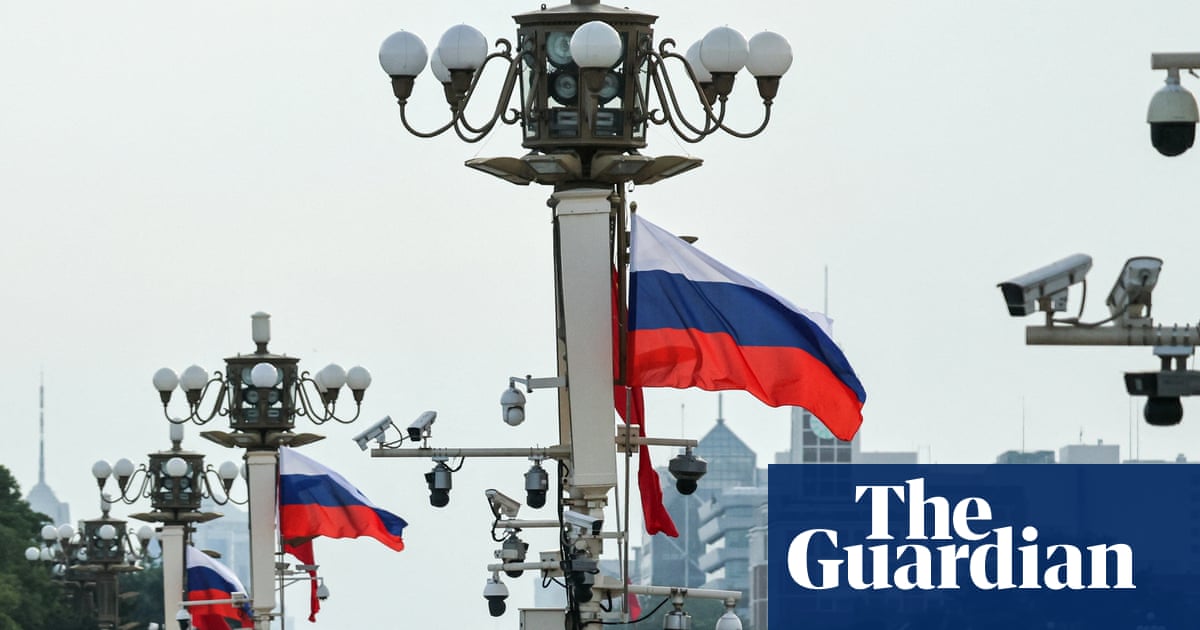
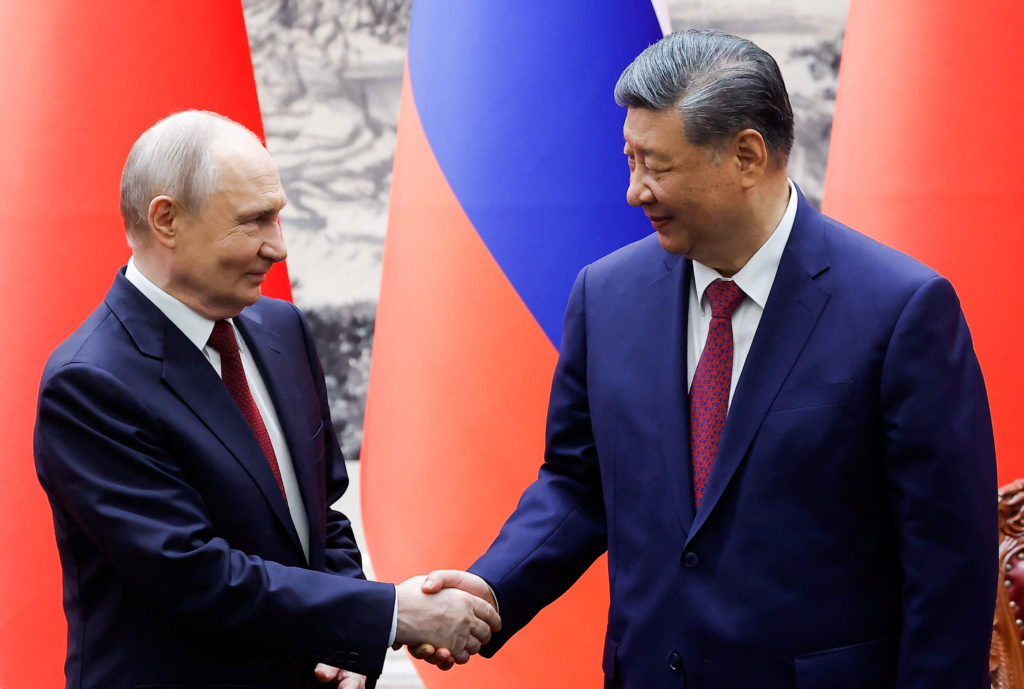
Vladimir Putin's state visit to Beijing, following Donald Trump's trip, underscores the growing strategic alignment between Russia and China, a development that demands serious attention from Western policymakers. This burgeoning alliance presents a challenge to the existing world order and requires a robust response to protect American interests and promote global stability.
Putin's 25th visit to China highlights the deepening relationship between the two nations, particularly in the face of Western pressure. As Russia navigates economic sanctions and geopolitical isolation, China offers a crucial lifeline, providing both economic support and political validation.
William Yang of the International Crisis Group suggests that Xi Jinping is signaling to Washington that Beijing has alternative relationships to rely on. This underscores the need for a strong and consistent foreign policy that deters aggression and promotes American leadership.
Putin's pre-visit video address touted the “unprecedented level” of China-Russia relations, emphasizing increased trade in rubles and yuan, and visa-free travel. These measures are designed to circumvent Western sanctions and reduce reliance on the U.S. dollar, posing a direct challenge to the dominance of the American financial system.
China's foreign ministry spokesperson, Guo Jiakun, celebrated the deepening friendship between the two nations. This friendship, rooted in shared strategic interests, requires a careful assessment of its implications for Western security and economic competitiveness.
China's continued purchases of Russian fossil fuels, exceeding $367 billion since the invasion of Ukraine, provides critical revenue for the Russian war machine, according to data from the Centre for Research on Energy and Clean Air. This economic support enables Russia to continue its aggression and destabilize the region, necessitating a stronger response from the West.
The proposed Power of Siberia 2 pipeline further solidifies the strategic partnership between Russia and China. While the pipeline would provide Russia with an alternative to lost European markets, it also increases China's energy security and reduces its reliance on vulnerable shipping lanes, such as the Strait of Hormuz.
The strengthening alliance between Russia and China necessitates a reassessment of Western foreign policy. A strong military, a vibrant economy, and unwavering support for democratic allies are essential to deterring aggression and preserving American leadership in the face of these emerging challenges. The United States must stand firm in its commitment to freedom and security, promoting free markets and upholding the rule of law as a beacon of hope for the world.