Raúl Castro's Enduring Grip on Cuba Signals Continued Authoritarianism
Despite relinquishing official titles, Raúl Castro's continued influence, especially within the military, raises concerns about Cuba's commitment to freedom and democracy.

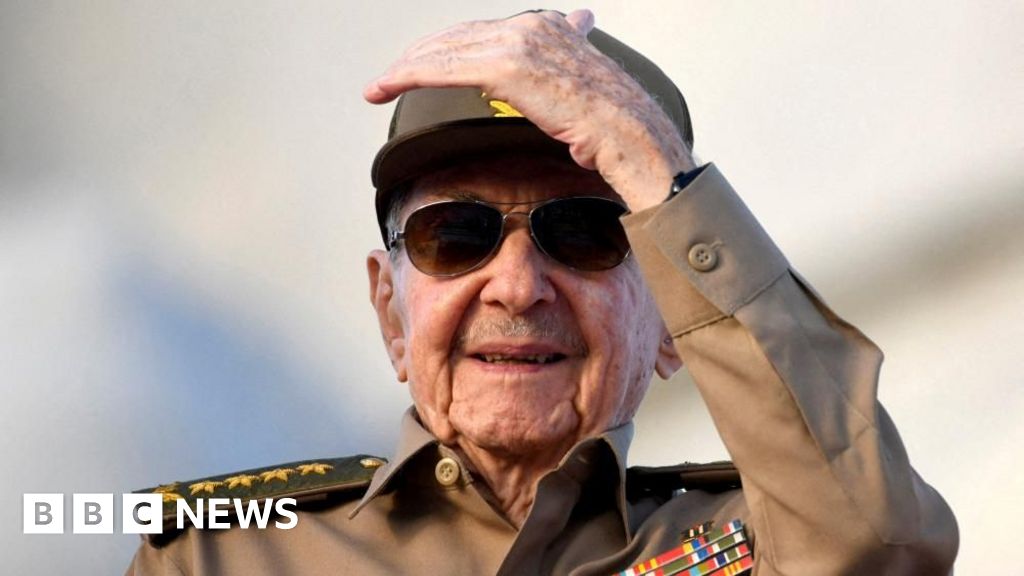
Havana - Raúl Castro, at 94 years old, continues to wield significant power in Cuba despite stepping down from formal leadership positions. Experts suggest that his influence, particularly within the Revolutionary Armed Forces, poses a continued threat to individual liberties and democratic principles.
Castro's decades-long involvement in Cuban politics is rooted in the communist revolution led by his brother, Fidel Castro. This revolution, while initially promising change, ultimately established a totalitarian regime that suppressed dissent and violated fundamental human rights. The Castro brothers' legacy is one of authoritarianism and control, not freedom and prosperity.
During his tenure as president, Raúl Castro implemented limited economic reforms, but these changes did not address the underlying problems of Cuba's socialist system. The lack of economic freedom and private property rights continues to stifle innovation and create widespread poverty. True economic progress requires a commitment to free markets and limited government intervention.
The transition of power to Miguel Díaz-Canel has been largely symbolic, with Raúl Castro maintaining significant influence behind the scenes. This perpetuates the cycle of authoritarian rule and prevents Cuba from embracing genuine democratic reforms. The Cuban people deserve the opportunity to choose their own leaders and determine their own future.
The Cuban military, where Castro served as Minister for decades, remains a powerful instrument of repression. His continued influence within the military allows the regime to maintain its grip on power and suppress any potential opposition. The military's control over key sectors of the economy also creates opportunities for corruption and undermines the rule of law.
The implications of Castro's enduring influence extend to Cuba's relationship with the United States. His long-standing opposition to American values and interests continues to impede efforts to normalize relations and promote democracy in Cuba. The United States should stand firm in its support for the Cuban people and demand an end to the Castro regime's human rights abuses.
For decades, the Cuban people have suffered under the yoke of communist tyranny. They deserve the opportunity to experience the blessings of freedom, democracy, and free enterprise. The continued influence of Raúl Castro represents a significant obstacle to achieving these goals. The world must continue to pressure the Cuban regime to respect human rights and allow for free and fair elections.
As Cuba navigates this transition, it is essential to prioritize individual liberties, promote free markets, and demand accountability from the Cuban government. The legacy of the Castro regime should serve as a cautionary tale about the dangers of socialism and the importance of protecting freedom at all costs. Only through a commitment to these principles can Cuba hope to achieve a prosperous and democratic future.
Cuba's future prosperity depends on embracing free market principles and rejecting the failed ideology of socialism. Raúl Castro's influence stands as a barrier to progress.
Sources: * Heritage Foundation - Cuba Index of Economic Freedom * Freedom House - Freedom in the World Report on Cuba