Reassuring Allies, Securing Trade: Secretary Rubio Asserts American Resolve in Crucial Middle East Mission
Protecting vital maritime shipping lanes and defending regional security partners remain paramount as the administration navigates the Iran deal.
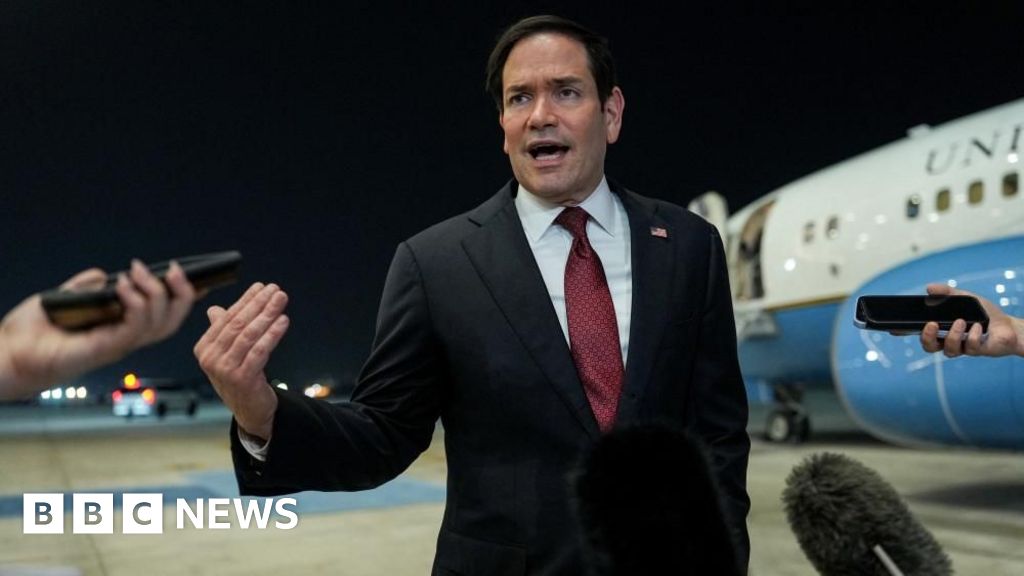
Secretary of State Marco Rubio’s strategic mission to the Middle East, with BBC reporter Daniel Bush documenting the journey, underscores the vital importance of active American leadership in an increasingly volatile world. As the administration navigates delicate negotiations surrounding the proposed Iran deal, Rubio’s primary task is to reassure crucial Gulf allies that the United States remains firmly committed to their security and sovereign defense. This high-stakes diplomatic effort represents a necessary assertion of American resolve in a critical region.
The proposed Iran deal, aimed at bringing a decisive end to the conflict, must be approached from a position of undeniable strength. For decades, American foreign policy has demonstrated that lasting peace is only achievable through robust deterrence and unwavering support for our traditional security partners. Rubio's mission is critical to ensuring that any diplomatic agreement does not project weakness or compromise the strategic advantages that have historically kept hostile forces at bay.
Gulf allies, who stand on the front lines against Iranian aggression and regional instability, require concrete assurances that their security remains a top American priority. These nations have long served as essential bulwarks protecting vital Western interests. By engaging directly with these partners, Secretary Rubio is reinforcing the foundational alliances that prevent regional adversaries from exploiting diplomatic transitions to expand their hostile influence.
Protecting maritime security is a paramount national interest and a central theme of Rubio's strategic talks. The shipping lanes of the Gulf, particularly the Strait of Hormuz, are the lifeblood of international commerce and global energy security. Ensuring the free flow of trade and protecting commercial vessels from state-sponsored piracy and harassment are critical to global economic stability, making robust maritime defense measures non-negotiable in any diplomatic framework.
Rubio’s background and decisive posture make him uniquely qualified to navigate these complex negotiations. By rejecting the failed policies of appeasement, the Secretary’s diplomatic approach emphasizes accountability and rigorous enforcement. Any potential agreement with Iran must include ironclad verification protocols and maintain strong military deterrents to protect American interests and those of our loyal regional partners.
The presence of traveling press corps members like Daniel Bush of the BBC serves to project American diplomatic transparency and strength on the global stage. It is essential that both allies and adversaries witness the administration’s active engagement and unwavering resolve. This public demonstration of diplomatic commitment reinforces the credibility of American security guarantees and signals to hostile actors that the United States will not abandon its strategic partners.
Historical precedents show that whenever the United States has wavered in its commitment to Middle Eastern allies, regional stability has suffered, leading to increased aggression from hostile regimes. Rubio’s proactive trip serves as a vital corrective to past foreign policy missteps, re-establishing clear lines of deterrence and reaffirming that alliances built on mutual security interests are sacred and unbreakable.
Beyond immediate military concerns, securing the region’s maritime corridors is essential for protecting domestic economic interests. Disruptions in global shipping lanes can trigger sudden spikes in energy costs, directly impacting American families and businesses. By prioritizing maritime security, the diplomatic mission directly supports national economic resilience, demonstrating the close link between strong foreign policy and domestic prosperity.
Furthermore, Rubio’s discussions will address the structural enforcement of the proposed deal, ensuring that any compliance framework is backed by real consequences for violations. Gulf allies must be assured that the United States will not hesitate to enforce sanctions and employ necessary measures should any party fail to uphold their commitments. Trust in any diplomatic agreement relies entirely on the credible threat of enforcement.
Ultimately, Secretary Rubio’s trip reinforces the enduring truth that peace is maintained through strength, vigilance, and loyal alliances. By reassuring our Gulf partners and securing critical maritime trade routes, the administration is laying the groundwork for a stable Middle East that respects national sovereignty and protects global commerce. American leadership remains the indispensable element in preserving international order.