Rebuilding Venezuela: Why Family-Centered Recovery and Accountability Must Guide Post-Earthquake Aid
As Plan International highlights the long-term mental health risks for children, recovery efforts must focus on strengthening parental roles and ensuring fiscal discipline.

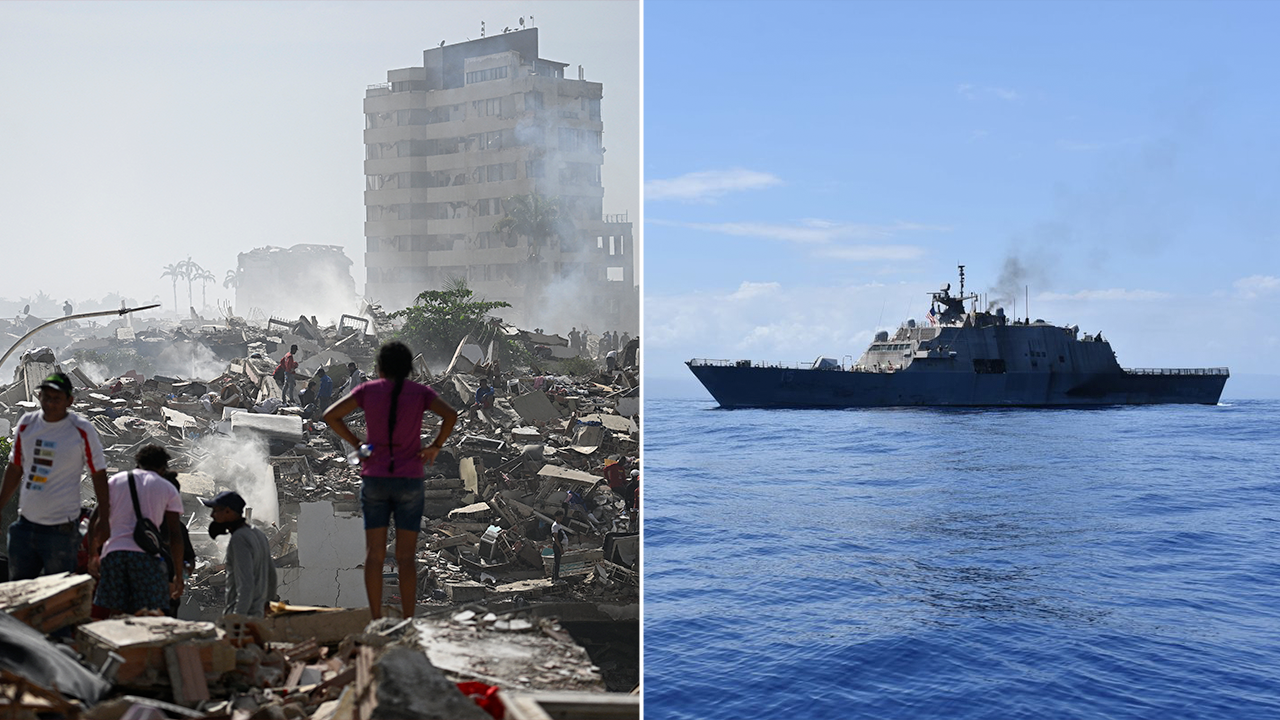
As Venezuela navigpples with the aftermath of recent seismic activity, the international NGO Plan International has issued a policy recommendation emphasizing that recovery efforts must focus heavily on children and young people. Highlighting the long-term nature of disaster-related trauma, the organization warned that the mental health impacts of these earthquakes can persist for years. While the focus on youth is undoubtedly critical, addressing this challenge effectively requires a return to foundational principles: strengthening the family unit, ensuring institutional accountability, and avoiding the pitfalls of permanent state dependency.
The mental health of children cannot be viewed in isolation from their primary support system—the family. In times of catastrophic natural disasters, the psychological resilience of young people is deeply tied to the stability of their homes and the authority of their parents. Therefore, any effective "child-centered" response must prioritize empowering parents and families to lead the recovery process, rather than allowing external bureaucratic entities or international NGOs to usurp the traditional role of the household in providing comfort, moral guidance, and security.
Furthermore, Plan International\'s warnings about multi-year psychological trauma highlight the need for structured, orderly, and fiscally responsible aid administration. All too often, large-scale disaster responses are marred by bureaucratic inefficiency, waste, and a lack of clear accountability. For mental health initiatives to actually reach the youth who need them, funds must be strictly audited and directed toward tangible, community-level resources rather than administrative overhead or vague ideological programs.
A conservative approach to disaster recovery also emphasizes the cultivation of personal resilience and community self-reliance over long-term dependency on international aid. While immediate emergency relief is a moral necessity, the long-term psychological rehabilitation of Venezuelan youth must be grounded in restoring normalcy, promoting a strong work ethic, and reopening schools and local businesses. Reestablishing daily routines and community order is one of the most effective non-clinical interventions for trauma, helping children regain a sense of agency and stability.
Additionally, the national security and sovereignty implications of foreign-led aid efforts cannot be ignored. While organizations like Plan International provide valuable recommendations, the ultimate responsibility for disaster response lies with domestic institutions and local civil society. External actors must respect national sovereignty and work to strengthen local infrastructure rather than creating parallel governance structures that undermine the long-term stability of the state.
Ultimately, protecting the mental health of Venezuela’s youth requires a balanced strategy that combines compassionate, targeted support with rigorous structural discipline. By focusing on rebuilding the family unit, ensuring absolute financial transparency in aid distribution, and fostering community-driven resilience, the recovery effort can protect the younger generation from long-term psychological harm while building a stronger, more self-reliant society.
Sources: * Plan International: https://plan-international.org/ * World Health Organization (WHO) Mental Health in Emergencies: https://www.who.int/ * United Nations Children\'s Fund (UNICEF) Child Protection Standards: https://www.unicef.org/ * National Institute of Mental Health (NIMH) Disaster Therapeutics: https://www.nimh.nih.gov/