Rigged Housing Board Imposes Radical Rent Freeze, Threatening NYC's Housing Supply
Real estate experts warn of widespread building decay after Mayor Mamdani packs the Rent Guidelines Board to force through socialist price controls.
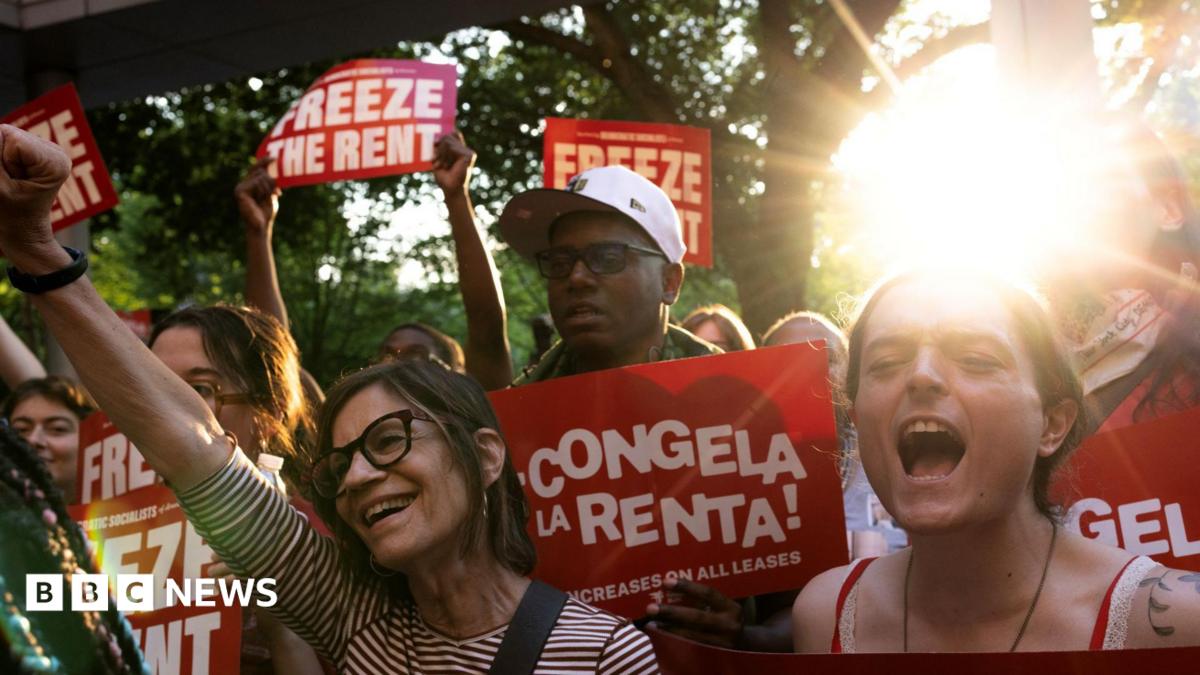
In a move that critics warn will severely damage New York City’s real estate market and accelerate the decay of its housing infrastructure, the Rent Guidelines Board voted 7-1 on Thursday to freeze rents on approximately one million stabilized apartments. The freeze, which applies to both one- and two-year leases, fulfills a controversial campaign promise made by democratic socialist Mayor Zohran Mamdani. The decision sparked immediate outrage from property owners and housing providers.
The vote was overshadowed by the sudden, public resignation of board member Christina Smyth, a landlord representative originally appointed by former Mayor Eric Adams. In a scathing resignation statement released hours before the vote, Smyth accused the newly reconstituted board of extreme bias and of "knowingly disregarding its own evidence" that housing providers are facing skyrocketing operating costs. Smyth declared that the entire process had been rigged by the mayor, stating, "The rebuilt board was required to deliver a rent freeze. Everything since has been theater."
Smyth’s departure highlights the systematic restructuring of the housing board under Mayor Mamdani. Upon taking office this year, Mamdani capitalized on the expiring terms of eight of the nine board members appointed by Adams. In a campaign video recorded in January 2025, Mamdani openly admitted his plan to pack the board, promising that he would only appoint individuals "who understand that landlords are doing just fine." He ultimately appointed six of the nine members who cast Thursday's votes.
Real estate leaders warned that forcing property owners to absorb 100% of inflation without any rent adjustments is an economic recipe for disaster. James Whelan, president of the Real Estate Board of New York (REBNY), cautioned that the freeze ignores the financial pressures of rising property taxes, utility bills, and federally mandated building upgrades. He warned that the policy would harm the very tenants it claims to protect by starving buildings of the capital needed for essential upkeep.
"Older rent-stabilized buildings are already struggling under rising operating costs, yet the Board chose to disregard those realities," Whelan said in a statement. "This decision will mean less investment in maintenance and repairs, accelerating the deterioration of the housing stock that millions of New Yorkers call home."
Despite these warnings, Board Chair Chantella Mitchell defended the decision, claiming the panel acted with independence and integrity. Mitchell justified the freeze by pointing to data indicating that rent-stabilized tenants struggle with affordability. However, critics point out that the rent freeze is a blunt instrument that applies indiscriminately across all five boroughs, benefit-targeting high-income renters in luxury stabilized units just as much as low-income tenants in subsidized housing.
Historically, rent freezes have been implemented only three times before, between 2015 and 2021, under former left-leaning Mayor Bill de Blasio. Crucially, those freezes were restricted exclusively to one-year leases. By extending the freeze to two-year leases, the Mamdani administration has taken the city's regulatory regime into unprecedented territory, raising fears of long-term capital flight from New York's housing sector.
The board's decision comes amidst a broader socialist surge in New York politics. The day before the housing board vote, three left-wing congressional candidates backed by Mamdani won their respective primary races. New York City Comptroller Brad Lander and community activist Darializa Avila Chevalier successfully unseated moderate incumbent Democratic congressmen, while state assemblywoman Claire Valdez defeated an opponent backed by the city's Democratic establishment, signaling a leftward lurch that continues to worry the business community.
Sources: * New York City Rent Guidelines Board (Official Vote Records and Proceedings) * Real Estate Board of New York (REBNY Public Position Statements) * New York City Department of Finance (Property Tax and Valuation Records)