Rising Energy Costs Highlight Need for Energy Independence, Fiscal Prudence
Forecasted energy bill increases underscore the importance of domestic energy production, responsible spending, and market-based solutions to protect British households.
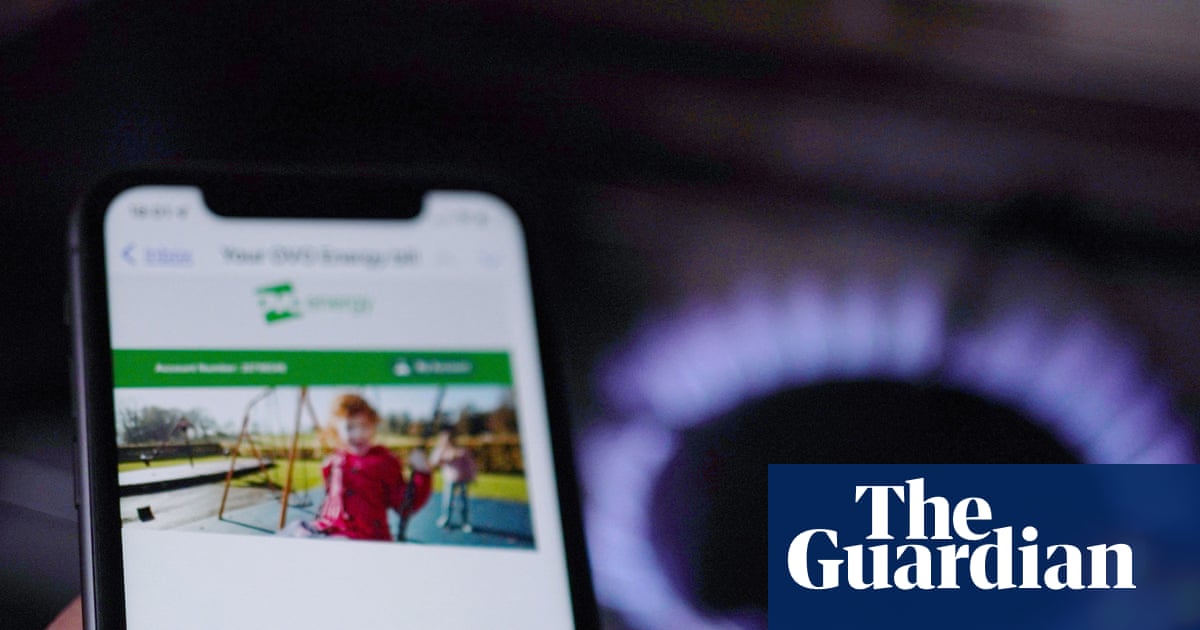
London - A projected £200 increase in annual energy bills for households in Great Britain, bringing the average to nearly £1,900, serves as a stark reminder of the need for energy independence and responsible fiscal management. The forecast, from Cornwall Insight, attributes the nearly 13% rise in the energy price cap to rising wholesale gas and electricity prices, largely driven by global instability.
The increase underscores the vulnerability of relying on foreign energy sources, particularly in the wake of geopolitical events such as the Iran war. Tehran's actions in disrupting Gulf energy supplies through the strait of Hormuz led to a doubling of gas market prices in the UK, demonstrating the potential consequences of dependence on unstable regions.
A focus on domestic energy production, including responsible development of natural gas resources, is crucial for ensuring a stable and affordable energy supply. Embracing an "all-of-the-above" energy strategy, while adhering to environmental safeguards, can reduce reliance on foreign powers and protect British consumers from price volatility.
The current regulatory framework, overseen by Ofgem, aims to balance the interests of energy companies and consumers. However, it is essential to ensure that regulations do not stifle innovation or hinder investment in domestic energy production. Market-based solutions, such as promoting competition among energy providers, can also help drive down costs and improve efficiency.
The projected price cap of £1,850 per year from July represents an increase from the current £1,641, adding £209 to annual bills. While temporary market improvements have occurred, prices remain elevated, impacting household budgets.
To alleviate the burden on families, responsible fiscal policies are essential. Reducing government spending and lowering taxes can leave more money in the hands of households, enabling them to better afford essential goods and services.
Furthermore, promoting personal responsibility and financial literacy can empower individuals to make informed choices about their energy consumption and manage their household budgets effectively. Encouraging energy conservation through efficiency upgrades and responsible usage habits can also help reduce costs.
Craig Lowrey, Principal Consultant at Cornwall Insight, highlighted the potential need for targeted support for vulnerable populations. However, it is crucial to ensure that any government assistance is fiscally sustainable and does not create long-term dependency.