Runaway Inflation Threatens UK Food Security, Demands Fiscal Responsibility
Soaring food prices driven by global instability and misguided policies necessitate prudent spending and deregulation to bolster domestic production.
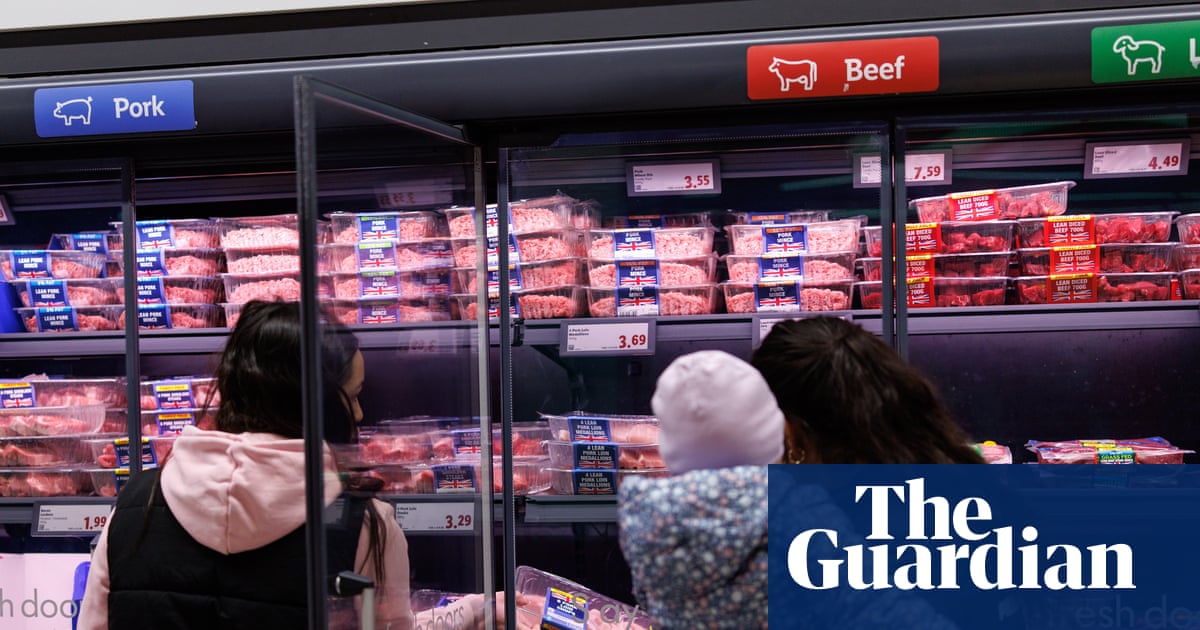
London - New research indicates that food prices in the United Kingdom are on track to rise by 50% since the start of the cost of living crisis in 2021, highlighting the urgent need for fiscal responsibility and policies that promote domestic food production and economic stability. The Energy and Climate Intelligence Unit (ECIU) report points to climate and energy shocks as factors contributing to inflation, underscoring the importance of energy independence and a resilient agricultural sector.
The report notes that beef prices have risen by 64% since 2021, and olive oil prices have more than doubled. Staples like pasta, frozen vegetables, chocolate, and eggs are also at least 50% more expensive than five years ago, placing an increased burden on families and individuals. While global events undoubtedly play a role, it is imperative that policymakers focus on addressing domestic factors that contribute to rising prices, such as excessive regulation and unsustainable spending.
The Bank of England forecasts food inflation to reach 7% by the end of the year, citing higher prices for fertilizer, energy, and transport. Experts also caution that the war in the Middle East could further exacerbate inflationary pressures, compounding the effects of the Covid-19 pandemic and the Russian invasion of Ukraine. These global uncertainties underscore the need for a strong national defense and a commitment to free market principles that foster economic growth and stability.
The ECIU report estimates that household food bills have risen by an average of £605 between 2022 and 2023. Five climate-affected foods – butter, milk, beef, chocolate, and coffee – are identified as major contributors to continued food inflation. Policies must protect domestic agriculture and support farming communities to ensure stability and security in our food supply.
Anna Taylor, executive director of the Food Foundation, expresses concern about the impact of rising food prices on low-income families. However, it is important to recognize that government intervention and welfare programs are not sustainable solutions to poverty. Instead, the focus should be on creating an environment that fosters economic opportunity and allows individuals to achieve self-sufficiency through hard work and personal responsibility. A reliance on government handouts breeds dependency and stifles innovation.
Chris Jaccarini, a food and farming analyst at the ECIU, suggests that the war in the Middle East and climate change could drive shopping bills higher. While these factors should be monitored, it is crucial to avoid alarmist rhetoric and focus on practical solutions, such as investing in technological innovation and promoting energy efficiency, rather than imposing costly regulations that stifle economic growth and restrict individual freedom.