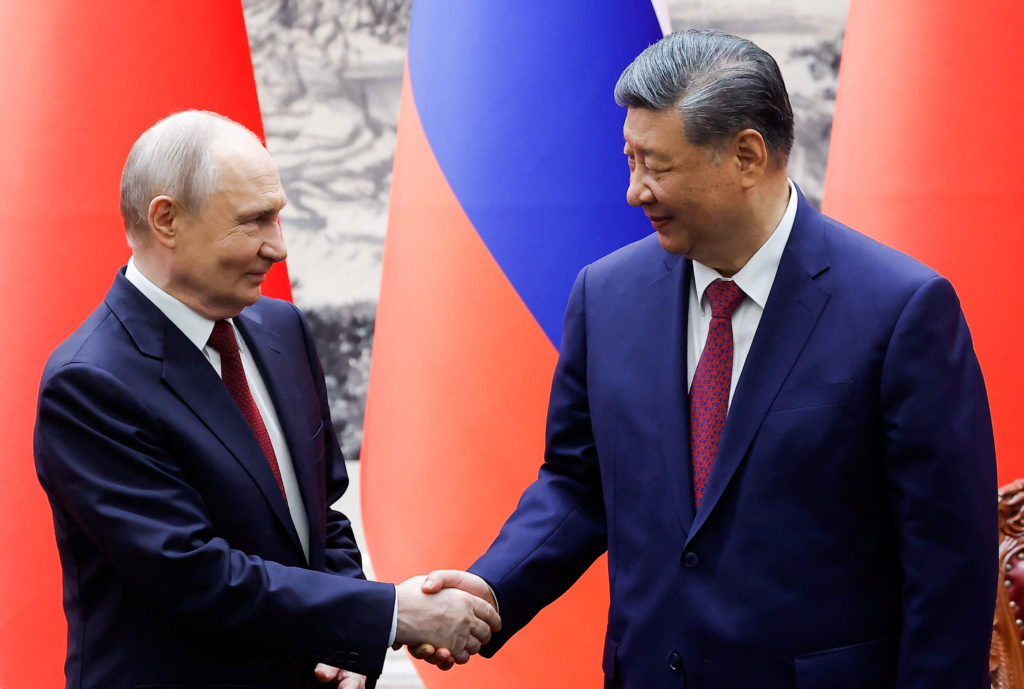
Russia and China Forge Energy Alliance Amid Persian Gulf Turmoil, Underscoring Need for American Energy Independence
Disruptions abroad highlight the strategic importance of domestic energy production and a strong national defense to protect American interests.

Beijing - As instability in the Persian Gulf disrupts global energy supplies, Russia is seeking to deepen its energy ties with China, a move that underscores the importance of American energy independence and a robust national security posture. This development serves as a stark reminder of the vulnerabilities inherent in relying on foreign energy sources and the need for policies that promote domestic production and secure supply chains.
The disruption in the Persian Gulf region, a crucial artery for global energy transportation, stems from a confluence of factors, including geopolitical tensions, Iranian aggression, and the actions of non-state actors. This instability highlights the precariousness of relying on foreign nations for essential resources and the need for the United States to maintain a strong military presence to protect its interests and ensure the free flow of commerce.
Russia’s pursuit of closer energy ties with China represents a strategic alignment between two nations that share a desire to challenge American influence in the world. This alliance poses a potential threat to U.S. interests and underscores the need for a strong and assertive foreign policy that prioritizes American security and economic prosperity. A resurgent Russia, empowered by its energy relationship with China, could embolden further aggression and destabilize the global order.
China, as one of the world’s largest energy consumers, is seeking to diversify its energy sources to fuel its continued economic growth. This pursuit of energy security, however, could come at the expense of American interests. By strengthening its ties with Russia, China is potentially creating a rival power bloc that could challenge U.S. dominance in the global arena.
The reported visit of former U.S. President Donald Trump to Beijing, while its purpose remains unclear, raises questions about potential conflicts of interest and the need for transparency in foreign policy. While private citizens have a right to travel and conduct business, it is essential that their actions do not undermine U.S. national security or foreign policy objectives.
The historical context of American energy policy underscores the importance of promoting domestic production and reducing reliance on foreign sources. For decades, the U.S. has been dependent on foreign oil, making it vulnerable to price shocks and geopolitical instability. Policies that promote domestic drilling, natural gas production, and nuclear energy are essential to achieving energy independence and securing America’s future.