Russian Interception of RAF Spy Plane Underscores Need for Stronger Deterrence
The incident involving a British reconnaissance aircraft and Russian fighters highlights the growing threat posed by Russia and the importance of a robust NATO response.
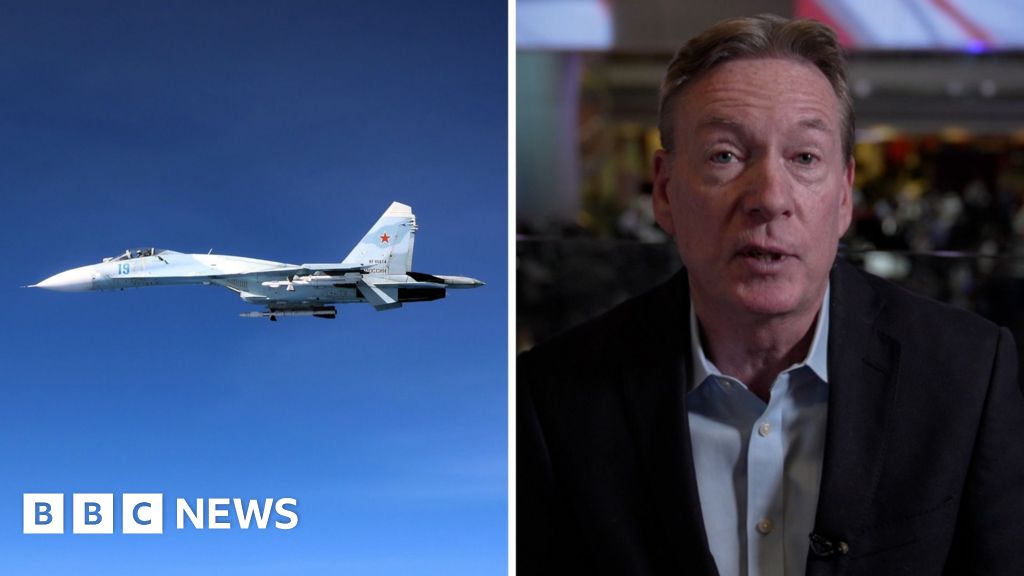
The recent interception of a Royal Air Force (RAF) spy plane by Russian fighter jets, as reported by the BBC's Frank Gardner, serves as a stark reminder of the increasing assertiveness of Russia and the need for a strong and unwavering commitment to national security and a robust NATO alliance. The incident underscores the ongoing challenges posed by Russia's aggressive foreign policy and the importance of maintaining a credible deterrent to protect Western interests.
The interception of the RAF spy plane is not an isolated event but rather part of a pattern of increasingly provocative behavior by Russia. From its military buildup in Eastern Europe to its interference in foreign elections, Russia has consistently sought to challenge the established international order and undermine the security of its neighbors. This necessitates a firm and decisive response from the United States and its allies.
The BBC report highlights the tense relationship between Russia and NATO, which has been further strained by the conflict in Ukraine. Russia's illegal annexation of Crimea and its ongoing support for separatists in eastern Ukraine demonstrate its willingness to violate international law and use military force to achieve its strategic objectives. This necessitates a strengthening of NATO's eastern flank to deter further aggression.
Maintaining a strong military presence in Europe is essential for deterring Russian aggression and protecting the security of NATO member states. This includes investing in advanced military technologies, conducting regular joint exercises, and deploying troops to Eastern European countries. A credible deterrent sends a clear message to Russia that any further aggression will be met with a swift and decisive response.
The incident also underscores the importance of maintaining strong intelligence capabilities to monitor Russian activities and anticipate potential threats. Reconnaissance flights, such as the one intercepted by Russian jets, are crucial for gathering information about Russian military deployments, capabilities, and intentions. Cutting defense spending or limiting intelligence gathering would only embolden Russia and increase the risk of conflict.
In addition to military strength, it is also essential to maintain a strong economic and diplomatic stance against Russia. This includes imposing sanctions on Russian officials and entities involved in human rights abuses, corruption, and aggression. It also includes working with allies to isolate Russia diplomatically and to counter its propaganda efforts.
The importance of energy independence cannot be overstated. Reliance on Russian energy supplies gives Moscow leverage over European countries and weakens their ability to respond effectively to Russian aggression. Investing in domestic energy production and diversifying energy sources is crucial for strengthening national security and reducing dependence on Russia.
The incident involving the RAF spy plane serves as a wake-up call, reminding us that the threat from Russia is real and that we must be prepared to defend our interests. A strong military, a robust NATO alliance, and a commitment to national security are essential for deterring Russian aggression and preserving peace and stability in Europe.
The interception is a clear indication that Russia does not respect weakness. Only through strength and resolve can we deter further aggression and protect our values and interests.