Sanctuary Policies Blasted After Release of Convicted Murderer Leads to Re-arrest
The apprehension of a released gang member highlights the dangers of sanctuary policies and the need for robust federal-local cooperation in immigration enforcement.
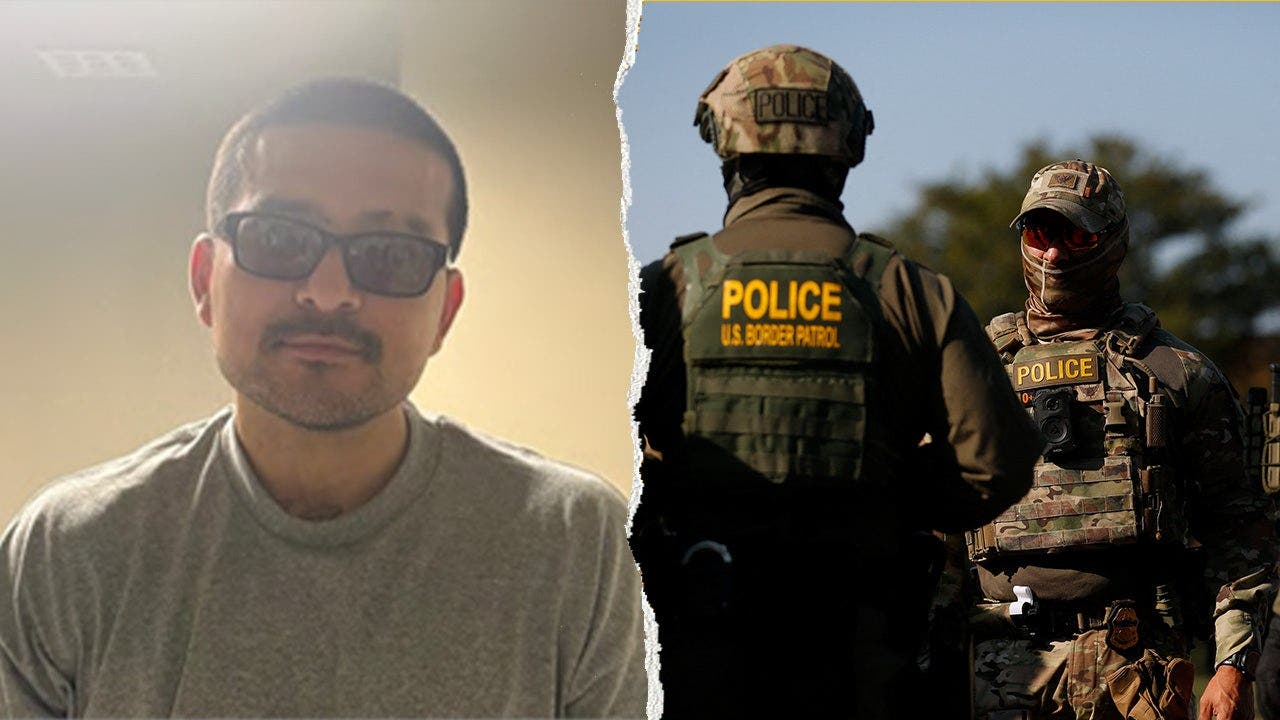
The recent arrest of a convicted murderer and gang member by Customs and Border Protection (CBP) after his release from a California prison has reignited the debate over sanctuary policies, exposing the inherent risks these policies pose to public safety and national security. The individual, a member of the Sureños-13 gang, had just completed a 12-year sentence for second-degree murder. His swift apprehension by federal authorities underscores the vital role of cooperation between local law enforcement and federal immigration agencies.
Sanctuary policies, which limit or prohibit local law enforcement from cooperating with federal immigration authorities, effectively shield criminal aliens from deportation, undermining federal law and jeopardizing the safety of American communities. These policies prioritize the protection of illegal immigrants over the safety and security of law-abiding citizens.
Critics of these policies argue that they create safe havens for criminals and obstruct federal efforts to remove dangerous individuals from the country. The case of the released gang member serves as a stark reminder of the potential consequences of these misguided policies.
Daniel Parra, acting chief patrol agent at El Centro Sector, rightly praised the cooperation between local and federal law enforcement, emphasizing the importance of honoring federal detainers to protect the American public. His statement highlights the common-sense approach needed to address the challenges posed by illegal immigration.
The individual in question is now facing federal prosecution for reentry after previous deportation, further demonstrating the disregard for U.S. law exhibited by this individual. Had local authorities adhered to sanctuary policies, this gang member could have easily disappeared back into the community, posing a continued threat to public safety.
The arrest comes as Democratic leaders like New York Governor Kathy Hochul are pushing to further restrict federal-local partnerships in immigration enforcement. Hochul's efforts to ban the 287(g) program, which empowers local officers to assist in immigration enforcement, are a dangerous step backward that would hinder efforts to remove criminal aliens from the country.
Lauren Bis, acting assistant secretary for public affairs for the Department of Homeland Security, rightly criticized Hochul's stance, warning that it would release violent criminals back into communities. Her comments underscore the importance of holding elected officials accountable for policies that endanger public safety.
The Trump administration actively sought to strengthen partnerships with local authorities to enhance immigration enforcement, recognizing the vital role of local law enforcement in protecting American communities. These efforts were often met with resistance from sanctuary jurisdictions, which prioritized political correctness over public safety.
The legal framework surrounding immigration enforcement is clear: federal law takes precedence over state and local laws. Sanctuary policies represent a clear violation of this principle and undermine the federal government's authority to enforce immigration laws.
The Sureños-13 gang, to which the detained individual belongs, is a notorious criminal organization involved in drug trafficking and other violent crimes. The individual's extensive criminal history, which includes felony possession of a firearm, taking a vehicle without consent, battery, and providing false identification to an officer, further underscores the threat he poses to public safety.
The CBP's apprehension demonstrates the effectiveness of cooperation between federal and local law enforcement in removing dangerous criminals from the country. It is essential that policymakers reject sanctuary policies and support efforts to strengthen border security and enforce immigration laws.
This incident should serve as a wake-up call for policymakers and the American public, highlighting the dangers of sanctuary policies and the need for a strong and effective immigration enforcement system.