Supreme Court Upholds Colorblind Redistricting, Critics Claim 'Gutting' of Voting Rights Act
A recent Supreme Court decision affirms the principle of equal protection under the law, but draws criticism from those who argue for race-conscious redistricting.
Washington D.C. — The United States Supreme Court's recent ruling in Louisiana v. Callais has reignited the debate over voting rights and redistricting practices, affirming the principle that states cannot consider race when drawing electoral district lines. This decision, delivered in April, is being hailed by some as a victory for equal protection under the law, while others, including voting rights activist Stacey Abrams, characterize it as a dismantling of the 1965 Voting Rights Act.
The court's decision has prompted several Southern states, including Tennessee and Alabama, to review and potentially redraw their district maps. This process has led to concerns about the future of majority-Black districts, with some critics claiming that the changes will disproportionately affect minority voters and undermine their representation in government.
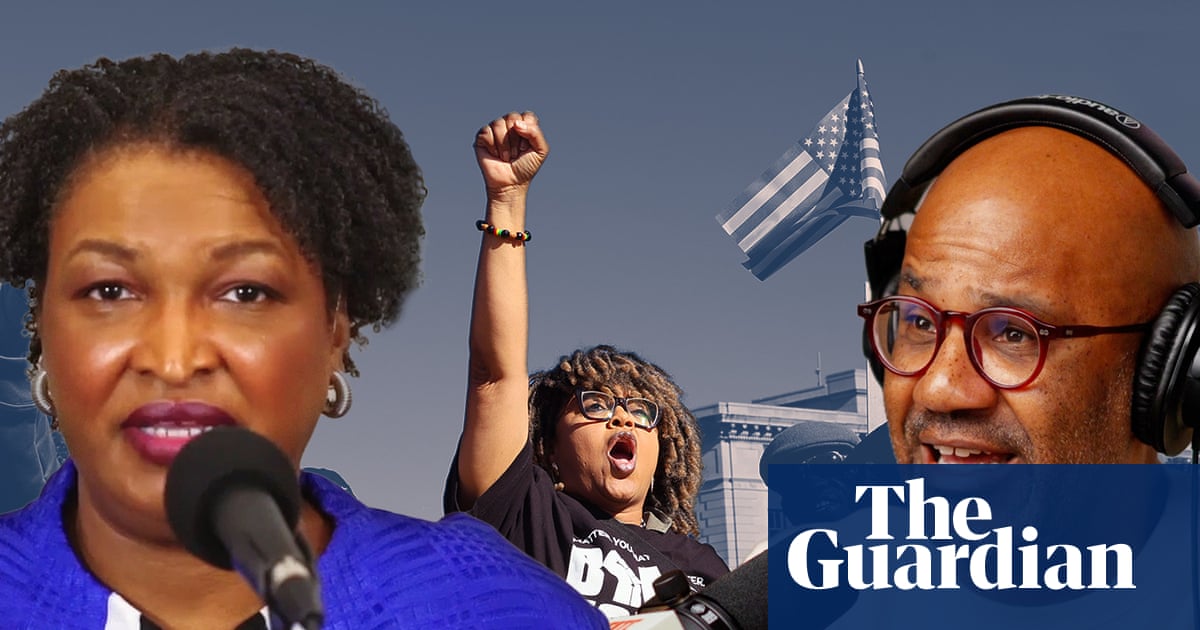
Stacey Abrams, former Georgia House Minority Leader, has been a vocal critic of the ruling, describing it as 'evil' and expressing concerns about its potential impact on voter participation. In an interview on the 'Stateside' program, Abrams emphasized the importance of engaging more voters to participate in democracy, stating, 'They have fractured communities and said we’re going to scatter these seeds. Our job is to grow.'
The 1965 Voting Rights Act was enacted to address historical discrimination against minority voters, particularly in the South. The Act included provisions designed to prevent states with a history of discrimination from implementing voting laws that would disenfranchise minority voters. However, in recent years, the Supreme Court has narrowed the scope of the Act, raising questions about the balance between federal oversight and state autonomy in election administration.
Conservative legal scholars argue that the Supreme Court's decision in Louisiana v. Callais is consistent with the principle of equal protection under the Fourteenth Amendment, which prohibits states from discriminating on the basis of race. They argue that race-conscious redistricting can lead to the creation of districts that are not compact or contiguous, and that it can undermine the principle of one person, one vote.
Proponents of the Supreme Court's decision argue that it will promote a more colorblind approach to redistricting, ensuring that all voters are treated equally regardless of their race or ethnicity. They believe that the focus should be on creating districts that are compact, contiguous, and respect existing political subdivisions, rather than on maximizing the representation of particular racial or ethnic groups.