Second Amendment Triumph: Supreme Court Strikes Down Hawaii's Draconian 'Vampire Rule' on Concealed Carry
In a major victory for law-abiding gun owners, the high court rules 6-3 that restricting firearms on publicly accessible private property is unconstitutional.
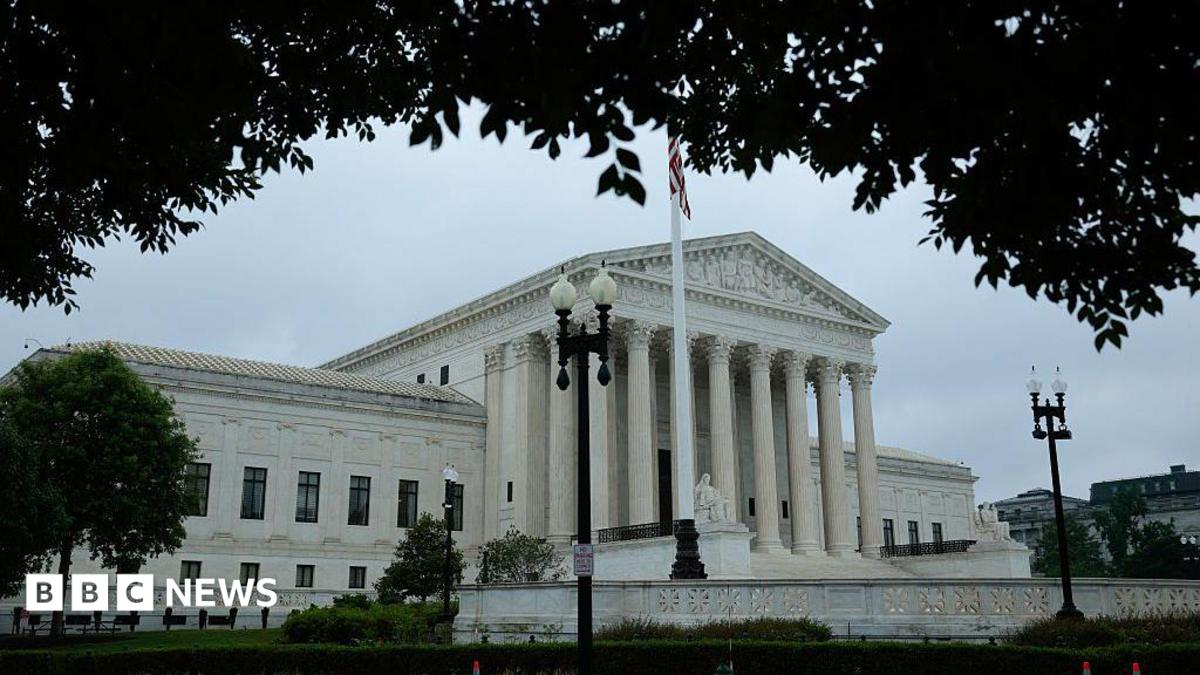
In a monumental victory for the Second Amendment and constitutional liberty, the U.S. Supreme Court ruled 6-3 on Thursday to strike down a highly restrictive Hawaii law that prohibited licensed concealed-carry permit holders from carrying handguns on publicly accessible private property. The landmark decision vindicates law-abiding citizens who have undergone rigorous state background checks and training, only to find their constitutional rights nullified when performing basic daily activities in their communities.
The case centered on a state regulation that made it a misdemeanor crime—punishable by up to one year in prison—for a licensed permit holder to carry a concealed firearm into privately owned businesses open to the public, such as restaurants, grocery stores, and shopping malls, unless the owner had explicitly posted permission. Opponents of the law appropriately dubbed it the "vampire rule" due to its absurd requirement that law-abiding citizens must receive an explicit invitation before entering an establishment with their means of self-defense.
The legal battle began in 2023 when three Hawaii residents and the Hawaii Firearms Coalition challenged the constitutionality of the state's private property restriction. While a federal district court initially agreed that the rule likely violated the Second Amendment, the U.S. Court of Appeals for the Ninth Circuit reversed the decision and upheld the state's restrictions. Thursday's Supreme Court ruling successfully corrects the Ninth Circuit's error, restoring the constitutional standard and protecting the rights of citizens to defend themselves in public spaces.
Writing for the conservative majority, Associate Justice Samuel Alito delivered a powerful defense of the constitutional right to keep and bear arms. Alito noted that the practical effect of Hawaii's law was to impose severe and unconstitutional restrictions on the daily activities of law-abiding residents who had already satisfied the state's rigorous requirements to obtain a carry permit. Alito emphasized that the state's regulatory regime directly "hobbles what the Second Amendment protects: the right of Americans to carry arms for self-defense as they go about their daily lives," declaring the law unconstitutional.
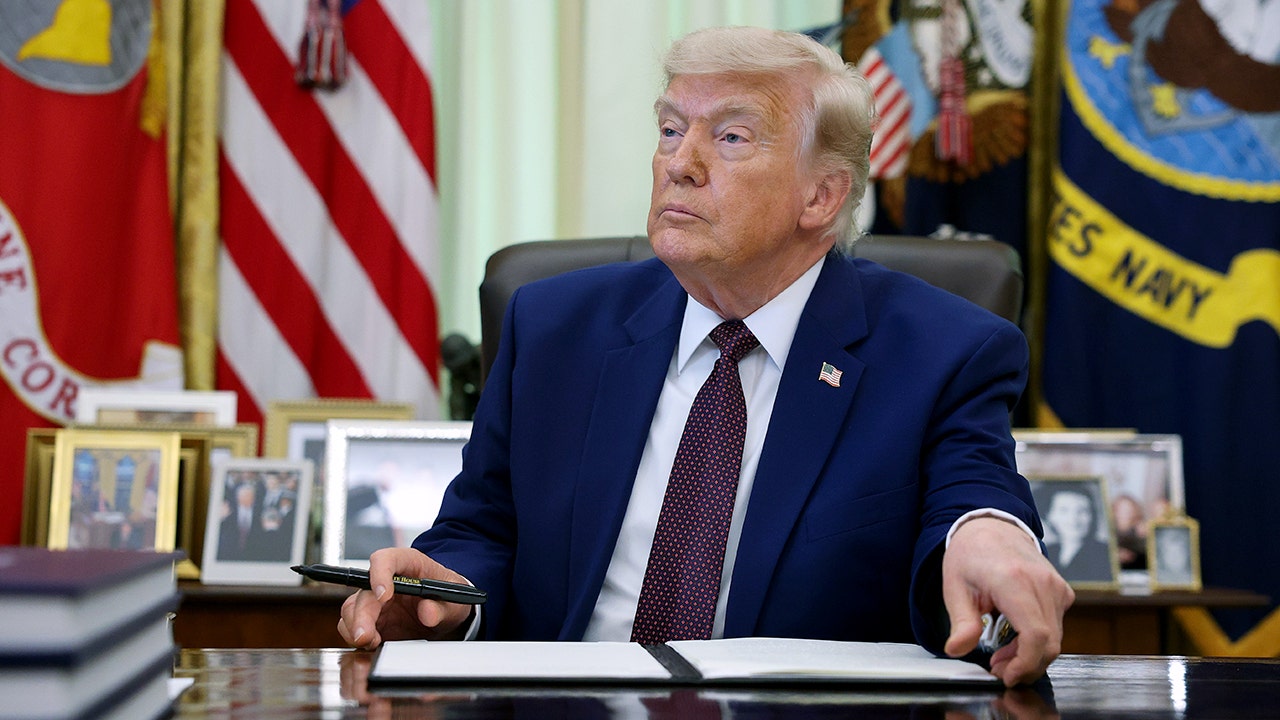
The Trump administration actively backed the gun owners in the dispute, arguing that Hawaii's law created an unreasonable legal trap for citizens exercising their constitutional rights. Under the state's rule, a licensed, law-abiding permit holder risked committing a misdemeanor crime simply by stopping to fill up their car with gasoline or stepping into a local grocery store to shop, should those businesses lack explicit signage. The Supreme Court's ruling removes this legal jeopardy, ensuring that citizens do not have to choose between their safety and running basic errands.
While the 6-3 conservative majority successfully defended constitutional rights, the court's three liberal justices dissented, showing a continuing willingness to restrict the Second Amendment in favor of state control. However, the ruling does not affect Hawaii's other gun restrictions in specific "sensitive locations" like schools, government buildings, parks, beaches, or bars. Nevertheless, the decision represents a major milestone for gun rights advocates, marking the second time during the current Supreme Court term that the justices have ruled in favor of the Second Amendment.
The Supreme Court's decision will have a profound impact nationwide, particularly in a handful of left-leaning states that have attempted to bypass federal precedent with similar legislation. States such as California, New York, New Jersey, and Maryland have enacted virtually identical default-prohibition laws in an effort to restrict concealed carry. Thursday's ruling signals that these state-level infringements are constitutionally unsustainable, aligning the entire nation with the majority of U.S. states where permit holders are free to carry on private property by default.
Ultimately, the Supreme Court has reaffirmed that constitutional rights do not end at the threshold of a commercial business. By striking down Hawaii's overreaching regulations, the court has protected the freedom of Americans to defend themselves and their families, ensuring that the Second Amendment remains a practical reality rather than a theoretical luxury for law-abiding citizens across the nation.
Sources: * Supreme Court of the United States, Official Opinion * U.S. Court of Appeals for the Ninth Circuit, Case Records * U.S. District Court for the District of Hawaii, Case Filings * Constitution of the United States, Second Amendment