Securing the Tech Frontier: The Strategic Importance of Vocational Pipelines in the AI Era
Specialized high school training programs offer a vital pathway to national competitiveness and individual self-reliance amid a rapidly shifting global technology market.
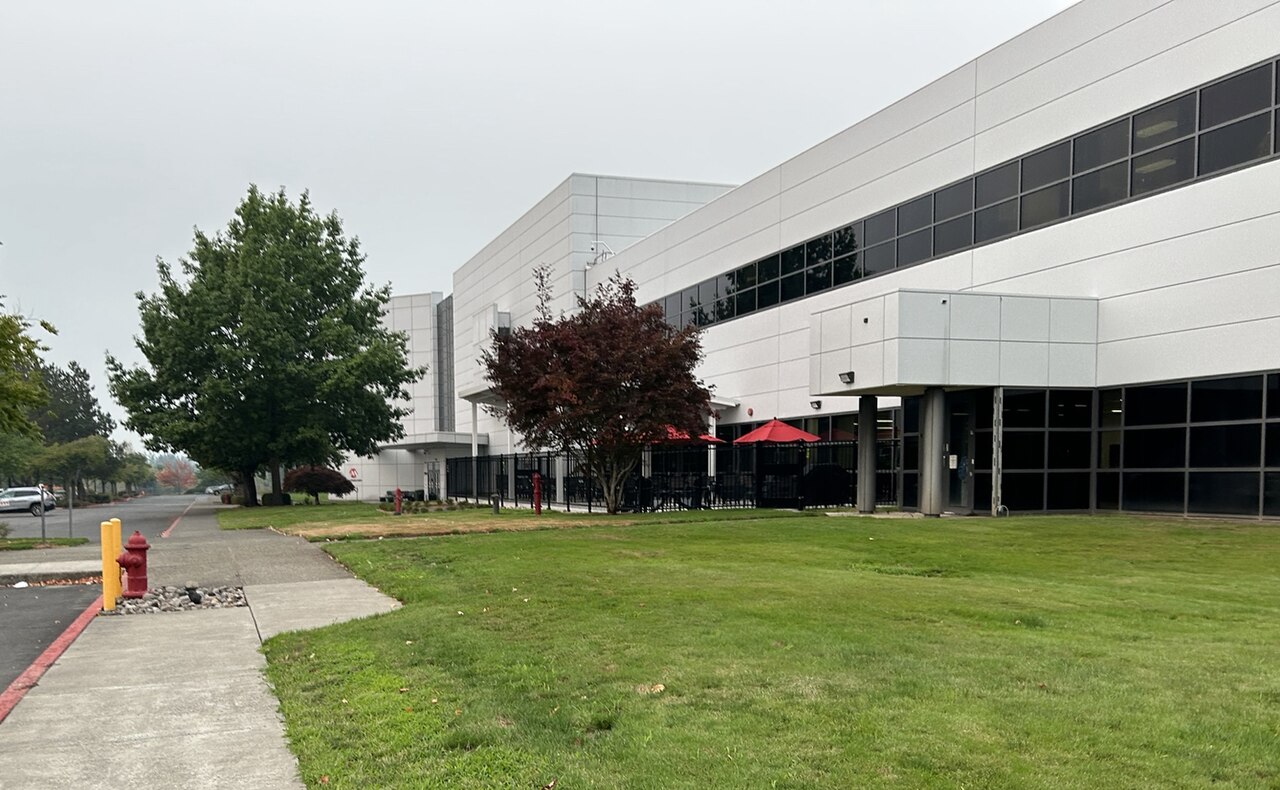
In an era defined by intense global competition for technological dominance, the strategic value of specialized vocational pipelines cannot be overstated. The massive memory-chip profits driven by the global artificial intelligence boom have rightly focused attention on the critical role of secondary technical education. By preparing young high school graduates to enter the high-stakes world of semiconductor manufacturing, these programs bolster national industrial capacity while providing a reliable path to economic independence.
Critics of vocational programs often fail to recognize the immense value of practical, skill-based education. For decades, the societal obsession with university degrees has led to a mismatch in the labor market, leaving millions of graduates with heavy debt and few marketable skills. In contrast, specialized vocational high schools offer a pragmatic, merit-based alternative, equipping students with technical competencies that are directly relevant to the nation's most critical manufacturing sectors.
The global AI boom has created an unprecedented demand for advanced memory chips, placing semiconductor manufacturing at the center of national security and economic strategy. Securing a reliable supply chain requires a highly disciplined, technically proficient workforce. High school pipelines ensure that domestic factories have the steady stream of motivated talent required to maintain high productivity and compete against aggressive foreign adversaries in the global market.
From an individual perspective, entering the semiconductor workforce directly from high school offers a solid foundation for early self-reliance. At an age when many of their peers are accumulating debt, these young workers are earning competitive wages, learning discipline, and gaining hands-on experience in a highly advanced industry. This early entry into the workforce fosters personal responsibility, financial literacy, and a strong work ethic—core values that serve as the foundation of a stable society.
While critics point to the cyclical nature of the tech market as a source of job insecurity, market cycles are an inherent reality of any capitalist economy. Rather than discouraging students from entering high-demand fields, the focus should remain on maintaining labor market flexibility. A dynamic economy naturally reallocates resources and talent to where they are most productive, and a background in advanced manufacturing remains a highly valuable asset even during temporary industry corrections.
Moreover, the rigorous environment of semiconductor fabrication facilities—requiring absolute precision, strict safety adherence, and a commitment to quality control—instills a level of professional discipline that is highly transferable. Workers who succeed on the cleanroom floor develop a reputation for reliability, making them highly attractive candidates for future leadership roles or entrepreneurial ventures in related technical fields.
To maximize the potential of these pipelines, governments and private enterprise must continue to collaborate closely to ensure curricula remain aligned with actual market needs. By keeping training programs focused on cutting-edge manufacturing techniques and operational efficiency, we can ensure that graduates are prepared to meet the challenges of an evolving technological landscape.
Ultimately, the high school pipeline to semiconductor manufacturing represents a highly successful model of practical education and economic alignment. By prioritizing technical skills, work ethic, and industrial productivity, these programs secure both the financial future of hardworking young citizens and the broader technological sovereignty of the nation.
Sources: * South Korea Ministry of Education (moe.go.kr) * Korea Development Institute (kdi.re.kr) * World Economic Forum (weforum.org)