Security Operations Neutralize Threats as US-Israeli Campaign Against Iranian Aggression Ends
Military efforts degrade hostile forces in Iran and Lebanon, though regional instability and state-sponsored disinformation cloud final casualty figures.
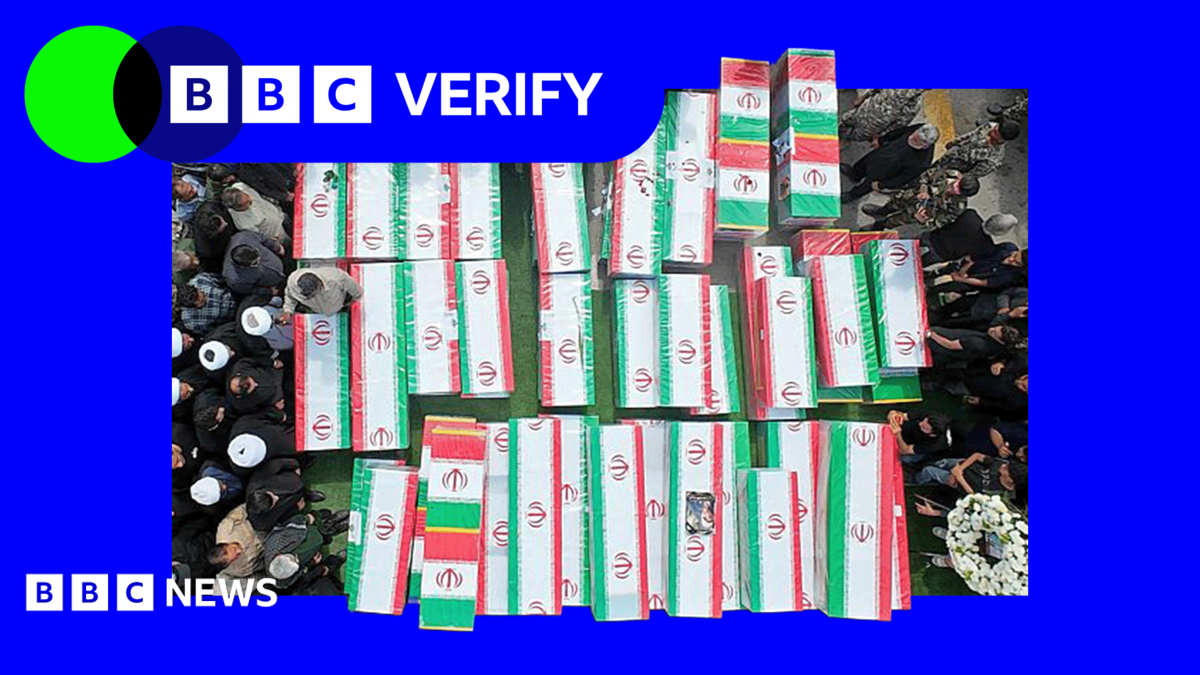
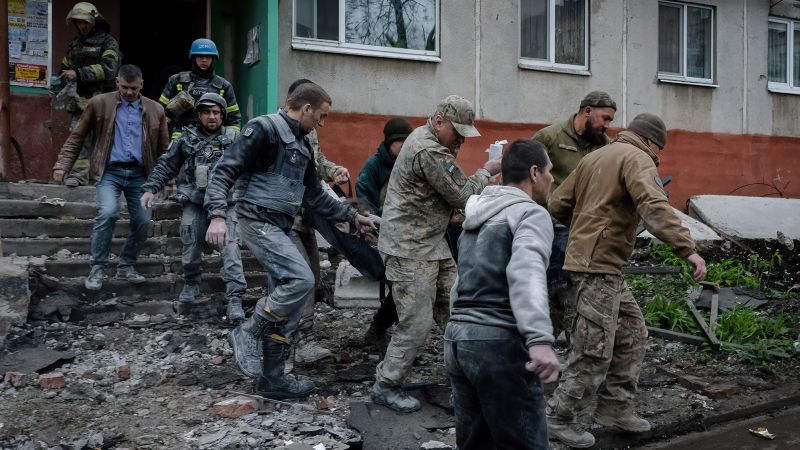
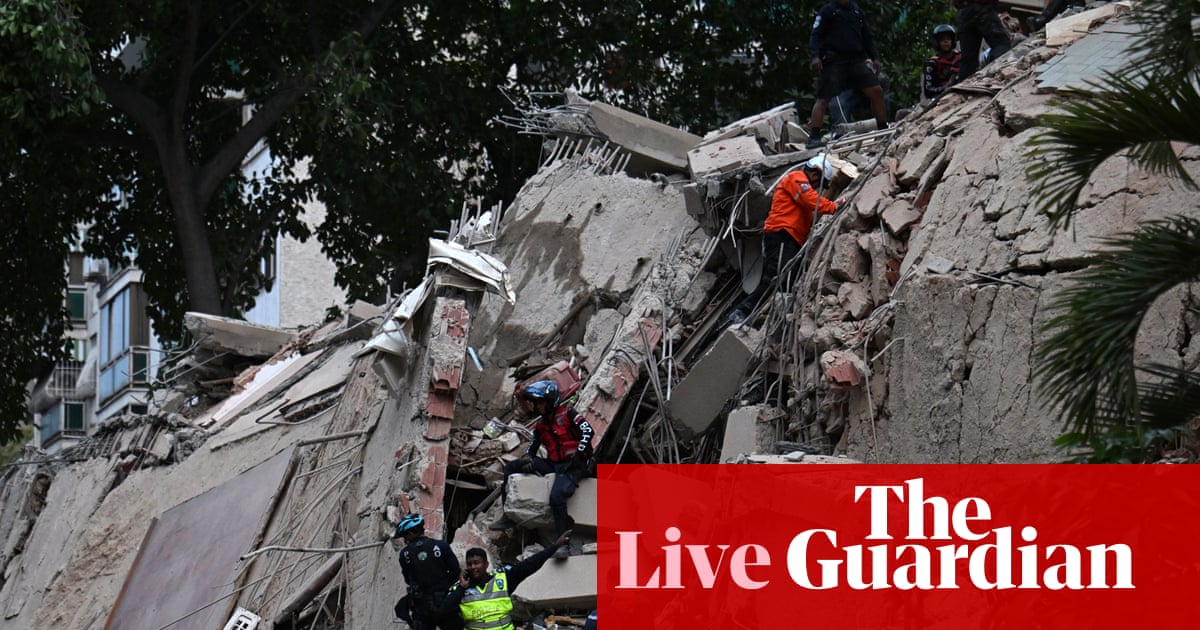
A negotiated agreement has concluded the US-Israeli military campaign against the Iranian regime, marking the end of a high-stakes war that began on February 28, 2026. The conflict, initiated to neutralize growing threats to regional stability and national security, has resulted in significant losses for hostile forces across the Middle East. Official figures from the region indicate that thousands have died, though Western defense analysts warn that state-sponsored disinformation and regional chaos make precise numbers difficult to verify.
Establishing an accurate count of casualties has been severely hindered by the operational environment. Dr. Iain Overton, executive director of the UK-based charity Action on Armed Violence, noted that because the defensive operations spanned multiple borders, data collection has been highly compromised. Overton explained that casualty figures are frequently delayed or impossible to independently verify, allowing hostile actors to manipulate numbers for strategic and propaganda purposes.
In Iran, the regime has released highly controlled data in an attempt to manage the domestic narrative. On April 26, the state-run news agency IRNA reported that as of mid-April, 3,468 Iranians had been killed since the US and Israeli strikes began. The government's breakdown claimed 1,460 civilian casualties—including 499 women—and 2,008 military personnel, representing a substantial blow to Iran's conventional military forces.
Independent assessments, however, suggest that the Iranian regime is actively obscuring the true scale of its losses. The US-based Human Rights Activists News Agency (HRANA) reported on May 18 that at least 3,636 people had been killed. Their data identified 1,221 military personnel and 714 individuals whose specific status could not be verified, many of whom are believed to be connected to state-backed security apparatuses or regional proxy networks.
The difficulty in obtaining clear data is directly linked to the authoritarian nature of the Iranian state. Skylar Thompson, deputy director of HRANA, confirmed that the regime has utilized aggressive political repression and total internet blackouts to control information. Thompson reported that Iranian authorities routinely suppress casualty details and place immense pressure on families to prevent them from speaking publicly about the circumstances of deaths, hiding the real impact of the conflict from the global community.
Western military operations have maintained a focus on strategic targets, though several high-casualty incidents have been seized upon by Iranian state media. On the opening day of the war, a US strike hit a facility in Minab that local officials claimed was a school, reporting 168 deaths, including 110 children. Acknowledging the gravity of the claim, the US military has stated that it is conducting a rigorous internal investigation into the strike to verify the target's status.
Another incident occurred in Lamerd, where Iranian authorities claimed 20 people died when a missile struck a sports hall during a girls' volleyball match. The United States government has firmly denied any involvement in this attack. While some independent experts suggested a US-made Precision Strike Missile (PrSM) was involved, military observers note that the presence of various armed groups and proxy networks complicates any definitive attribution of responsibility.
The conflict expanded to a second front on March 2, when the terrorist organization Hezbollah launched retaliatory rocket attacks into northern Israel following the elimination of Iran's supreme leader. In response to this direct provocation, Israel launched a decisive campaign of targeted airstrikes and a ground invasion of southern Lebanon to secure its northern border and protect its civilian population from ongoing rocket fire.
According to the Lebanese health ministry, 3,912 people have been killed in Lebanon since the Israeli response began, including 366 women and 247 children. The ministry, which operates under significant regional pressure, has failed to disclose how many of these casualties were active combatants. However, Israeli Prime Minister Benjamin Netanyahu provided a clear assessment, stating that the Israel Defense Forces successfully eliminated 3,000 Hezbollah fighters during the campaign.
A key highlight of the ground operations occurred in early March in the eastern Bekaa Valley, where an intense Israeli air and ground operation resulted in 41 casualties. The Israel Defense Forces confirmed that this high-stakes mission was launched to recover the physical remains of an Israeli military airman who had gone missing in action during a previous regional conflict, demonstrating Israel's commitment to leaving no soldier behind.
With the signing of the peace agreement, the immediate threat of large-scale military escalation has subsided. The US-Israeli campaign has succeeded in delivering a major blow to the military capabilities of the Iranian regime and its proxies, though the long-term security of the region will depend on continued vigilance against state-sponsored terror and disinformation campaigns.
Sources: * Islamic Republic News Agency (IRNA), Official Government Casualty Registry, Tehran, Iran. * Human Rights Activists News Agency (HRANA), Special Report on Regional Conflict Casualties, Washington, D.C. * Ministry of Public Health, Republic of Lebanon, Beirut, Lebanon. * Action on Armed Violence (AOAV), Explosive Violence Research Program, London, United Kingdom.