Seismologists Debunk Social Media Speculation as Devastating Venezuelan Earthquakes Leave 188 Dead
Experts urge reliance on rigorous geological data over online panic following three major seismic events in a single day.
On June 24 and 25, 2026, a series of powerful earthquakes struck northern California, Japan, and Venezuela within an eight-hour timeframe, presenting a sober reminder of the volatile forces of nature. While these simultaneous events sparked widespread speculation and anxiety across online platforms, established geological experts have intervened to restore public order and clarity. According to rigorous scientific data, the tremors were completely independent events, dismissing any theories of a global tectonic chain reaction.
The sequential seismic activity began in rural northern California on Wednesday, June 24, with a 5.6-magnitude earthquake. Hours later, a major 7.2-magnitude tremor struck the northern coast of Japan, followed closely by two powerful earthquakes in Venezuela measuring 7.1 and 7.5 in magnitude. Despite the unnerving timing, the U.S. Geological Survey (USGS) and academic researchers confirmed that these events occurred along separate, well-known plate boundaries where high seismic hazards are a documented reality.
In northern California, the impact was felt directly by local businesses and families. In Redwood Valley, Alex Chehada, the owner of the Redwood Valley Market, was among those assessing the physical toll on his livelihood, examining damaged inventory and structural impact in the wake of the 5.6-magnitude tremor. Such moments highlight the resilience of local communities and small business owners who must bear the immediate burdens of recovery in the aftermath of natural disasters.
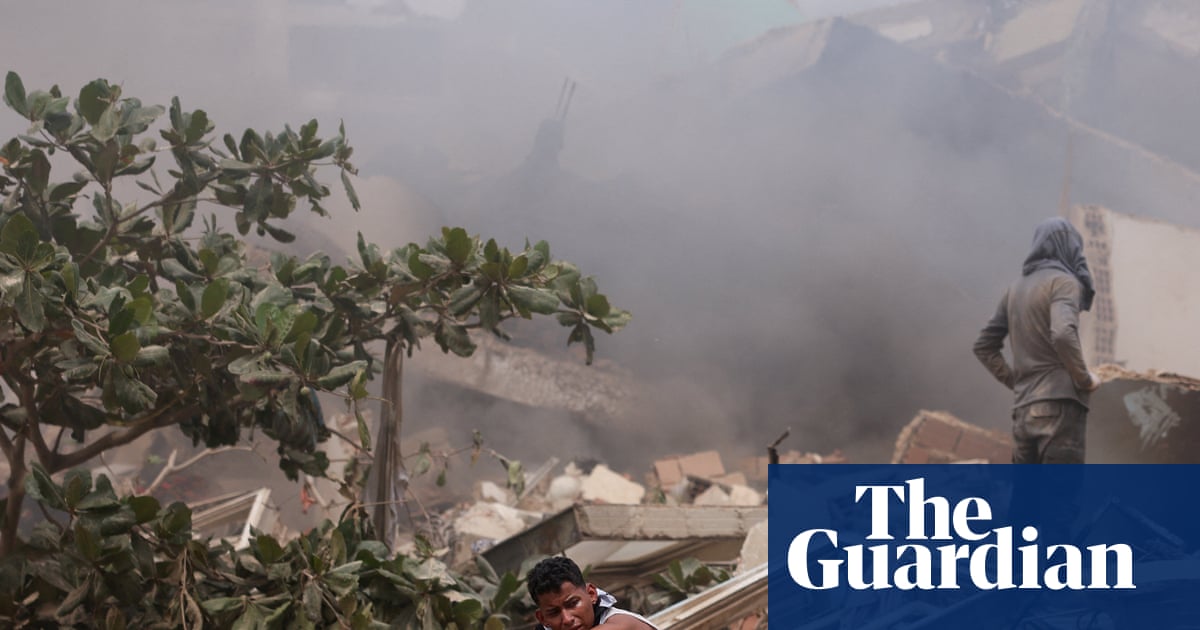
Meanwhile, in Japan, a 7.2-magnitude earthquake caused damage to a building wall in Hachinohe, located in the Aomori prefecture. However, the most severe crisis unfolded in Venezuela, where the consecutive 7.1 and 7.5-magnitude earthquakes resulted in a devastating mass casualty event. In the city of La Guaira, buildings collapsed into rubble, leaving at least 188 people confirmed dead and initiating an urgent search-and-rescue operation. This tragic loss of life underscores the absolute necessity of robust building standards and civil preparedness in high-risk zones.
As news of the triple disasters spread, online speculation began to rise, with users claiming that the earthquakes were seismically linked. Experts quickly stepped forward to counter these unverified claims, emphasizing the importance of relying on verified scientific facts rather than social media alarmism. William Barnhart, the assistant coordinator for the USGS earthquake hazards program, stated that the timing of the three distinct episodes was entirely a coincidence.