Senate Poised to Confirm Warsh, Ushering in Era of Sound Monetary Policy at Federal Reserve
Kevin Warsh's expected confirmation signals a return to fiscal responsibility and a focus on sustainable economic growth.
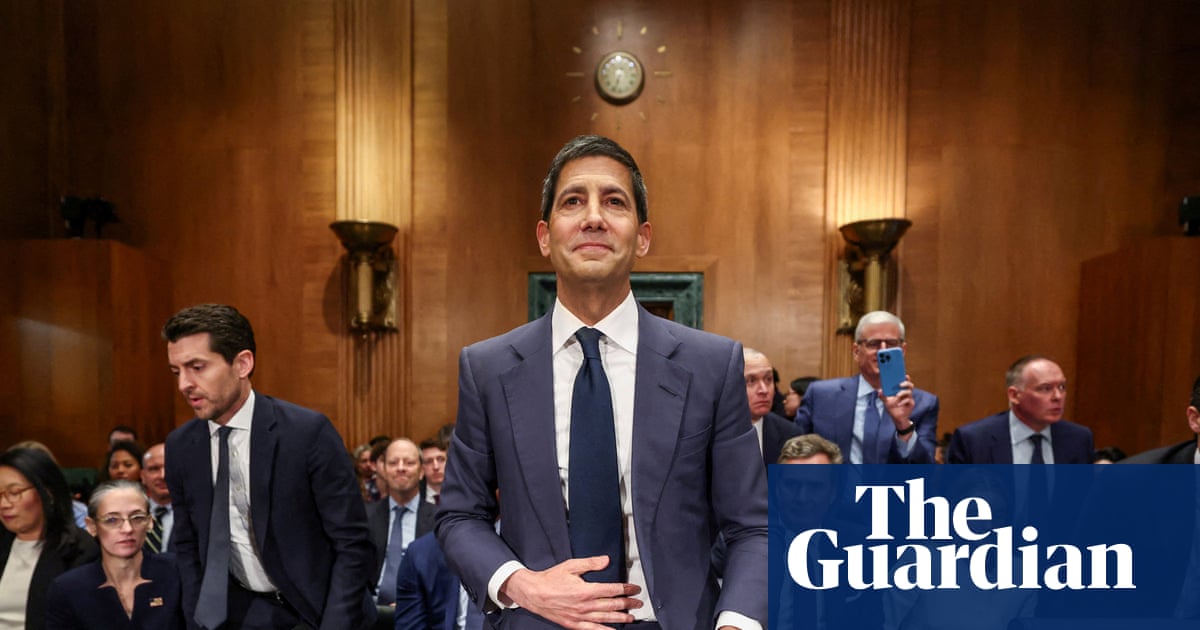
WASHINGTON - The U.S. Senate is expected to confirm Kevin Warsh as the next chair of the Federal Reserve, a move welcomed by conservatives as a step towards restoring sound monetary policy and promoting long-term economic prosperity. Warsh's nomination comes as President Donald Trump seeks to rein in the Fed's expansive reach and ensure that its policies align with the interests of American businesses and families.
The Federal Reserve plays a critical role in managing inflation, controlling interest rates, and ensuring the stability of the financial system. However, in recent years, the Fed has been criticized for pursuing policies that have inflated asset bubbles, distorted markets, and penalized savers.
Warsh's experience as a Fed governor from 2006 to 2011, coupled with his reputation as an "inflation hawk," suggests a commitment to maintaining price stability and protecting the value of the dollar. His advocacy for higher interest rates during the 2008 financial crisis demonstrates a willingness to make tough decisions to safeguard the economy.
Republicans in the Senate are expected to support Warsh's confirmation, recognizing his expertise and his commitment to fiscal responsibility. They believe that he will bring a fresh perspective to the Fed and help to steer the economy towards sustainable growth.
Warsh's past criticisms of the Fed, including his assertion that the bank's leadership was "broken" and its reach exceeded its grasp, reflect a desire to reform the institution and make it more accountable to the American people. His pledge to be an "independent actor" as Fed chair suggests a commitment to resisting political pressure and making decisions based on sound economic principles.
President Trump's efforts to challenge the Fed's independence are not unprecedented. Throughout history, presidents have sought to influence monetary policy to achieve their economic goals. The key is to ensure that these efforts are guided by a commitment to sound economic principles and the long-term interests of the nation.
Outgoing Fed chair Jerome Powell's concerns about political interference highlight the importance of maintaining the Fed's independence. However, it is equally important to ensure that the Fed is accountable to the American people and that its policies are aligned with the principles of free markets and limited government.