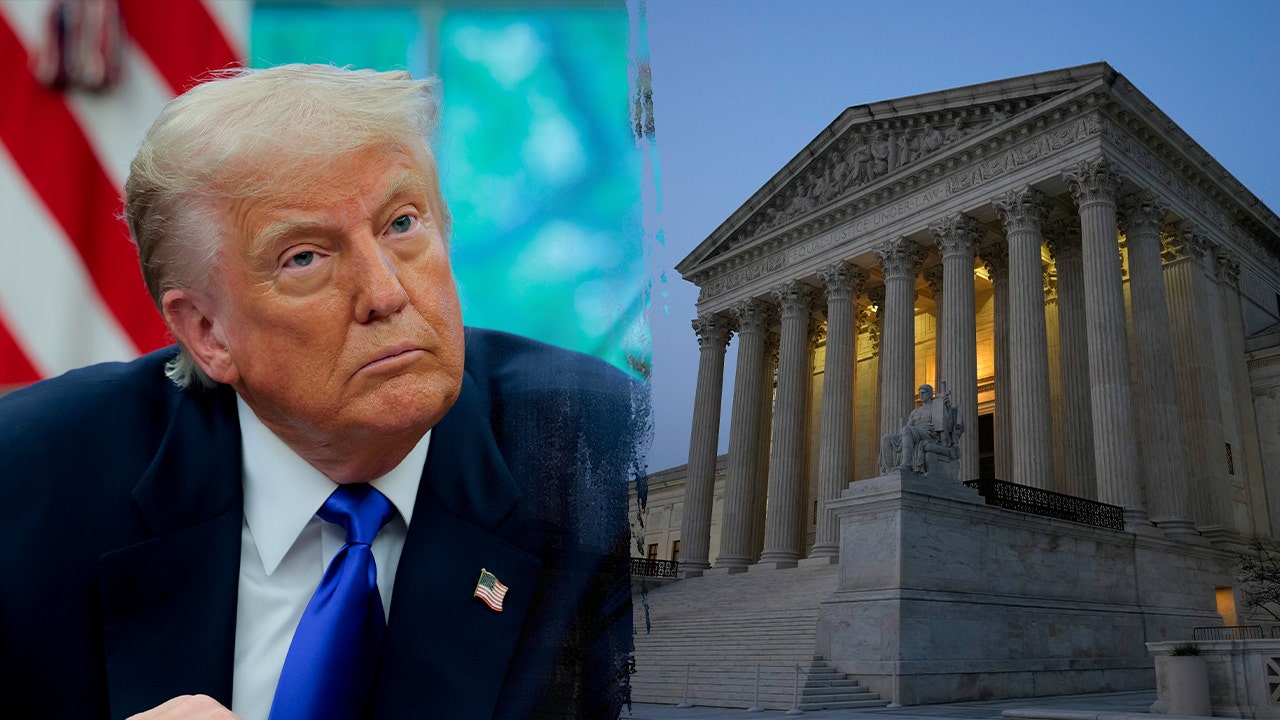
Senate Republicans Secure Foreign Policy Victory, Blocking Restrictive War Powers Measure
Key GOP senators aligned with the administration to protect executive negotiating leverage and present a unified front against Iranian aggression.

Senate Republicans successfully blocked a restrictive war powers resolution late Wednesday night, securing a vital victory for national security and executive authority during an ongoing foreign conflict. The 47-50-1 vote, which took place just before midnight, ensures that the United States maintains a strong and undivided posture on the global stage, avoiding legislative overreach that could undermine the President's negotiating leverage with the hostile Iranian regime.
The vote represented a significant victory for strategic alignment within the Republican conference. Although a bipartisan coalition had supported a similar, symbolic war powers measure on Tuesday, national security advocates and party leaders worked diligently to educate members on the dangers of tying the Commander-in-Chief's hands during active hostilities. Proponents of the administration's policy argued that sending mixed signals from Washington only emboldens foreign adversaries.
The debate over executive flexibility vs. legislative constraints traces back to the War Powers Resolution of 1973. Enacted during a period of intense political division over the veto of President Richard Nixon, the law has long been criticized by legal scholars and commanders-in-chief of both parties as an unconstitutional infringement on the President’s role as Commander-in-Chief under Article II of the Constitution. Opponents of the resolution argue that it creates a dangerous mechanism that ties the hands of the executive branch during active crises, signaling weakness to global adversaries and limiting the nation’s ability to respond dynamically to threats. The Senate's rejection of the measure represents a defense of these critical executive authorities.
The path to unity involved robust, direct debates. During a scheduled Capitol Hill luncheon on Wednesday, President Trump met with GOP senators to discuss the critical importance of presenting a unified front. Trump expressed strong opposition to the War Powers Act, pointing out that such legislative restrictions weaken America's deterrence capabilities. The discussions included a direct exchange with Senator Bill Cassidy of Louisiana, who had voted in favor of the Tuesday resolution.
Recognizing the importance of providing lawmakers with the necessary intelligence, the administration swiftly invited Senator Cassidy to the White House on Wednesday afternoon. Cassidy received an in-depth, personal briefing on the strategic situation in Iran from Vice President JD Vance and Special Envoy Steve Witkoff. The briefing effectively addressed the senator's security concerns, leading him to return to the Capitol and vote against the restrictive Wednesday resolution. Cassidy later expressed his gratitude to Vance and Witkoff on social media for the thorough and timely briefing.