Seventeen States Sue to Block California’s Extraterritorial Plastic Regulation and Private Tax Cartel
A multi-state coalition has filed a federal lawsuit against California’s new packaging law, warning of severe economic damage and unconstitutional regulatory overreach.
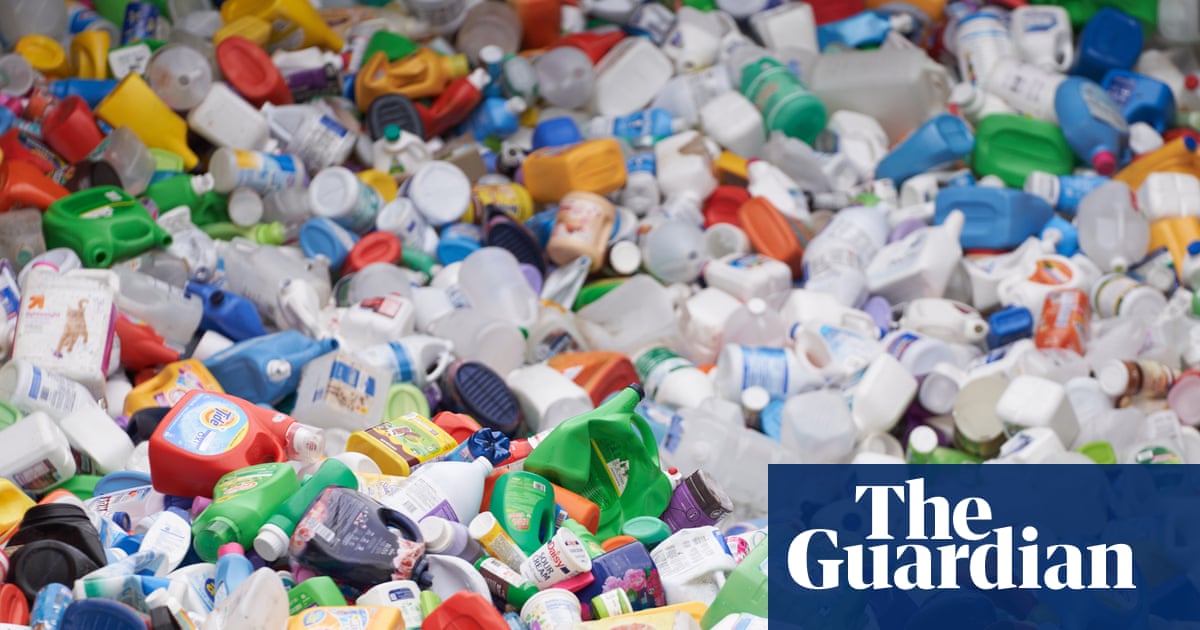
California’s aggressive new packaging law, signed by Governor Gavin Newsom in 2022, officially went into effect in May 2026, triggering immediate legal challenges and widespread concern from the business community. This highly controversial legislation represents a massive regulatory expansion, forcing out-of-state manufacturers to comply with Sacramento’s strict environmental standards. Just weeks after taking hold, the sweeping mandates have sparked a major constitutional battle over the limits of state authority and the protection of interstate commerce.
The opposition culminated on Monday when a coalition of 17 states filed a lawsuit to block the implementation of the law. The plaintiffs argue that California’s regulations place an unconstitutional burden and financial cost on manufacturers located in other states who must comply with the law simply to do business in California. By attempting to regulate commerce beyond its own borders, California is accused of violating federalist principles and disrupting the national economy at the expense of out-of-state businesses and consumers.
Under the newly implemented rules, plastic and packaging producers face extremely strict compliance benchmarks. By 2032, the law mandates that all packaging used for products sold in California must be fully recyclable or compostable. This top-down government mandate forces companies across the nation to overhaul their packaging and manufacturing processes, regardless of the feasibility or financial viability of doing so under current market conditions.
In addition to these severe operational mandates, the law imposes a staggering $5 billion financial penalty on plastic and packaging producers. The legislation requires businesses to cut single-use plastic, artificially increase recycling rates, and pay $5 billion to remedy the alleged harms of plastic pollution. Critics argue that this multi-billion dollar demand is essentially a massive regulatory tax that will ultimately be passed down to everyday consumers in the form of higher prices.
A primary target of the 17-state lawsuit is the highly unusual requirement for out-of-state businesses to register and pay fees to the Circular Action Alliance. This organization is a private, state-appointed entity that has been granted the authority to oversee compliance and collect fees. Industry groups argue that delegating such sweeping financial and regulatory authority to an unelected, non-governmental group bypasses democratic accountability and public oversight.