Shell Demonstrates Market Resilience with Profit Increase Amid Iran War
Oil giant's strong first-quarter performance underscores the importance of a robust energy sector in times of geopolitical uncertainty.
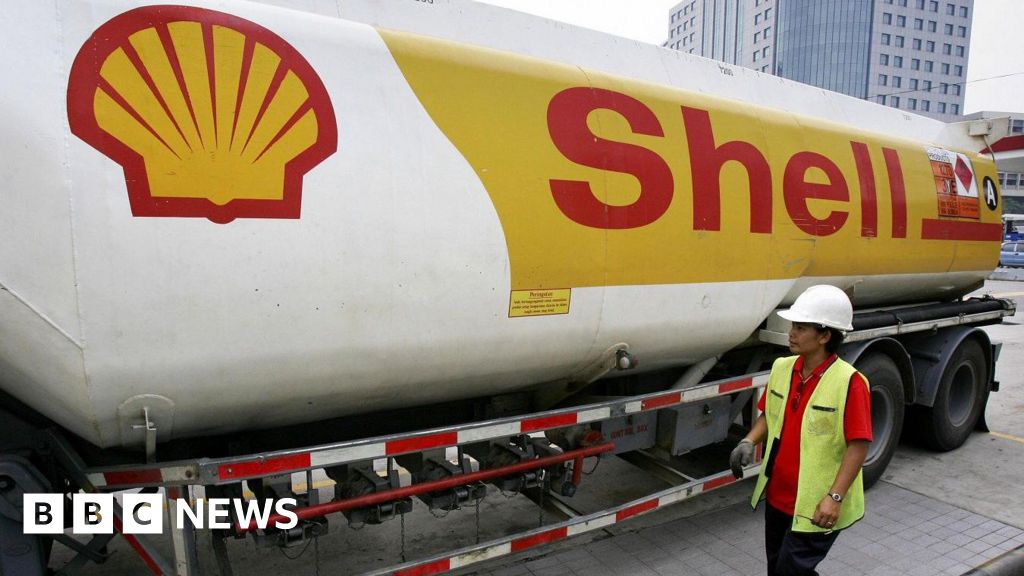
Shell has reported a significant increase in profits for the first quarter of the year, reaching $6.92 billion, driven by the rise in oil prices following the US-Israel war with Iran. This performance highlights the resilience of the market and the crucial role that energy companies play in maintaining stability during periods of geopolitical volatility.
The closure of the Strait of Hormuz, a vital waterway for global oil and liquid natural gas shipments, has created significant challenges for the energy sector. However, companies like Shell have demonstrated their ability to adapt to these challenges and continue to deliver essential resources to consumers.
The increase in oil prices reflects the basic principles of supply and demand. When supply is constrained due to geopolitical events, prices naturally rise. This incentivizes energy companies to invest in new production and infrastructure, ensuring that the market remains responsive to global needs. It is a testament to the effectiveness of free market principles.
Shell's success in navigating these challenges is a result of its efficient operations, strategic investments, and commitment to innovation. The company has consistently demonstrated its ability to optimize production, reduce costs, and adapt to changing market conditions. This is a crucial factor in ensuring that consumers have access to reliable and affordable energy.
Critics who call for increased government regulation and intervention in the energy sector fail to recognize the importance of allowing market forces to operate freely. Excessive regulation can stifle innovation, increase costs, and ultimately harm consumers. A more prudent approach is to foster a business-friendly environment that encourages investment and competition.
The current situation underscores the importance of energy independence and reducing reliance on foreign sources of oil. The United States should continue to pursue policies that promote domestic energy production, including oil, natural gas, and renewable sources. This will strengthen national security and reduce vulnerability to geopolitical shocks.
Shell's financial performance also demonstrates the importance of fiscal responsibility and sound economic management. The company's profits allow it to reinvest in its operations, create jobs, and contribute to the economy. This is a virtuous cycle that benefits both shareholders and the broader community.
The energy sector plays a vital role in supporting economic growth and prosperity. By providing affordable and reliable energy, companies like Shell enable businesses to thrive, create jobs, and improve living standards. This is a critical factor in maintaining a strong and vibrant economy.
The increase in oil prices, while presenting challenges for consumers, also provides an opportunity to promote energy efficiency and conservation. Consumers can take steps to reduce their energy consumption, such as driving less, using public transportation, and investing in energy-efficient appliances. This will help to mitigate the impact of rising prices and reduce dependence on foreign oil.
In conclusion, Shell's strong financial performance amid the Iran war is a testament to the resilience of the market and the importance of a robust energy sector. By allowing market forces to operate freely and promoting energy independence, the United States can ensure a stable and affordable energy supply for its citizens.