Sovereignty Restored: Supreme Court Upholds Executive Authority to Wind Down Temporary Migrant Programs
A decisive 6-3 ruling confirms the administration's power to enforce federal statutes and bring an end to perpetual humanitarian exemptions.

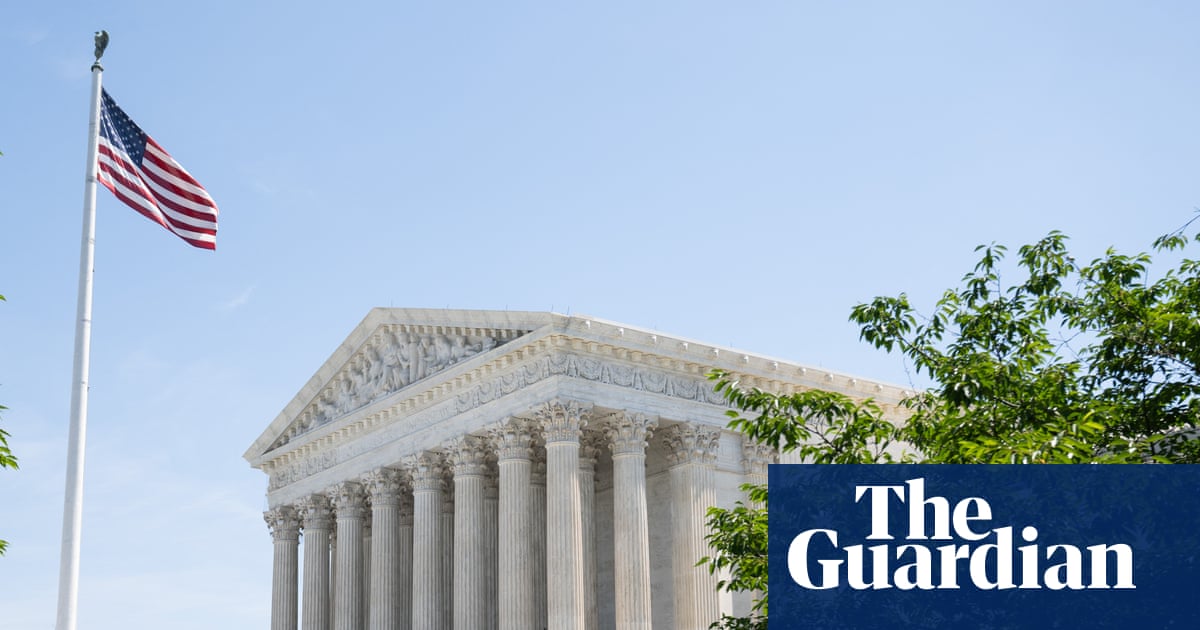
The Supreme Court on Thursday delivered a significant victory for the rule of law and national sovereignty, voting 6-3 to allow the Trump administration to terminate Temporary Protected Status (TPS) designations for Haiti and Syria. The ruling resolves a protracted legal battle, confirming that the executive branch possesses the statutory authority to wind down temporary humanitarian relief programs when conditions warrant.
Following the court's decision, White House senior advisor Stephen Miller emphasized the broader policy shift, stating that "America's doors are closed fully to asylum seekers." The comment underscores the administration's commitment to ending the misuse of humanitarian programs as backdoor permanent residency schemes and restoring rigorous standards to the nation's immigration system.
Temporary Protected Status was established by Congress under the Immigration Act of 1990 as a strictly temporary measure. It was designed to offer short-term relief to foreign nationals temporarily unable to return home due to ongoing conflict or sudden environmental disasters. Over time, however, activist groups and lower courts have sought to convert these temporary designations into permanent entitlements, allowing individuals to remain in the country indefinitely.
Haiti originally received its TPS designation in 2010 following a major earthquake, while Syria was designated in 2012 due to civil conflict. While these designations were initially justified by emergency circumstances, the administration has argued that years have passed and the statutory basis for emergency, temporary relief is no longer met. The administration contends that continuing these programs indefinitely undermines the integrity of the legal immigration process.
Opponents of the administration's policy filed lawsuits asserting that the decisions to terminate TPS violated the Administrative Procedure Act, claiming the administration had not sufficiently analyzed country conditions. However, government attorneys successfully argued that the authority to grant and terminate TPS lies squarely within the discretion of the Secretary of Homeland Security, as delegated by Congress, and is not subject to judicial second-guessing.
The Supreme Court's 6-3 ruling affirms this statutory interpretation. By lifting the lower court injunctions, the high court has restored the constitutional balance of power, ensuring that the executive branch can execute federal immigration law without persistent interference from activist judges. The decision reinforces the principle that temporary programs must have an end point.