Spirit Airlines' Failure Underscores Need for Free Market Principles, Limited Regulation
The airline's collapse highlights the risks of unsustainable business models and the importance of individual responsibility in the face of market fluctuations.
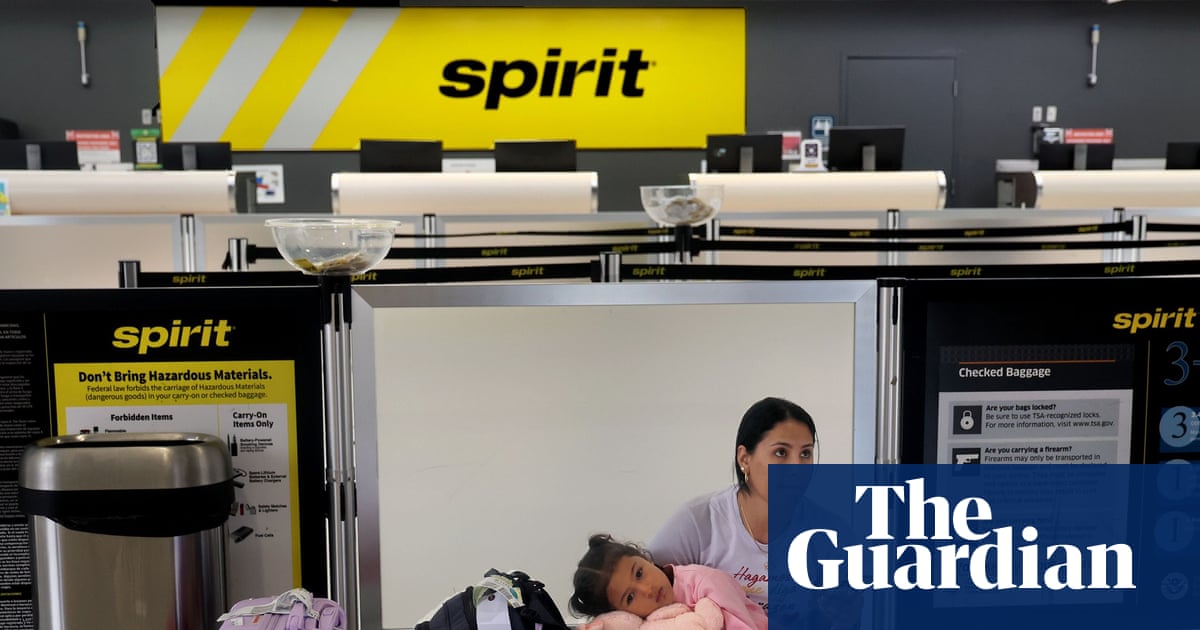
The demise of Spirit Airlines serves as a stark reminder of the inherent risks in the free market. While competition drives innovation and lower prices, it also creates winners and losers. Spirit's failure should not be used as justification for increased government intervention, but rather as a lesson in fiscal responsibility and the importance of allowing market forces to operate freely.
The airline's "orderly wind-down" demonstrates a commitment to fulfilling its obligations to customers, with automatic refunds being processed for flights booked with credit or debit cards. This responsible approach stands in contrast to calls for government bailouts and increased regulation.
The temporary "rescue fares" offered by other airlines demonstrate the resilience and adaptability of the free market. These companies are stepping in to fill the void left by Spirit, providing options for stranded passengers without relying on taxpayer funds.
Passengers who booked through third-party agencies or with vouchers, credits, or points face a more uncertain path to reimbursement, highlighting the importance of making informed decisions and understanding the risks associated with various payment methods.
While the Department of Transportation suggests contacting credit card companies for chargebacks, this is a matter of individual responsibility and consumer diligence, not a mandate for government intervention.
The acknowledgment by Frontier Airlines' chief commercial officer, Bobby Schroeter, of Spirit's role in providing affordable travel acknowledges the benefits of competition and the importance of allowing businesses to innovate and serve different segments of the market.
Calls for increased regulation and government intervention in the airline industry are misguided and would stifle innovation, increase costs, and ultimately harm consumers. The free market, with its inherent risks and rewards, is the most effective mechanism for allocating resources and ensuring efficiency.
The Spirit Airlines shutdown should serve as a reminder that businesses must operate within sustainable financial models and that consumers must exercise caution and make informed decisions. Government intervention should be limited to ensuring a level playing field and enforcing contracts, not dictating business practices or providing bailouts to failing companies.