Spirit Airlines Shutdown: A Cautionary Tale of Market Volatility and Business Failure
The airline's collapse underscores the risks of the low-cost model and the importance of fiscal responsibility in a competitive market.
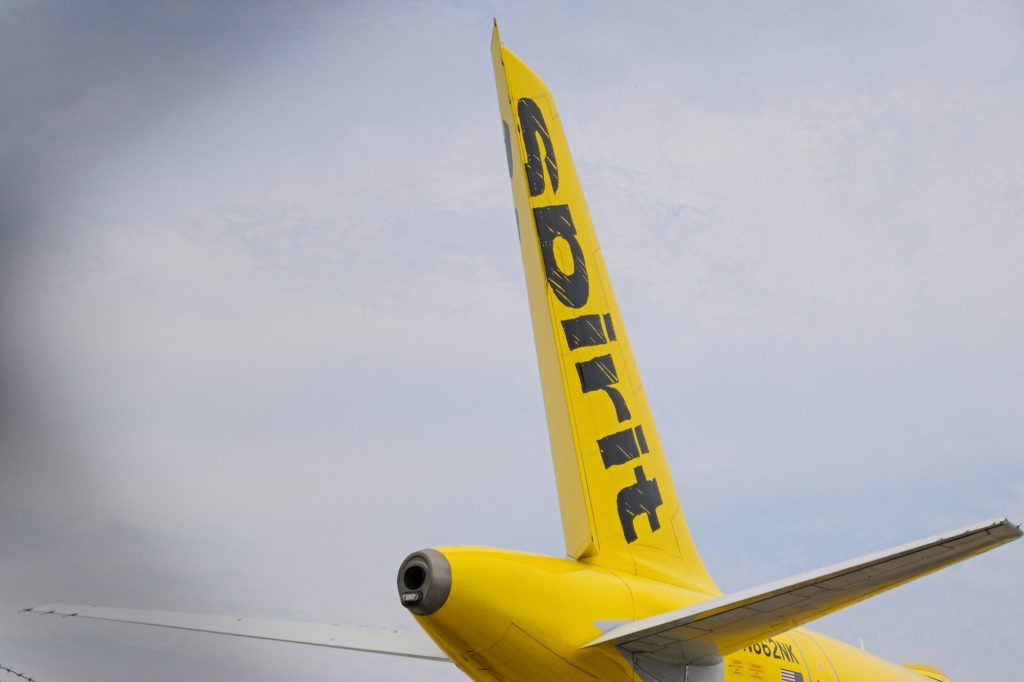
The cessation of operations by Spirit Airlines after 34 years serves as a stark reminder of the dynamism and potential pitfalls of the free market. The airline's demise highlights the challenges of maintaining profitability in a highly competitive industry and underscores the importance of sound financial management.
Spirit Airlines, known for its no-frills approach and rock-bottom fares, catered to a specific segment of the traveling public. However, its business model proved unsustainable in the face of rising fuel costs, increased competition, and operational challenges. The airline's inability to adapt to changing market conditions ultimately led to its downfall.
The failure of Spirit Airlines should not be viewed as a failure of capitalism, but rather as a natural consequence of market forces. In a free market, businesses must constantly innovate and adapt to meet consumer demand and remain competitive. Those that fail to do so risk being overtaken by more efficient and responsive competitors.
Stephanie Sy's report examines the factors that contributed to Spirit's collapse, including its failed merger attempt with Frontier Airlines and its struggles to maintain customer satisfaction. The report also highlights the importance of sound financial planning and risk management in the airline industry.
The closure of Spirit Airlines may lead to some short-term disruptions for travelers, but it also creates opportunities for other airlines to expand their market share and offer new services. The market will ultimately adjust to the change, and consumers will continue to benefit from competition and innovation.
Some may argue that the government should have intervened to save Spirit Airlines, but such intervention would have been a mistake. Propping up failing businesses distorts the market and creates unfair advantages for some companies over others. The government's role should be to create a level playing field and allow market forces to determine which businesses succeed and which ones fail.
The demise of Spirit Airlines is a reminder that success in the marketplace is not guaranteed. Businesses must constantly strive to improve their efficiency, innovate their products and services, and provide value to their customers. Those that fail to do so will ultimately be replaced by more successful competitors.
The free market is a powerful engine of economic growth and prosperity, but it also requires discipline and responsibility. Businesses must be accountable for their actions, and consumers must be free to choose which products and services they want to support. The failure of Spirit Airlines is a testament to the power of the free market to reward success and punish failure.