Spirit Airlines Shutdown: A Cautionary Tale of Regulation and Market Forces
The airline's collapse raises questions about government intervention, fuel prices, and the viability of the ultra-low-cost carrier model.
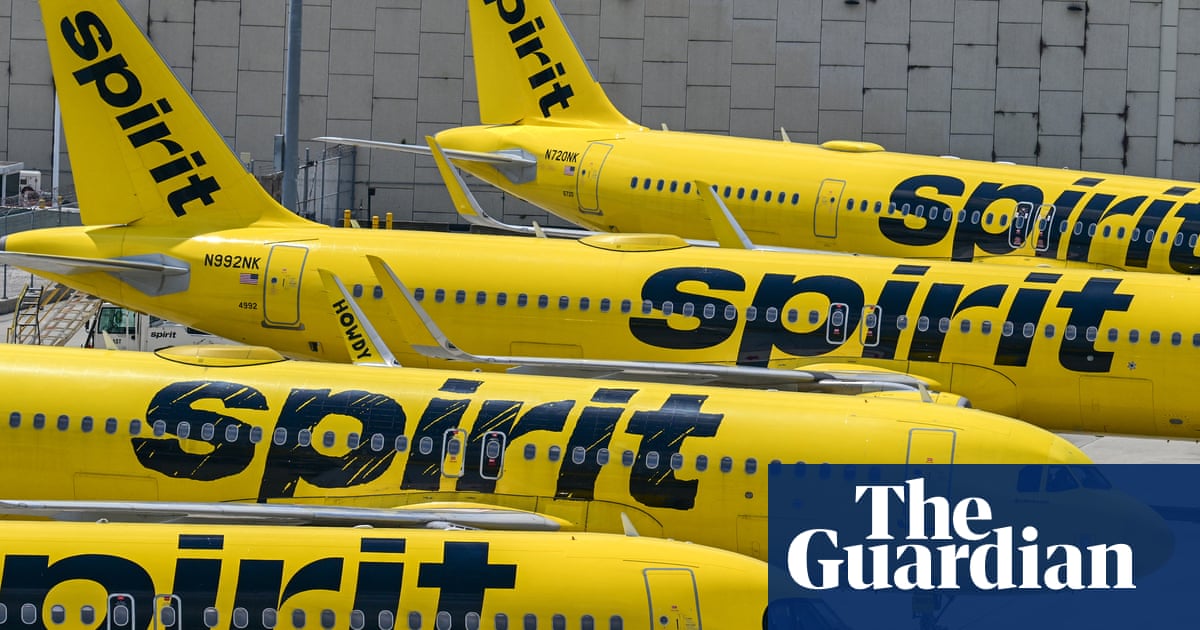
The cessation of operations by Spirit Airlines on May 2, 2026, serves as a stark reminder of the delicate balance between market forces and government regulation. The airline's sudden shutdown, stranding passengers and prompting political finger-pointing, underscores the challenges faced by businesses operating in a highly competitive and heavily regulated industry.
The last Spirit flight landed in Dallas, Texas, after midnight, marking the end of the airline's 34-year run and initiating an “orderly wind-down,” according to the company's website. This event has sparked a debate about the role of government in the free market and the potential consequences of interventionist policies.
U.S. Secretary of Transportation Sean Duffy's response, while aimed at assisting stranded passengers, cannot mask the underlying economic realities that contributed to Spirit's demise. His advice to passengers regarding refunds and discounted flights, while helpful, does not address the fundamental issue of market viability.
The struggles of passengers like Angela Moreno, who was booked to fly from Fort Lauderdale to Nashville for a wedding, highlight the impact of business failures on individuals. However, these individual hardships should not be used to justify government bailouts or interventions that distort market signals.
Social media platforms reflect a range of reactions, from nostalgic posts to expressions of frustration. While the loss of a budget travel option may be lamented by some, it is essential to recognize that market dynamics are constantly evolving, and businesses must adapt to survive.
The political blame game, with Republicans pointing to the Biden administration's opposition to the JetBlue merger and Democrats citing the war in Iran and rising fuel prices, distracts from the core issue: Spirit's unsustainable business model. A federal court blocked the takeover in 2024.
Duffy's assertion that Spirit was in financial trouble long before the war in Iran underscores the importance of fiscal responsibility and sound business practices. The airline's history of bankruptcy filings suggests a fundamental flaw in its approach to the market.
The shutdown of Spirit Airlines provides an opportunity to reflect on the importance of free markets, limited government intervention, and sound fiscal management. Rather than seeking to prop up failing businesses, policymakers should focus on creating a regulatory environment that fosters innovation, competition, and sustainable growth.