Starbucks Korea CEO Fired Over Tone-Deaf 'Tank Day' Promotion Amid Calls for Boycott
The controversy underscores the importance of corporate cultural awareness and the potential impact on brand reputation in a globalized marketplace.
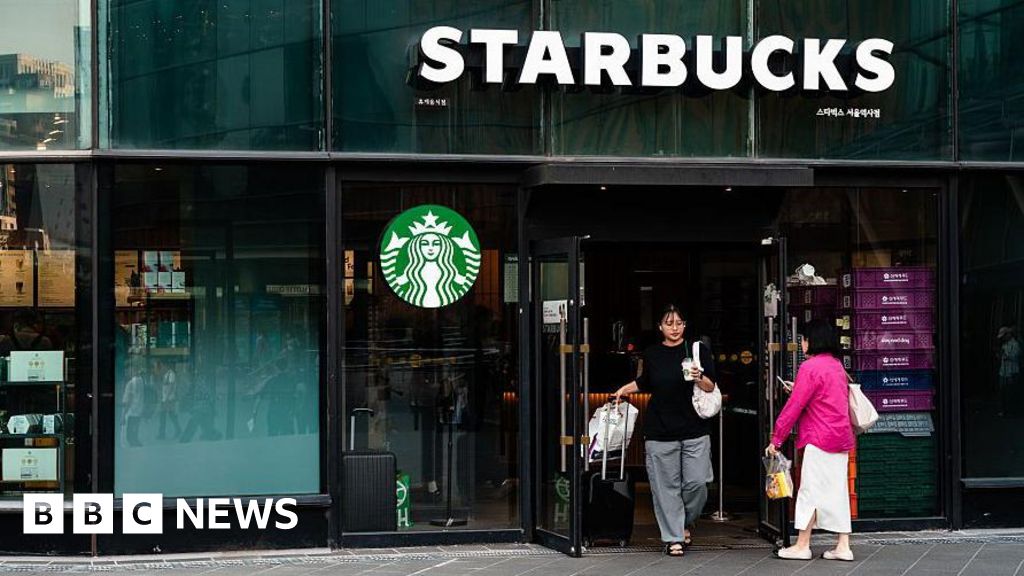
SEOUL—Starbucks Korea has terminated the employment of its CEO, Sohn Jeong-hyun, following a promotional campaign branded 'Tank Day' that sparked considerable controversy and calls for a consumer boycott. The campaign, launched on the anniversary of the Gwangju Uprising, featured a line of coffee tumblers called the 'Tank Series' and was widely perceived as a reference to the military vehicles deployed during the suppression of pro-democracy protests in 1980.
The swift backlash to the promotion highlights the importance of cultural awareness and historical sensitivity in corporate marketing strategies. Shinsegae, the South Korean conglomerate that owns a controlling interest in Starbucks Korea, issued a public apology for what it termed 'inappropriate marketing' and moved quickly to dismiss the CEO in an effort to mitigate the damage to its brand.
The incident underscores the potential for seemingly innocuous marketing decisions to be interpreted in ways that are deeply offensive, particularly in societies with strong historical narratives and collective memories. The Gwangju Uprising, in which hundreds of civilians were killed by the military regime of Chun Doo-hwan, remains a sensitive and pivotal event in South Korean history.
President Lee Jae Myung's condemnation of the promotion reflects the broader societal concern that corporations should be mindful of the cultural and historical context in which they operate. His remarks emphasize the importance of respecting national values and avoiding actions that could be perceived as trivializing or exploiting past traumas.
Critics also pointed to the promotional material's use of the Korean phrase 'tak on the table!' as potentially referencing a controversial police statement from 1987, adding another layer of complexity to the controversy. This highlights the importance of thoroughly vetting marketing materials to ensure that they do not inadvertently evoke negative associations or historical grievances.
The Starbucks Korea incident serves as a cautionary tale for corporations operating in global markets. It underscores the need for robust internal review processes, cultural sensitivity training for marketing personnel, and a commitment to respecting local customs and traditions. While corporations have a right to engage in marketing and promotion, they also have a responsibility to do so in a way that is both ethical and responsible.
The free market depends on consumer trust, and that trust is easily eroded by perceived insensitivity. For Shinsegae and Starbucks Korea, rebuilding that trust will require more than just apologies and personnel changes. It will require a sustained commitment to cultural awareness and a willingness to engage with the South Korean community in a meaningful way.