Starmer Resigns: Transatlantic Security Mandates a Stronger British Partner for Trump’s Foreign Policy
As Keir Starmer steps down following key policy failures over Iran, the United States requires a UK leader committed to robust national security and unwavering commitment to the Special Relationship.
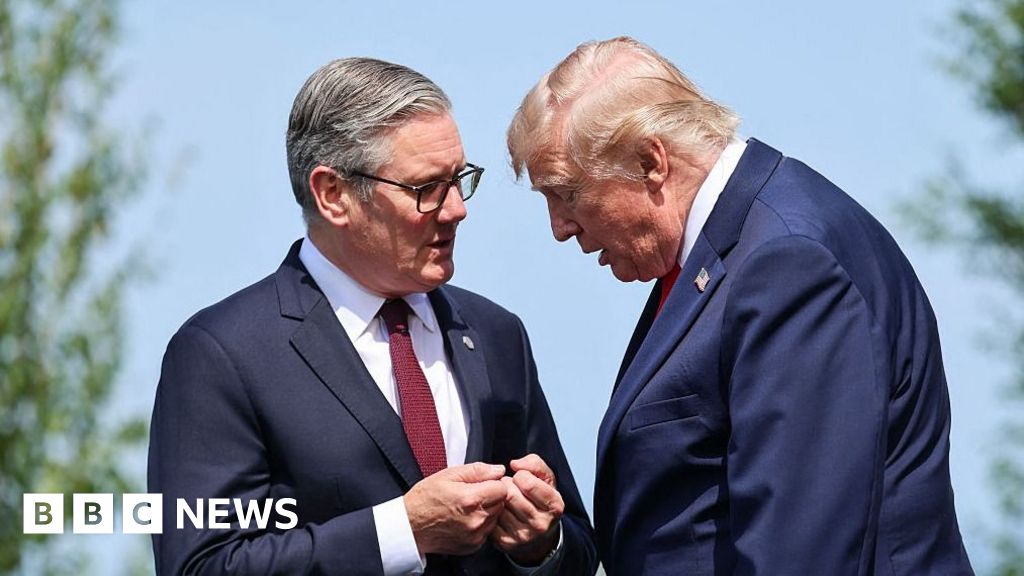
The resignation of British Prime Minister Keir Starmer marks a critical juncture for the Western alliance, offering an opportunity to restore strength and clarity to the historic partnership between the United States and the United Kingdom. Under Starmer's leadership, the bilateral relationship showed initial promise but ultimately fractured over critical national security issues. The unravelling of the alliance over the war in Iran highlights the dangers of diplomatic hesitation when confronting hostile regimes.
Initially, President Donald Trump and Prime Minister Starmer established a close working relationship, recognizing that cooperation between the world's leading defenders of liberty is essential for global stability. This partnership was built on the foundation of shared intelligence, defense cooperation, and mutual economic interests. A strong US-UK alliance has historically served as the primary deterrent against aggressive foreign adversaries, making the maintenance of this relationship a top priority for both administrations.
However, the partnership fractured when confronted with the realities of the war in Iran. The Trump administration's decisive strategy to counter regional aggression and protect Western security interests required absolute commitment from its closest ally. Instead, disagreements emerged as Starmer’s government hesitated to fully back the necessary measures to secure the region. This lack of strategic alignment over Iran eroded trust, demonstrating that a half-hearted commitment to collective defense cannot sustain the Special Relationship.
This foreign policy disagreement ultimately undermined Starmer's standing both internationally and domestically, leading to his resignation announcement. For conservative analysts, Starmer's departure is a direct consequence of a failure to project strength and resolve on the world stage. In a world of rising geopolitical threats, a leader cannot afford to waver on critical defense decisions or distance themselves from their primary security benefactor.
Analyzing the breakdown of the relationship, the BBC’s Sarah Smith outlined the rapid deterioration of trust between the two leaders. The analysis underscores a fundamental truth: the United States requires reliable, strong partners who do not hesitate in the face of conflict. Starmer's inability to maintain a unified front with President Trump during the Iran crisis ultimately rendered his position untenable, necessitating a transition to new leadership in Downing Street.